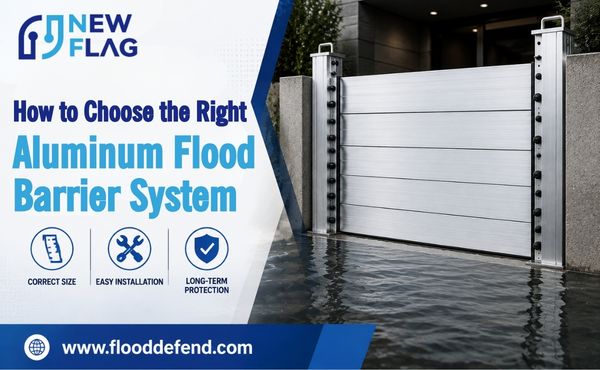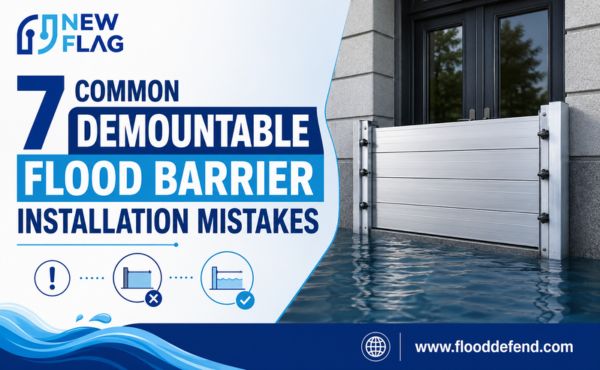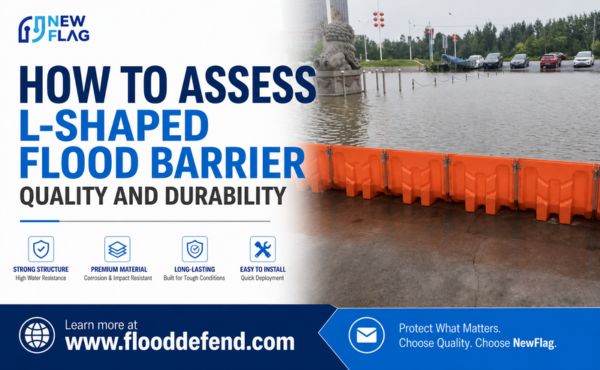
Hospitals must stay open during floods to save lives and deliver emergency care. Floods threaten hospital operations by putting generators and electrical systems at risk, especially during hurricane season. Flood barriers act as a vital line of defense, reducing the need for evacuation scenarios and helping hospitals maintain essential services.
Hospitals’ Flood Risk
Unique Challenges for Healthcare Facilities
Healthcare facilities face a high flood risk due to their locations and building designs. Many healthcare facilities sit in low-lying areas or near rivers, which increases their flood risk. Some older healthcare facilities have basements that house important systems, making them more vulnerable to water damage.
Flood risk can disrupt daily operations in healthcare facilities. Staff may have trouble reaching the building, and patients may need to be moved. Flood risk also makes it harder for emergency vehicles to access healthcare facilities during a crisis.
Note: Flood risk is not just about water entering a building. It also includes the danger of losing access to supplies, staff, and emergency services.
Impact on Critical Infrastructure
Flood risk threatens the core systems that keep hospitals running. Electrical panels, backup generators, and medical equipment often sit in areas at high flood risk. When water enters these spaces, it can cause power outages and equipment failures.
Hospitals depend on clean water, working elevators, and safe patient rooms. Flood risk can damage plumbing and HVAC systems, leading to unsafe conditions. In some cases, healthcare facilities must close parts of their buildings or even evacuate patients because of flood risk.
A table below shows how flood risk can affect different parts of healthcare facilities:
| Area Affected | Impact of Flood Risk |
|---|---|
| Electrical Systems | Power loss, equipment failure |
| Patient Care Areas | Unsafe conditions, evacuation |
| Supply Storage | Loss of medicines, supplies |
| Access Routes | Blocked roads, delayed care |
Hospitals and healthcare facilities must understand their flood risk to protect patients and staff. Planning for flood risk helps healthcare facilities stay open and provide care during emergencies.
Flood Barriers for Hospital Protection
Safeguarding Equipment and Generators
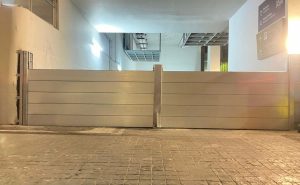
Flood barriers play a key role in keeping water out of sensitive hospital areas. These barriers can be set up quickly around doors, windows, and loading docks. They help prevent water from reaching basements and rooms that hold electrical panels or backup generators.
Many hospitals place important equipment in lower levels. Flood barriers protect these spaces from water damage. This protection keeps power systems and medical devices working during storms.
Tip: Deployable flood barriers can be stored on-site and set up by staff before a flood event. This quick action can save thousands of dollars in repairs and protect critical hospital functions.
A table below shows how flood barriers protect essential hospital areas:
| Area Protected | Benefit of Flood Barriers |
|---|---|
| Basements | Prevents water damage to systems |
| Generator Rooms | Keeps backup power available |
| Medical Equipment | Reduces risk of equipment failure |
| Storage Areas | Protects supplies and medicines |
Maintaining Patient Care During Floods
Flood barriers help hospitals stay open and provide care during emergencies. When water cannot enter the building, staff can focus on treating patients instead of moving equipment or evacuating. This support is vital for patient safety and for keeping emergency rooms running.
Flood barriers also help maintain clean and safe conditions inside the hospital. They stop contaminated water from reaching patient care areas. This reduces the risk of infection and keeps patient safety as the top priority.
Note: Flood barriers are a proactive step in emergency preparedness. They help hospitals respond quickly and keep services available to the community.
Flood barriers support uninterrupted operations during floods. They allow hospitals to continue emergency response without major delays. This protection is essential for both patient safety and community health.
Consequences Without Flood Protection
Service Disruptions and Recovery Challenges
Floods can cause major problems for hospitals. When water enters critical areas, power systems and medical devices may stop working. This can lead to canceled surgeries and delayed treatments.
Staff may have trouble reaching patients during a disaster. Ambulances might get stuck or blocked by high water. Supplies like medicine and food can run out quickly.
Recovery after a flood takes time and money. Hospitals may need to replace damaged equipment and clean up contaminated areas. Some facilities may close for days or weeks, which puts extra pressure on nearby healthcare centers.
Without flood protection, hospitals face longer recovery times and higher costs. Patient safety and care quality can suffer during and after a disaster.
| Problem | Impact on Hospitals |
|---|---|
| Power Outages | Interrupts patient care |
| Equipment Damage | Delays in treatment |
| Blocked Access Routes | Slower emergency response |
| Contaminated Water | Increases infection risk |
Flood Barriers in Emergency Preparedness
Integration with Emergency Plans
Flood barriers are a key part of emergency preparedness for hospitals. They work with other safety measures to create strong flood protection. Hospitals use risk assessment and planning to find weak spots in their buildings.
Flood barriers can be set up before a hurricane or heavy rain. Staff receive training on how to deploy these barriers quickly. This training is part of the hospital’s emergency preparedness plan.
A good emergency plan includes steps for flood protection. It lists where to place barriers and who is responsible for each area. The plan also covers how to check barriers for leaks during a storm.
Tip: Practice drills help staff learn how to use flood barriers. These drills make sure everyone knows what to do during a hurricane or flood.
Flood barriers help reduce the need for evacuation. They keep water out of patient care areas and protect important equipment. This means hospitals can keep treating patients even when a hurricane hits.
Flood protection also helps keep access routes open. Ambulances and rescue teams can reach the hospital without delay. This support is vital during an evacuation or emergency response.
Hospitals use risk assessment and planning to decide where to place flood barriers. They look at past hurricane events and flood maps. This information helps them protect the most important parts of the building.
A table below shows how flood barriers fit into emergency preparedness:
| Emergency Step | Role of Flood Barriers |
|---|---|
| Risk Assessment | Identify areas needing protection |
| Staff Training | Teach quick deployment |
| Practice Drills | Test barrier setup and response |
| Evacuation Planning | Reduce need for patient movement |
| Supply Protection | Keep medicines and food safe |
Flood barriers are not just for hurricanes. They also protect against flash floods and rising rivers. This makes them a flexible tool for flood protection in many situations.
Meeting Compliance and Safety Standards
Flood protection is important for meeting safety rules and laws. Many health agencies require hospitals to have emergency preparedness plans. These plans must include steps for flood protection.
Flood barriers help hospitals meet these rules. They show that the hospital takes flood protection seriously. This can help during inspections by safety officials.
Some areas have strict rules for hurricane and flood safety. Hospitals must prove they can protect patients and staff during a disaster. Flood barriers are a clear way to show compliance with these standards.
Note: Meeting safety standards can also lower insurance costs. Insurance companies may offer better rates to hospitals with strong flood protection.
Flood barriers support evacuation plans by keeping exits and hallways dry. This makes it safer to move patients if an evacuation is needed. It also helps staff reach emergency exits during a hurricane or flood.
A checklist for compliance might include:
- Flood protection barriers for all ground-level doors
- Regular checks and maintenance of barriers
- Staff training on barrier deployment
- Clear evacuation routes protected by barriers
- Records of practice drills and inspections
Flood protection is a key part of emergency preparedness. It helps hospitals stay open, protect lives, and meet all safety standards. Flood barriers are an investment in safety, compliance, and community trust.
Additional Benefits of Flood Barriers
Cost Savings and Asset Protection
Flood barriers help protect valuable hospital assets from water damage. Medical equipment, electrical systems, and supplies can cost millions to replace. Preventing floodwater from entering these areas reduces repair bills and insurance claims.
A table below shows how flood barriers can save money:
| Area Protected | Potential Savings |
|---|---|
| Medical Equipment | Lower replacement costs |
| Electrical Systems | Fewer repairs needed |
| Supplies Storage | Less waste and spoilage |
| Building Structure | Reduced restoration fees |
Flood barriers also help hospitals avoid long closures. Quick recovery means staff can return to work sooner and patients can receive care without delay.
Tip: Investing in flood barriers now can prevent much larger expenses after a disaster.
Enhancing Reputation and Community Trust
Hospitals that stay open during floods build trust with their communities. People rely on these facilities for care during emergencies. A strong emergency plan shows that the hospital puts safety first.
Flood barriers show that the hospital is prepared for disasters. This commitment can improve the hospital’s reputation and attract skilled staff. Community members feel safer knowing their hospital can handle a flood.
Hospitals that protect their assets and keep services running earn respect. This trust can lead to stronger community support and better patient outcomes.
FAQ
Why are flood barriers essential for hospitals during emergencies?
Hospitals are critical infrastructure that must remain operational during disasters. Flooding can damage essential medical equipment (often located in basements or ground floors), cause power outages, disrupt elevators, and force evacuations. Flood barriers protect against storm surges and rising waters, ensuring continuous patient care and preventing loss of life.
What types of flood barriers are suitable for healthcare facilities?
Options include deployable/removable barriers (quick to install before a storm), passive automatic systems (that activate with rising water), flood walls, gates, and shields. These are designed to withstand high water pressure, strong winds, and are often customized for hospital entryways and low-lying areas.
Is installing flood barriers cost-effective for hospitals?
Yes—preventing equipment damage, downtime, and evacuation costs far outweighs the investment. Systems are reusable, tested for extreme conditions, and help avoid millions in potential losses while safeguarding lives.