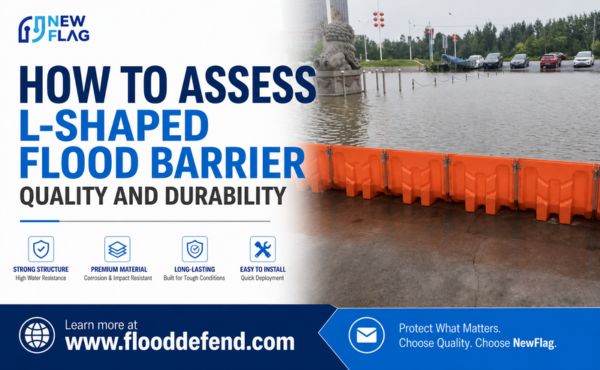
Flood Barriers are an essential flood protection solution designed to reduce water intrusion and minimize property damage during flood events. They are widely used in residential, commercial, and industrial settings due to their effectiveness and adaptability. However, like any flood defense system, they offer both advantages and limitations. This article explains the key benefits and drawbacks of flood barriers to help you make an informed decision.
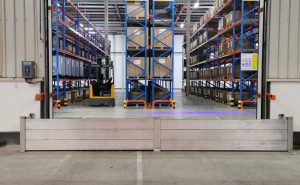
Flood Barriers Overview
What Are Flood Barriers
Flood barriers are structures designed to stop or redirect water during a flood. Their main purpose is to provide protection for homes, businesses, and public spaces. These barriers help reduce the impact of rising water and keep property safe.
Types of Flood Barriers
There are several types of barriers used for flood protection. Residential flood barriers are made for homes and small buildings. Portable flood barriers can be moved and set up quickly. Pneumatic barriers use air to create a seal against water. Passive barriers work automatically when water levels rise.
| Type | Description |
|---|---|
| Residential | Designed for homes |
| Portable | Easy to move and install |
| Pneumatic | Uses air for sealing |
| Passive | Activates with rising water |
Some barriers save space and blend into urban areas. They do not change the look of a neighborhood. Many flood protection barriers are designed to be unobtrusive.
How Flood Barriers Provide Protection
Flood barriers block water from entering buildings and streets. They create a physical wall that keeps floodwater away. This helps prevent damage and lowers repair costs.
Barriers can be placed at doors, windows, or around entire properties. They work best when installed before a flood starts. Proper use of a barrier can protect valuable items and reduce stress for homeowners.
Advantages of Flood Barriers
Effective Flood Protection
Flood barriers offer strong defense against floodwater. Many residential flood barriers block water from entering homes and keep families safe. These barriers help prevent damage and provide better protection during storms.
Flood protection barriers can be placed at doors, windows, or around a property. They create a physical wall that stops water from reaching valuable items. Homeowners rely on these barriers for effective flood response.
Space-Saving and Minimal Visual Impact
Many flood barriers are designed to save space. Portable flood barriers can be stored easily and do not take up much room. Some barriers blend into the surroundings and do not change the look of a home.
Residential flood barriers often have a minimal visual impact. They protect your home without making major changes to the building. This helps keep neighborhoods attractive while offering home flood protection.
Quick Installation (Portable and Pneumatic Barriers)
Portable flood barriers allow rapid deployment before a flood. Homeowners can set up these barriers quickly and respond to rising water. Pneumatic barriers use air and can be installed fast, making them ideal for emergencies.
Temporary flood barriers are easy to move and install. Portable options help people act fast and protect their property. Quick installation means less stress and more time to prepare for a flood.
Flexible Solutions for Homes
Flood barriers offer flexible solutions for different homes. Portable flood barriers fit many types of doors and windows. Homeowners can choose barriers based on their needs and risk level.
Residential flood barriers work for single-family homes, apartments, and small buildings. Portable options adapt to changing conditions and provide reliable flood response. Flexibility makes it easier to protect homes in various situations.
Reduces Property Damage and Stress
Flood barriers help reduce property damage during storms. They keep water out and lower repair costs for homeowners. Using portable flood barriers can also decrease stress and worry.
Many people feel safer knowing they have flood protection barriers ready. These barriers give peace of mind and help families stay calm during a flood. Preventing damage means less time and money spent on repairs.
Reusable and Durable Options
Portable flood barriers are often reusable and durable. Homeowners can use them for multiple floods without buying new barriers. Many residential flood barriers are made from strong materials that last for years.
Durable barriers provide long-term protection and save money. Reusable options are cost-effective and help people prepare for future floods. Investing in quality barriers means better protection for your home.
| Benefit | Description |
|---|---|
| Effective protection | Blocks water and prevents damage |
| Space-saving | Easy to store and minimal impact on appearance |
| Quick installation | Rapid deployment for emergencies |
| Flexible solutions | Fits many home types and needs |
| Reduces stress | Offers peace of mind during floods |
| Reusable and durable | Long-lasting and cost-effective |
Disadvantages of Flood Barriers
Height Limits and Effectiveness
Flood barriers have height limits. Most barriers cannot stop very deep water during severe flood events. Stacking barriers can help, but this method may not work well in extreme conditions.
Some barriers only protect against low to moderate water levels. When water rises above the barrier, it can flow into the protected area. This can lead to property damage even with a flood protection strategy in place.
Performance on Uneven Ground
Barriers work best on flat, even surfaces. Uneven ground can create gaps under the barrier. Water may seep through these gaps and reduce the effectiveness of flood control solutions.
Temporary flood barriers may shift or tip if placed on rough terrain. This can allow water to reach your property. Homeowners must check the ground before installation to avoid flood damage.
Maintenance After Use
Flood barriers need cleaning and inspection after each use. Mud, debris, and water can cause wear and tear. Regular maintenance helps barriers last longer and stay reliable.
Some barriers require drying and careful storage. Skipping these steps can lead to mold or damage. Proper upkeep is important for long-term protection.
Initial Cost and Investment
Buying flood barriers can be expensive. The initial cost may be high for some homeowners. Quality barriers and professional installation add to the investment.
Some people may find it hard to afford these flood control solutions. However, the cost of barriers can be less than the cost of repairing property damage after a flood.
| Cost Factor | Impact on Homeowners |
|---|---|
| Purchase price | High upfront expense |
| Installation | May need professional help |
| Maintenance | Ongoing time and effort |
Accessibility Issues (Door Barriers)
Door barriers can block entry and exit points. This can make it hard for people to leave or enter their homes during a flood. Emergency access may be limited when barriers are in place.
People with mobility challenges may find door barriers difficult to manage. It is important to plan for safe exits when using these barriers. Accessibility should be part of every flood protection plan.
Not Permanent Solutions
Many barriers are temporary and must be set up before each flood. They do not offer year-round protection. Homeowners must stay alert and ready to install barriers when needed.
Permanent barriers exist, but they may not suit every property. Temporary options require storage space and regular checks. These barriers are only one part of a complete flood protection strategy.
Choosing Residential Flood Barriers
Assessing Flood Risk
Start by understanding the flood risk for your home. Check local maps and past weather events to see if your area often faces high water. Knowing your risk helps you plan the best way to protect your home.
Selecting the Right Barrier Type
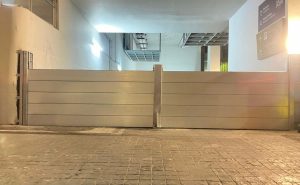
Different homes need different barriers. Portable barriers work well for homes that need quick flood response. Permanent barriers, like levees or floodwalls, offer year-round home flood protection. Some homes may use a mix of portable and permanent options to block water from doors, windows, or garages.
| Barrier Type | Best For | Key Feature |
|---|---|---|
| Portable | Quick setup, flexible use | Easy to move |
| Permanent | Long-term, high-risk areas | Always in place |
| Floodwalls/Levees | Large properties, high water | Strong, fixed defense |
Choose barriers that fit your home’s layout and the level of water you expect.
Budget and Maintenance Considerations
Think about your budget before buying barriers. Portable barriers often cost less up front and can be reused for many floods. Permanent barriers may cost more but give lasting home flood protection. Maintenance is important for both types. Clean and store portable barriers after each use. Inspect permanent barriers for damage after every flood.
Installation and Storage Needs
Plan where you will install barriers around your home. Portable barriers need space for storage when not in use. Permanent barriers stay in place and do not need storage. Make sure you can set up portable barriers quickly for fast flood response. Store them in a dry, easy-to-reach spot. Good planning helps protect your home from water and reduces stress during storms.
Conclusion
Flood Barriers provide an effective way to reduce flood damage, protect property, and improve emergency preparedness. While factors such as height limitations, maintenance requirements, and upfront costs should be considered, the right barrier can deliver reliable protection for many residential and commercial applications. By carefully assessing flood risk and selecting an appropriate solution, property owners can strengthen their flood resilience and make more informed long-term protection decisions.