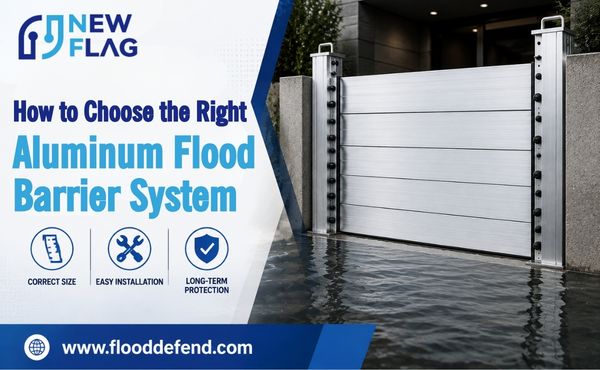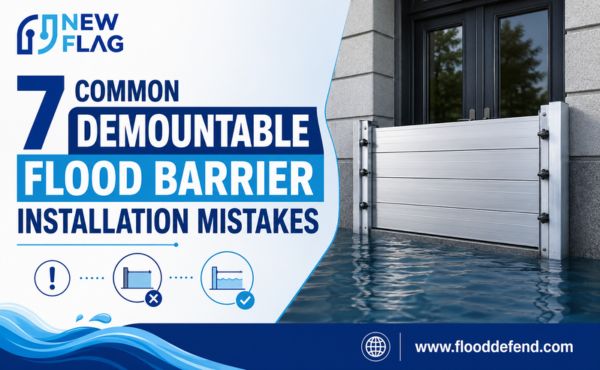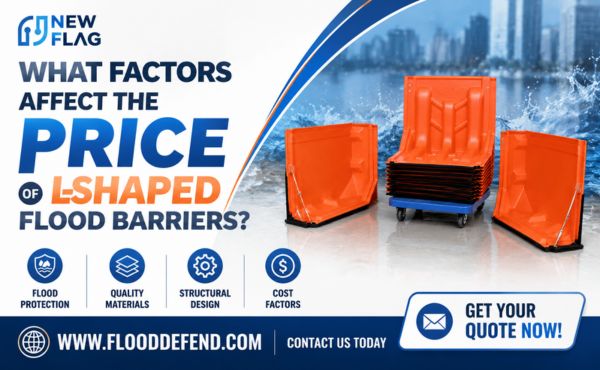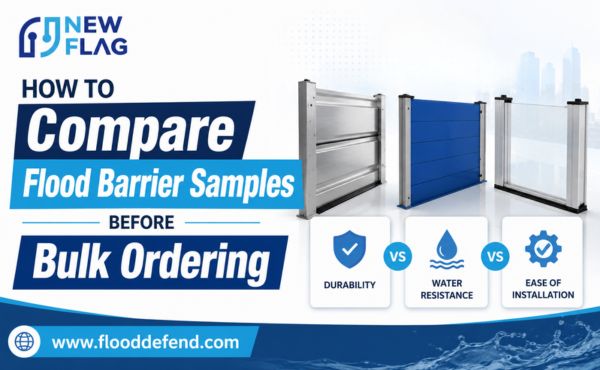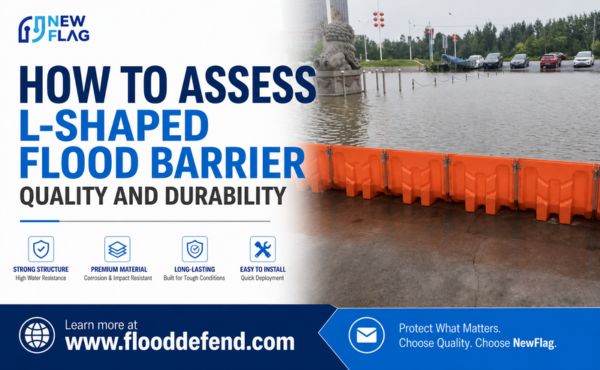
Selecting the right material for a Flood Barrier is essential for ensuring reliable protection against flooding. Different materials offer varying levels of strength, durability, and ease of installation, making the choice critical for both residential and commercial applications. This guide explores key material options and their advantages, helping you make an informed decision for long-term safety and effective water defense.
Assessing Flood Risk and Property Needs
Determining Flood Risk Level
Flood risk assessment is the first step in choosing the right flood barrier material. Check local flood maps to see if your property sits in a high-risk or low-risk area. Look for signs of past flood events, such as water stains or damaged landscaping.
Flood risk depends on rainfall, river proximity, and drainage systems. Properties near rivers or in low-lying zones face higher flood threats. If your area has frequent storms, you need stronger flood protection.
Evaluating Property Type
Property type affects flood protection needs. Homes, businesses, and industrial sites require different flood solutions.
- Residential properties often need barriers that are easy to install and remove.
- Commercial buildings may require permanent flood protection for entrances and loading docks.
- Industrial sites usually need heavy-duty flood barriers for large areas.
Consider the size and layout of your property. Large properties may need multiple flood barriers. Small homes can use portable flood protection.
Setting Budget and Priorities
Budget plays a key role in flood protection decisions. Make a list of priorities, such as durability, ease of installation, and maintenance costs.
| Priority | Impact on Flood Protection |
|---|---|
| Durability | Long-lasting flood defense |
| Installation Ease | Quick flood response |
| Maintenance | Lower long-term flood costs |
Choose flood barrier materials that fit your budget and provide effective flood protection. Remember, investing in quality flood protection saves money in the long run. Flood barriers protect your property and give peace of mind during flood events.
Flood Barrier Material Options
Polyethylene and PVC: Lightweight Choices
Polyethylene and PVC are popular flood barrier material options for homes and small businesses. These materials weigh less than metal or concrete, making them easy to move and install. Many temporary flood wall systems use polyethylene or PVC because they can be set up quickly.
Pros:
- Lightweight for fast deployment
- Simple to store and transport
- Resistant to water and many chemicals
Cons:
- Lower strength compared to metal or concrete
- Can degrade under strong sunlight over time
- May not suit high-risk flood zones
Concrete and Steel: Maximum Strength
Concrete and steel offer the highest strength for flood wall system installations. These materials create permanent flood barrier solutions for critical infrastructure and large buildings. Concrete and steel resist heavy water pressure and debris impact.
Pros:
- Maximum strength for severe flood events
- Long-lasting flood protection
- Withstand high water pressure and debris
Cons:
- Heavy and difficult to move
- Expensive to install and maintain
- Require professional installation
A concrete or steel flood wall system suits high-risk areas and properties that need permanent flood protection barriers.
Stainless Steel: Corrosion Resistance
Stainless steel stands out as a flood barrier material for its corrosion resistance. It does not rust easily, even with frequent water exposure. Many flood wall systems use stainless steel for gates, panels, and frames.
Pros:
- Excellent resistance to rust and corrosion
- Strong and durable for long-term flood protection
- Suitable for coastal or industrial sites
Cons:
- Higher cost than other metals
- Heavier than plastic options
- May require skilled installation
Stainless steel flood barrier material works well in areas with saltwater or chemical exposure. It provides reliable flood wall solutions for demanding environments.
Aluminum: Rapid Deployment
Aluminum is a lightweight metal used in many modern flood wall system designs. It combines strength with easy handling, making it ideal for rapid deployment during flood emergencies.
Pros:
- Lightweight for quick setup and removal
- Good strength for most flood events
- Resists rust better than regular steel
Cons:
- More expensive than plastic materials
- Can dent or bend under heavy impact
- May not suit permanent flood wall systems
Aluminum flood barrier material helps protect homes and businesses that need fast flood protection. It is a smart choice for temporary or seasonal flood risks.
Polypropylene: Easy Handling
Polypropylene is a type of plastic used in portable flood barrier material products. It is known for its flexibility and ease of use. Many homeowners choose polypropylene for quick flood wall system installation.
Pros:
- Lightweight and easy to handle
- Resistant to water and many chemicals
- Affordable for most budgets
Cons:
- Less durable than metal or concrete
- Can break down under UV light
- Not ideal for high-risk flood zones
Polypropylene flood protection works best for small properties and temporary flood wall systems.
Durable Plastic: Economical Option
Durable plastic flood barrier material offers a balance between cost and performance. These barriers often come in modular panels or blocks. They provide a simple way to build a flood wall system without heavy equipment.
| Feature | Advantage | Limitation |
|---|---|---|
| Cost | Low upfront expense | May need replacement sooner |
| Mobility | Easy to move and store | Less stable in deep water |
| Installation | Quick for most users | Not for permanent use |
Durable plastic flood protection barriers suit low to moderate flood risk areas. They offer an economical solution for homeowners and small businesses.
Key Factors for Choosing Flood Barrier Material
Durability and Longevity
Durability is important for any flood barrier. Some materials last longer than others. Concrete and steel offer strong flood protection for many years. Polyethylene and polypropylene work well for short-term flood events. Stainless steel resists rust and lasts in harsh conditions. Always check how long your flood wall system will protect your property.
Installation and Removal
Easy installation can save time during a flood emergency. Lightweight materials like aluminum and durable plastic allow for quick setup. Heavy flood wall systems made from concrete or steel need special tools and skilled workers. Choose a flood barrier that matches your ability to install and remove it. Fast installation means better flood protection when time is short.
Maintenance Needs
Flood protection barriers need regular checks. Some materials, like stainless steel, need less care. Others, such as PVC or polypropylene, may need replacement after several flood events. Clean your flood wall system after each use. Look for cracks, rust, or other damage. Good maintenance keeps your flood protection strong.
Cost Considerations
Cost affects your choice of flood barrier material. Concrete and steel cost more but give long-term flood wall solutions. Polyethylene and durable plastic offer lower prices for temporary flood protection. Think about both the upfront price and future maintenance costs. A higher price may mean better flood protection over time.
Aesthetic Impact
Some flood barriers change how your property looks. Permanent flood wall systems may block views or change building style. Portable flood protection barriers can be stored out of sight. Choose a flood barrier that fits your property’s appearance. Good design can help your flood protection blend in with your home or business.
Matching Flood Barrier Material to Scenarios
Residential Properties
Homeowners often need a flood barrier that is easy to install and remove. Lightweight materials like polyethylene, PVC, or polypropylene work well for most houses. These options allow quick response when a flood warning is issued.
Commercial Properties
Businesses may require stronger flood protection. Concrete, steel, or stainless steel barriers provide long-lasting defense for commercial buildings. These materials can handle repeated flood events and protect valuable inventory.
A table can help compare options:
| Material | Best For | Notes |
|---|---|---|
| Concrete/Steel | Permanent protection | High cost, high strength |
| Aluminum | Quick deployment | Good for entrances |
| PVC/Polyethylene | Temporary needs | Easy to move and store |
Temporary vs Permanent Barriers
Temporary flood barriers are ideal for short-term risks or seasonal flooding. They include sandbags, plastic panels, and modular blocks. Permanent barriers, such as concrete walls or steel gates, suit properties facing frequent or severe flood threats.
High-Risk vs Low-Risk Areas
High-risk zones need strong, durable flood protection. Concrete, steel, or stainless steel barriers offer the best defense in these locations. Low-risk areas can use lighter materials like polypropylene or durable plastic for basic flood control.
Always match the flood barrier to your property’s risk level. The right choice reduces damage and keeps your property safe during a flood.
Flood Barrier Material Comparison Checklist
Performance Overview
Choosing the right material for a flood barrier depends on several factors. Each material offers unique strengths and weaknesses. The table below compares common options based on key performance features.
| Material | Strength | Durability | Ease of Use | Cost | Best For |
|---|---|---|---|---|---|
| Polyethylene | Moderate | Moderate | High | Low | Temporary flood events |
| PVC | Moderate | Moderate | High | Low | Short-term flood needs |
| Concrete | High | High | Low | High | Permanent flood walls |
| Steel | High | High | Low | High | Critical flood defense |
| Stainless Steel | High | Very High | Medium | Very High | Coastal flood zones |
| Aluminum | Moderate | High | High | Medium | Fast flood response |
| Polypropylene | Low | Moderate | High | Low | Portable flood barriers |
| Durable Plastic | Low | Moderate | High | Low | Basic flood protection |
Quick Selection Checklist
Use this checklist to guide your flood barrier material choice:
- Assess your flood risk level.
- Identify your property type and size.
- Decide if you need temporary or permanent flood protection.
- Set your budget for flood defense.
- Compare material strength and durability.
- Consider how quickly you can install the barrier.
- Think about maintenance and storage needs.
- Check if the barrier fits your property’s appearance.
When to Consult a Flood Expert
Signs You Need Professional Advice
Some situations require help from a flood expert. If you feel unsure about the best barrier material for your property, it is time to seek guidance. Large or complex buildings often need a professional assessment.
You may also need help if your property has unique features, such as basements or underground parking. Signs of past water damage, like mold or foundation cracks, show that you need a specialist. If you plan to install permanent barriers, a flood expert can ensure proper design and installation.
A flood expert can also help when local rules or building codes are hard to understand. If you want to improve your flood control plan, a specialist can review your current setup and suggest upgrades.
Finding Qualified Specialists
Finding the right flood expert is important for your safety. Look for professionals with experience in flood protection and engineering. Many experts hold certifications from national or regional safety organizations.
You can start by asking neighbors or local officials for recommendations. Online directories and community boards often list qualified specialists. Always check reviews and ask for references before hiring anyone.
A good flood expert will inspect your property and explain your options. They should provide a clear plan and answer your questions. Choose someone who communicates well and understands your needs.
A qualified specialist can help you protect your property and give you peace of mind during a flood event.
Conclusion
Careful flood wall selection protects your property and saves money. Start by understanding your flood risk, property needs, and budget. Compare different flood protection solutions and use the checklist to guide your decision. Consult an expert if you feel unsure. The right material for flood barriers depends on your unique situation.
Take Action to Protect Your Property Today
Don’t wait for the next storm to think about flood protection. The right Flood Barrier material can mean the difference between a dry home and a costly disaster. Whether you need a lightweight temporary solution or a permanent heavy-duty defense, the time to act is now. before floodwaters rise.