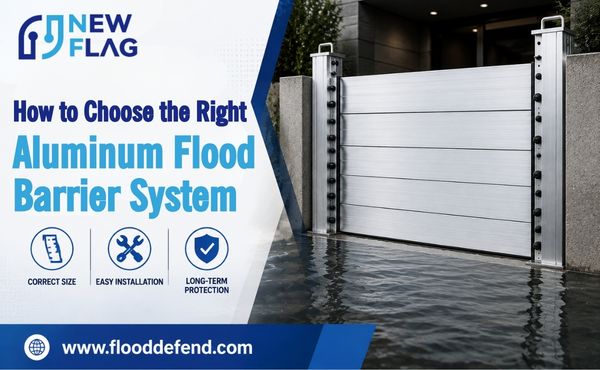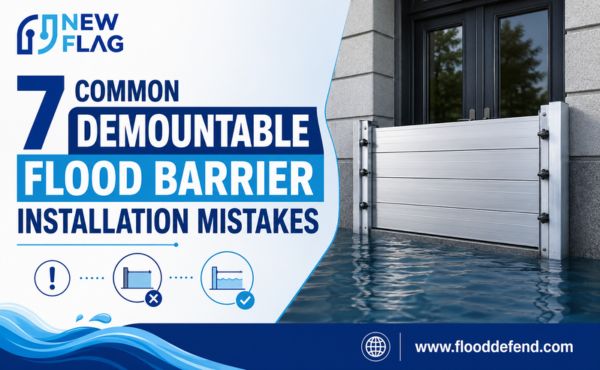
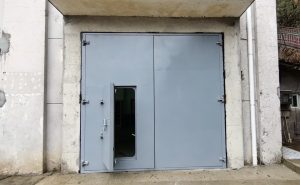
Steel flood door installation helps protect homes from water damage during severe weather. Proper installation increases your safety and strengthens flood protection. Always start with a clean work area and consider professional help for the best results.
Preparation and Safety for Flood Door Installation
Assess Flood Risk and Door Location
Flood protection starts with understanding the risks in your area. Check local maps and weather reports to see how often flood events occur. Choose a door location that faces the highest risk from storm water or rising flood levels.
Safety Gear and Precautions
Safety is important during installation. Wear gloves, safety goggles, and sturdy boots to protect yourself. Use a dust mask if you work with old materials or concrete.
- Always check for electrical wires or plumbing before drilling.
- Keep a first aid kit nearby in case of minor injuries.
- Make sure you have help if the flood door is heavy.
Clean Work Area
A clean work area helps ensure a strong seal and easy installation. Remove dirt, debris, and old caulking from the door frame. Sweep the floor and wipe down surfaces to prevent gaps that could let flood water in.
| Step | Action |
|---|---|
| Remove obstacles | Clear tools and materials |
| Clean surfaces | Wipe down door frame and floor |
| Inspect for damage | Look for cracks or holes |
Flood doors work best when installed in a clean, dry space. This prevents leaks and improves protection during a storm. Careful preparation reduces mistakes and keeps your home safe from flood damage.
Flood Door Installation Materials and Tools
Required Materials
Proper materials are essential for a secure flood door installation. Most steel flood doors come with a main door panel, but you may need extra parts for a watertight fit. Here is a list of common materials:
- Steel flood door panel
- Mounting anchors and screws
- Waterproof seals or gaskets
- Permanent hardware (if required)
- Flood panels or flood planks for added protection
- Aluminum flood plank for lightweight installations
- Sealant or waterproof caulk
Essential Tools
Having the right tools makes installation easier and safer. Gather these tools before you start:
| Tool | Purpose |
|---|---|
| Drill | For making holes in the frame |
| Screwdriver | For tightening screws |
| Level | To check door alignment |
| Tape measure | For accurate measurements |
| Utility knife | For trimming seals or gaskets |
| Caulking gun | For applying sealant |
| Wrench or socket set | For bolts and anchors |
A level and tape measure help ensure the panel fits tightly. Use a caulking gun to apply sealant around the edges.
Optional Items
Some installations may need extra items for better results. These include:
- Shims for adjusting the door frame
- Backer rod for filling large gaps
- Replacement threshold if the old one is damaged
- Protective gloves for handling sharp edges
Flood Door Installation Steps
Prep Door Frame and Threshold
Start flood door installation by preparing the door frame and threshold. Clean the area to remove dust and debris. Inspect the frame for cracks or holes that could affect the seal. Fill any gaps with sealant to create a smooth surface. Measure the opening to confirm the flood door fits properly. Check if the threshold needs replacement for a stronger barrier.
Remove Old Door (If Needed)
If an old door blocks the opening, remove it before installing the new flood door. Use a screwdriver or drill to take out hinges and fasteners. Lift the old door away from the frame. Clear leftover hardware and clean the area again. Removing the old door ensures the flood shields fit tightly and the seal remains strong.
Fit and Position Flood Door
Place the steel flood door in the opening. Align the door with the frame for a snug fit. Use a level to check the door’s position. Adjust the door so it sits flush against the threshold. Some flood doors use inside mounting, while others use outside mounting. Make sure the opening barrier covers the entire entryway.
Secure with Anchors and Fasteners
Attach the flood door using anchors and fasteners. Drill holes in the frame for mounting hardware. Insert screws or bolts to hold the door in place. Tighten each fastener to prevent movement. Outside mounting may need extra brackets for stability. Inside mounting relies on posts or direct anchors.
| Mounting Type | Hardware Needed | Stability Level |
|---|---|---|
| Inside mounting | Posts, anchors | High |
| Outside mounting | Brackets, screws | High |
Flood shields must stay secure during a flood. Proper installation keeps the opening barrier strong and reliable.
Install Seals and Gaskets
Apply seals and gaskets around the flood door. Use waterproof sealant to fill gaps between the door and frame. Press gaskets into place for a tight fit. Some flood shields come with pre-installed seals. Others require manual installation for a watertight seal. Make sure every edge is covered to block water entry.
Test Alignment and Seal
Test the flood door for proper alignment and seal. Close the door and inspect all edges. Look for gaps or uneven spots. Run your hand along the seal to check for air leaks. Pour a small amount of water near the threshold to see if the watertight seal holds. Adjust the door or seals if needed.
Some opening barriers offer quick or tool-free installation. Permanent features may require extra steps for a stronger seal. Flood door installation works best when every part fits tightly and the seal remains intact.
Post-Install Checks and Maintenance
Inspect Seal and Fit
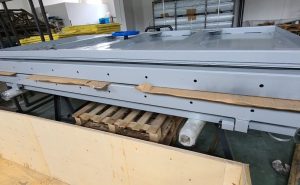
After installing the steel flood door, check the seal along every edge. Look for any gaps or uneven spots where water could enter. Press gently on the door to make sure the seal stays tight when the door is closed.
Use a flashlight to inspect the seal in low-light areas. Run your fingers along the seal to feel for cracks or loose sections. If you find any problems, adjust the door or replace the seal right away.
Test Flood Resistance
Testing the flood door helps confirm that the seal works as designed. Pour a small amount of water at the base of the door. Watch closely to see if any water seeps through the seal.
If you notice leaks, dry the area and check the seal again. Tighten the fasteners or add more sealant if needed. Repeat the test until the seal holds back all water.
| Test Step | Action |
|---|---|
| Add water | Pour near the threshold |
| Observe | Check for leaks at the seal |
| Adjust | Fix gaps or weak spots |
Testing the seal gives peace of mind before the next flood.
Maintenance Tips
Regular maintenance keeps the flood door working well. Inspect the seal every few months, especially before rainy seasons. Clean dirt and debris from the seal to prevent damage.
Replace the seal if it becomes worn or cracked. Lubricate hinges and locks to keep the door easy to use. Store extra seal material in a dry place for quick repairs.
Routine checks and care extend the life of your flood door. Proper maintenance ensures the seal stays strong and reliable.
Extra Flood Protection Tips
Waterproof Surroundings
Waterproofing the area around your steel flood door increases protection. Apply a waterproof seal to walls and floors near the door. Use a flood barrier system to block water from reaching the entryway. Water absorbing flood bags can help absorb water before it enters your home. These bags provide extra shield against rising flood levels.
Seal Gaps and Cracks
Small gaps and cracks can let flood water into your home. Inspect the door frame, walls, and floor for any openings. Fill each gap with sealant to create a strong seal. Use backer rod for larger cracks before applying sealant. Repeat this process around windows and vents for full protection.
| Area to Inspect | Recommended Action |
|---|---|
| Door frame | Apply sealant |
| Wall joints | Fill with sealant |
| Floor edges | Use sealant and backer rod |
A tight seal keeps your flood barrier system effective. Regular checks help maintain the shield and improve flood prevention measures.
Backflow Prevention
Flood water can enter through drains and pipes. Install backflow valves to stop water from coming inside. These valves create a seal that blocks flood water. Test the valves often to make sure the seal stays strong. Combine this with other flood prevention measures for better protection.
When to Call a Pro
Some flood protection tasks require expert help. Call a professional if the installation is complex or costly. A pro can check the seal and make sure your flood barrier system works correctly. They can also install advanced flood prevention technique for extra protection. If you notice leaks or weak spots in the shield, seek help right away.
Conclusion
Steel flood door installation protects homes from water damage. Each step in the process helps create a strong seal. Cleaning the area before installation removes debris that could weaken the seal. Using the right materials and tools ensures the seal fits tightly. Proper alignment of the door frame supports a continuous seal. Anchors and fasteners hold the door in place, keeping the seal secure. Seals and gaskets must cover every edge for a complete seal. Testing the door after installation checks the seal for leaks. Regular inspection helps maintain the seal over time. Replace worn seals to keep the barrier strong. Maintenance keeps the seal effective during every flood season. If you find problems with the seal, call a professional for help. A reliable seal gives peace of mind and protects your home.