
Reliable Temporary Flood Barrier China Manufacturer and Supplier
NewFlag is a reliable manufacturer and wholesale supplier of temporary flood barriers for buildings, roads, industrial sites, underground entrances, and emergency flood control. Designed for rapid deployment and repeated use, our modular systems provide flexible protection for different flood-prone environments. We support bulk orders, OEM services, and project-based customization. Barrier dimensions and configurations can be adapted to different site conditions and flood protection requirements.
NewFlag Temporary Flood Barrier Series
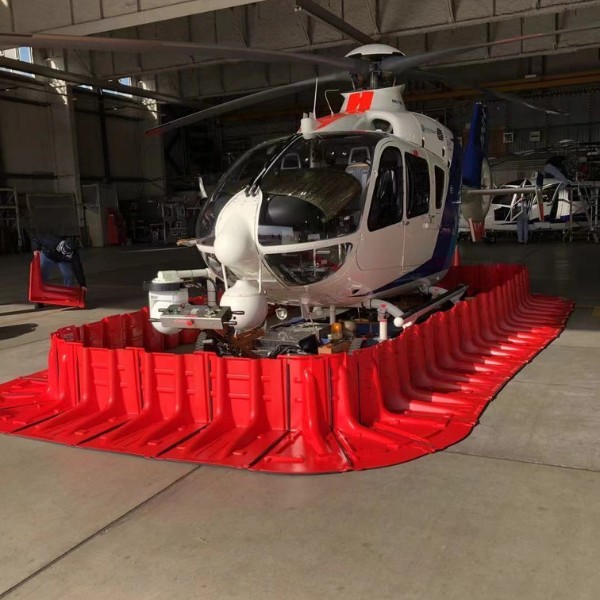
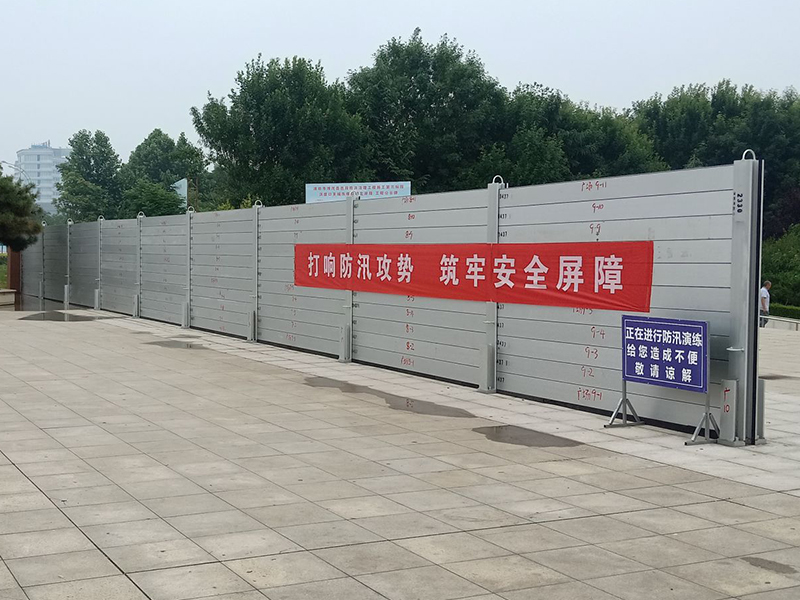
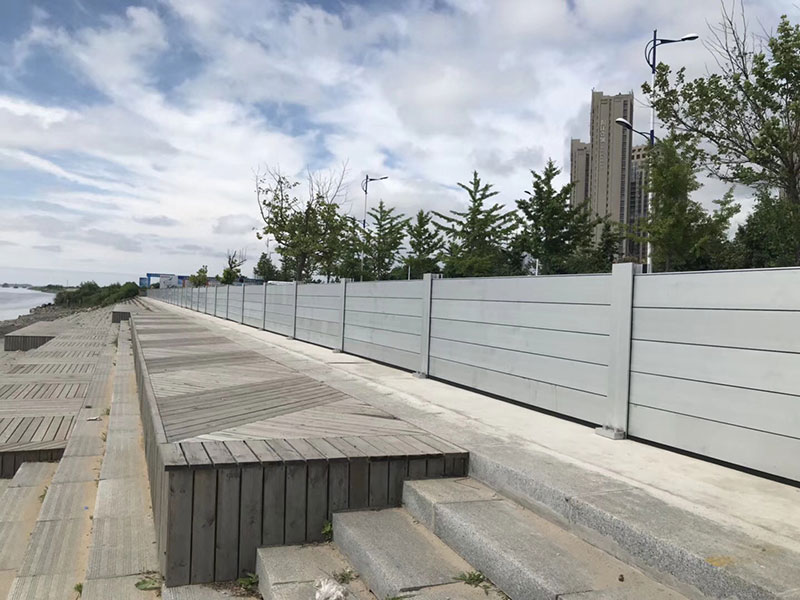
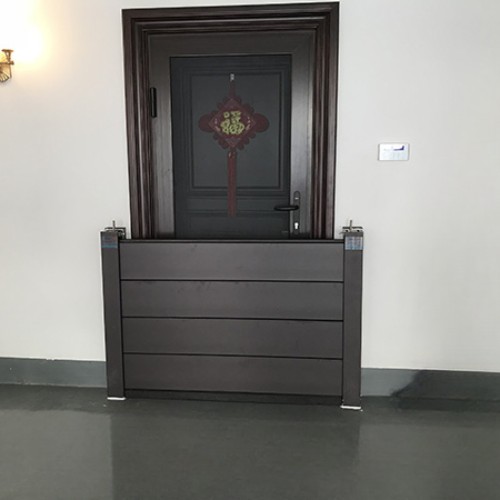
NewFlag offers reliable main temporary flood barrier systems: demountable aluminum barriers and L-shaped plastic barriers. Aluminum barriers use removable panels, posts, and seals to protect entrances, doorways, and underground access points. L-shaped plastic barriers use floodwater pressure on the base to improve stability, making them suitable for roads, industrial sites, and emergency flood control. Both systems are modular, reusable, and available in different sizes.
Why Choose NewFlag For Temporary Flood Barrier?
NewFlag focuses on dependable quality and practical project support. Our flood barrier systems are CE compliant and tested in accordance with PAS 1188. Each order follows strict quality control procedures to maintain stable performance and consistent manufacturing standards.
Customers can receive technical guidance during product selection, site planning, and installation preparation. OEM services are available for branding, packaging, and specific project requirements. Our team also has experience supporting overseas orders and complex flood protection projects. All inquiries are reviewed promptly, with a response provided within 24 hours.
NEWFLAG PRODUCTS
QUICK REQUESTS
Benefits of Temporary Flood Defence Barrier
Reliable Flood Protection
Strong barrier panels and effective sealing systems help reduce water intrusion and protect buildings, entrances, equipment, and infrastructure.
Fast and Easy Deployment
Lightweight modular components allow teams to install the barrier quickly, helping improve emergency response before floodwater arrives.
Reusable and Cost-Effective
Durable, weather-resistant materials support repeated use, reducing reliance on disposable sandbags and lowering long-term flood protection costs.
Flexible Modular Design
Barrier sections can be extended and configured for different widths, layouts, and protection areas across residential, commercial, and industrial sites.
Applications of Temporary Flood Barrier
1. Urban Flood Management
Temporary flood barriers help protect streets, public buildings, parking areas, tunnels, and transportation infrastructure during heavy rainfall and short-term flood events. Their removable design supports rapid urban flood control while minimizing disruption to traffic and public activities.
2. Industrial Facilities
These barriers can protect warehouses, manufacturing plants, utility facilities, machinery, and stored materials from water intrusion. Effective flood protection helps reduce equipment damage, production interruptions, and costly operational downtime.
3. Construction Sites
Temporary flood barriers help shield excavation areas, temporary structures, equipment zones, and unfinished buildings from stormwater, surface runoff, and river overflow. They provide flexible protection as site conditions and construction stages change.
4. Emergency Flood Response
Designed for rapid deployment, temporary flood barriers can be installed by municipal teams, emergency responders, facility operators, and contractors. They help protect evacuation routes, emergency facilities, critical entrances, and vulnerable infrastructure during urgent flood events.
FAQ About Temporary Flood Barrier
What is a temporary flood barrier?
A temporary flood barrier is a removable flood-control system designed to block or redirect rising water. It can be installed before a flood event and removed afterward, making it suitable for buildings, industrial sites, roads, construction areas, and public infrastructure.
How Does a Temporary Flood Barrier Work?
A temporary flood barrier creates a continuous protective line that blocks or redirects floodwater. Different systems work in different ways. L-shaped barriers use a horizontal base, allowing the weight of the floodwater to press down on the barrier and improve stability. Other barrier systems may use connected panels, support frames, posts, anchors, and sealing strips to resist water pressure and reduce leakage.
Do Temporary Flood Barriers Require Ground Anchoring?
Not all systems require permanent ground anchoring. Some barriers are self-supporting or stabilized by water pressure, while others use posts, bolts, anchors, or support frames. The correct installation method depends on the barrier design and the surface conditions.
Can Temporary Flood Barriers Be Installed on Uneven Ground?
They perform best on stable and relatively level surfaces. Minor surface irregularities may be managed with flexible sealing strips or additional sealing materials. For severely uneven, soft, or damaged ground, site preparation may be required before installation.
How Should Temporary Flood Barriers Be Maintained and Stored?
After use, remove dirt and debris, rinse the components, and allow them to dry completely. Check seals, fasteners, connectors, and panels for damage. Store all components in a dry, organized location away from direct sunlight, chemicals, and sharp objects.
Can Temporary Flood Barriers Be Customized?
Yes. Depending on the manufacturer, temporary flood barriers may be customized by height, length, panel material, surface finish, sealing system, connection method, and installation configuration. Site dimensions and expected flood conditions should be provided before ordering.
What Is the Difference Between Temporary Flood Barriers and Sandbags?
Temporary flood barriers are generally faster to deploy, easier to remove, and more suitable for repeated use. Sandbags require more labor, storage, and disposal, while modular barriers provide a cleaner and more organized flood-protection solution.
What Information Is Needed Before Requesting a Quote?
Customers should provide the required barrier length and height, installation location, ground conditions, expected water depth, intended application, and preferred barrier type. Photos or site drawings can also help the manufacturer recommend a suitable solution.