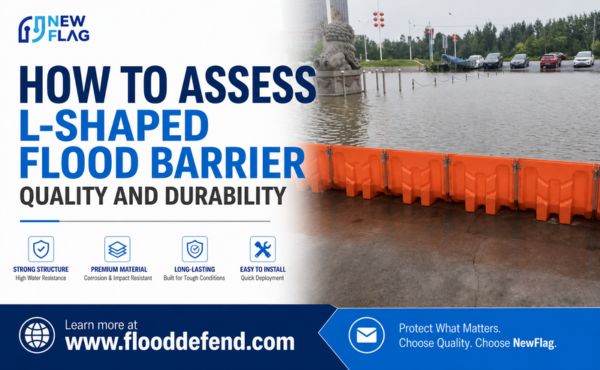
Choosing the best flood barrier depends on several factors. Property owners must consider their building type, expected flood risk, and available budget. Some sites benefit more from l-shaped flood barriers, while others may find different flood barriers more effective.
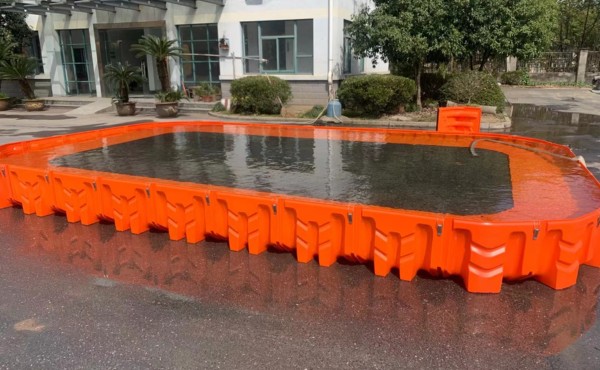
What Is an L-Shaped Flood Barrier?
Structure and Design
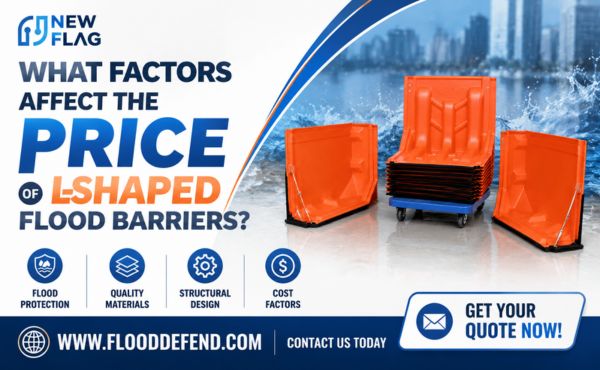
L-shaped flood barriers have a unique profile that looks like the letter “L” when viewed from the side. The vertical part stands upright to block water, while the horizontal base sits flat on the ground. This design helps the barrier stay stable during high water pressure.
Most l-shaped flood barriers use strong materials such as steel or reinforced plastic. The base often includes a non-slip surface to prevent movement. Some models have rubber seals along the bottom to stop water from leaking underneath.
Working Principle
L-shaped flood barriers work by using the weight of floodwater to hold the barrier in place. As water pushes against the upright section, the force transfers down to the base. This pressure keeps the barrier from tipping over.
The horizontal base spreads the force across the ground. This makes l-shaped flood barriers effective even on flat surfaces. They do not need to be fixed to the ground in most cases.
Typical Applications
L-shaped flood barriers are often used to protect doorways, garages, and warehouse entrances. They work well for both homes and businesses.
Many people choose these flood barriers for temporary or seasonal use. They are also popular for sites where permanent barriers are not allowed.
Some communities use l-shaped flood barriers to create a line of defense along sidewalks or driveways.
Common uses for l-shaped flood barriers:
-
- Protecting building entrances
- Shielding loading docks
- Guarding storefronts during storms
What Is an Aluminum Flood Barrier?
System Components
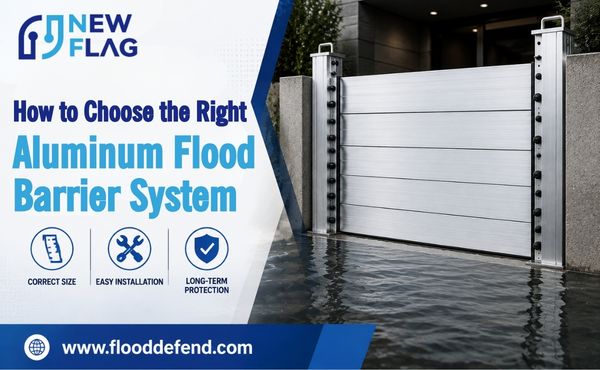
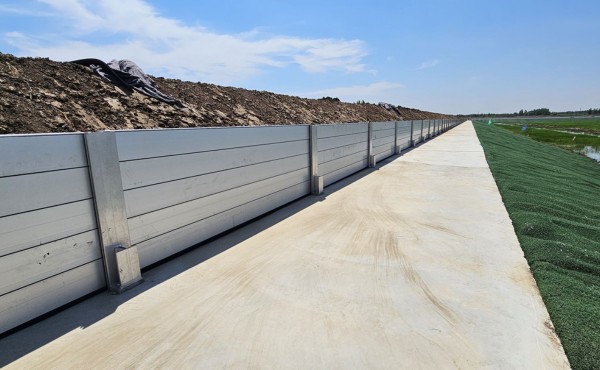
Aluminum flood barriers use panels made from lightweight metal. These panels fit into vertical posts or side channels. Rubber seals line the edges to stop water from leaking through gaps.
Some systems include locking handles or clamps. These parts hold the panels tightly in place. Most aluminum flood barriers come with storage racks for easy transport and organization.
Working Principle
Aluminum flood barriers work by creating a solid wall against rising water. The panels slide or stack between fixed posts. When water pushes against the barrier, the pressure spreads across the entire system.
Rubber seals and tight connections keep water from seeping through. The strength of aluminum helps the barrier resist bending or breaking. This design gives reliable flood protection for many types of buildings.
Typical Applications
Many businesses use aluminum flood barriers to protect storefronts and warehouses. Homeowners install them at doors, garages, and basement windows. Public buildings and utilities also rely on these barriers during storms.
Common uses include:
- Shielding commercial entrances
- Guarding underground parking areas
- Protecting critical infrastructure
Aluminum flood barriers work well for both permanent and temporary needs. They suit locations that face repeated flooding or need fast response.
L-Shaped vs Aluminum Flood Barriers
Barrier Structure
L-shaped flood barriers have a solid frame with a vertical wall and a flat base. Aluminum flood barriers use panels that fit into side posts. Both types of flood barriers create a strong barrier for flood protection.
Installation Method
L-shaped flood barriers usually rest on the ground and do not need anchors. Aluminum barriers require posts or channels fixed to the sides of an opening. This difference affects how quickly each system can be set up.
Deployment Speed
Many people choose l-shaped flood barriers for fast deployment. These barriers can be placed in position just before a storm. Aluminum flood barriers may take longer to assemble because the panels must be stacked and locked.
Flood Protection
Both types of flood barriers offer reliable flood protection. L-shaped flood barriers work well for temporary needs and can stop water up to a certain height. Aluminum barriers provide strong flood protection for repeated use and higher water levels.
Ground Requirements
L-shaped flood barriers need a flat, stable surface for best results. Aluminum barriers can adjust to uneven ground if the posts are installed correctly. This makes aluminum systems more flexible for different site conditions.
Storage Needs
L-shaped flood barriers often require more storage space because of their shape. Aluminum panels stack flat and take up less room. This feature helps when storing many types of flood barriers for large sites.
| Feature | L-Shaped Flood Barriers | Aluminum Flood Barriers |
|---|---|---|
| Structure | L-frame | Panel system |
| Installation | Place on ground | Fixed posts/channels |
| Deployment Speed | Fast | Moderate |
| Flood Protection | Good | Excellent |
| Storage | Bulky | Compact |
L-Shaped vs Aluminum Barrier Costs
Purchase Cost
L-shaped flood barriers often have a lower upfront price. The simple design and materials keep costs down. Aluminum barriers usually cost more because of the metal panels and extra system parts.
Some types of flood barriers, like aluminum systems, include posts and seals in the price. Buyers should compare what is included before making a decision. In flood-prone areas, the right choice can save money in the long run.
Installation Cost
L-shaped flood barriers require little or no installation. Most people can set them up without special tools. This reduces labor costs and makes them a budget-friendly option.
Aluminum barriers need posts or channels fixed to the building. This step may require professional help. Installation costs for aluminum systems are often higher than for L-shaped barriers.
Transport and Storage
L-shaped flood barriers are bulky and take up more space during transport. Moving them can be harder, especially for large sites. Storage also needs more room because of their shape.
Aluminum barriers are lighter and stack flat. This makes them easier to move and store. Many sites choose aluminum systems for their compact storage needs.
Long-Term Value
L-shaped flood barriers work well for short-term or seasonal use. They provide good flood protection but may wear out faster if used often. Aluminum barriers last longer and resist corrosion.
Over time, aluminum systems offer better value for sites with frequent floods. They help reduce flood damage and protect property for many years. Both types of flood barriers can be a smart investment, depending on site needs.
Which Barrier Is More Durable?
Material Strength
Material strength is important for flood barriers. L-shaped barriers often use steel or reinforced plastic. Aluminum barriers use metal panels that are strong and lightweight. Steel has high strength and can handle heavy water pressure. Aluminum panels resist bending and are easy to move. Both types of material help provide reliable flood protection.
Corrosion Resistance
Corrosion can weaken flood barriers over time. Steel needs coatings to protect against rust. Aluminum has natural resistance to corrosion. This makes aluminum barriers a good choice for flood-prone areas with frequent water exposure. Plastic parts in L-shaped barriers also resist corrosion but may not be as strong as metal. Choosing the right material helps extend the life of flood control solutions.
Maintenance Needs
Maintenance keeps flood barriers working well. Steel barriers need regular checks for rust and damage. Aluminum barriers require less maintenance because the material resists corrosion. Plastic parts need cleaning and inspection for cracks. Most flood barriers need seals checked to prevent leaks. Simple maintenance steps help keep barriers ready for use.
Service Life
Service life depends on material quality and care. Steel barriers last many years with proper maintenance. Aluminum barriers have a long service life because the material stays strong and resists corrosion. Plastic barriers may wear out faster if exposed to sunlight or chemicals. In flood-prone areas, aluminum barriers often provide the best long-term value. Regular maintenance and choosing the right material help maximize the service life of flood control solutions.
How to Choose the Right Flood Barrier
Flood Depth
Flood depth is a key factor when selecting flood barriers. Some barriers work best for shallow water, while others can handle higher levels. L-shaped flood barriers often protect against moderate floods, but deeper water may require a stronger system.
Opening Width
Measure the width of each opening you want to protect. Wide entrances may need barriers that connect together or use extra support. Aluminum panel systems can cover large spaces, while temporary flood barriers suit smaller doors and windows.
Site Conditions
Check the ground and surroundings before choosing a barrier. Flat, smooth surfaces help most types of flood barriers work well. In flood-prone areas with uneven ground, adjustable systems may provide better flood protection.
Deployment Frequency
Think about how often you will need to set up your barriers. Some sites face floods every year, while others only need protection during rare storms. Quick-deploy options save time for frequent use, but permanent systems offer strong defense for repeated threats.
Project Budget
Set a clear budget before you buy any flood barriers. Costs can vary based on size, material, and design. Compare the long-term value of each option to find the best fit for your needs and property.
Conclusion
L-shaped flood barriers work best for quick setup and temporary protection. Aluminum flood barriers provide strong, long-term defense and suit sites with frequent floods. Property owners should match the barrier type to their flood risk, budget, and how often they need to deploy it.