The right time to invest in an Automatic Flip Up Flood Barrier is when your property faces real flood threats or must protect valuable assets. This system uses a hidden design that keeps walkways and entrances clear, even in historic or sensitive locations. Think about your flood risk, the type of property you own, and how quickly you need protection when choosing a barrier.
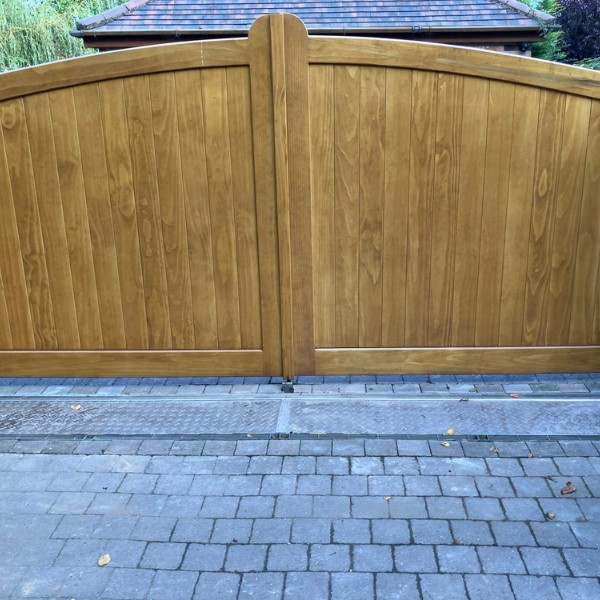
Automatic Flip Up Flood Barrier Scenarios
High Flood Risk Locations
Properties in flood-prone areas face constant danger from rising water. An Automatic Flip Up Flood Barrier offers strong protection for entrances, driveways, and loading docks. The hidden design keeps the barrier out of sight until needed, which helps maintain the look of the property.
Critical Infrastructure & Business Continuity
Hospitals, data centers, and power stations must stay open during emergencies. Flooding can cause major disruptions and damage expensive equipment. These barriers deploy quickly, either automatically or manually, to keep water out and protect vital operations.
Historic or Scenic Sites
Many historic buildings and scenic locations cannot use bulky flood defenses. The Automatic Flip Up Flood Barrier fits well in these places because it stays hidden when not in use. This feature preserves the original appearance and does not disturb daily activities or visitor experiences.
Frequent Flooding Events
Some regions experience floods several times a year. Repeated setup and removal of temporary barriers can be tiring and expensive. A flip up barrier provides a permanent solution that activates only when needed, saving time and effort.
Limited Staff or Emergency Response
During a flood, there may not be enough staff to set up traditional barriers. Automatic deployment ensures protection even if no one is present. This system is ideal for properties that cannot rely on a large team or quick emergency response.
| Scenario | Key Benefit |
|---|---|
| High Flood Risk Locations | Strong, hidden protection |
| Critical Infrastructure | Fast deployment, asset safety |
| Historic or Scenic Sites | Preserves appearance, unobtrusive |
| Frequent Flooding Events | Permanent, low-effort solution |
| Limited Staff/Emergency Response | Automatic activation, reliability |
Key Factors Before Buying
Flood Risk Assessment
Start by checking the flood risk for your property. Look at local flood maps and recent weather events. Properties near rivers, lakes, or in low-lying areas face higher risks.
Property Use and Value
Consider how you use your property and its value. Businesses with expensive equipment or inventory need strong protection. Homes with valuable items or historic features also benefit from reliable barriers.
- Properties with high value or critical assets often require advanced flood solutions.
- The Automatic Flip Up Flood Barrier protects entrances without changing the look of your property.
Local Codes and Regulations
Check local building codes and regulations before buying. Some areas require specific flood protection measures. Make sure the barrier meets all legal requirements.
Insurance and Liability
Review your insurance policy. Some insurers offer discounts for properties with flood barriers. Installing a barrier may reduce liability and help with claims after a flood.
- Insurance companies may require proof of protection for coverage.
- Proper flood defense can lower financial risks.
Cost vs. Benefit
Compare the cost of the barrier to the benefits it provides. Consider both upfront and long-term expenses. Maintenance, repairs, and operational impact matter as much as the initial price.
| Factor | Upfront Cost | Long-Term Cost | Benefit |
|---|---|---|---|
| Barrier Purchase | High | Low | Asset Protection |
| Maintenance | Low | Medium | Reliability |
| Insurance Savings | None | Medium | Lower Premiums |
Think about how the Automatic Flip Up Flood Barrier fits your budget and needs. Weigh the protection against possible flood damage.
Automatic Flip Up Flood Barrier Benefits
Hidden and Unobtrusive Design
Many flood barriers can change the look of a property. The Automatic Flip Up Flood Barrier stays out of sight when not in use. This feature helps keep entrances, walkways, and historic sites looking normal.
Automatic or Manual Activation
Floods can happen quickly. This barrier can activate on its own when water rises. Some models also allow manual operation if needed.
- Automatic activation means the barrier works even if no one is present.
- Manual options give property owners more control during emergencies.
No Interruption to Access
Daily access is important for homes and businesses. The Automatic Flip Up Flood Barrier does not block doors or driveways when not deployed. People can move freely without worrying about obstacles.
| Feature | Benefit |
|---|---|
| Hidden Design | No visual impact |
| Flip Up Mechanism | Keeps access clear |
Asset and Downtime Protection
Floods can damage valuable items and cause business interruptions. This barrier helps protect equipment, inventory, and important documents. It also reduces downtime after a flood by keeping water out.
Drawbacks and Alternatives
Potential Limitations
Automatic flip up flood barriers offer strong protection, but they have some limitations. Installation can be complex and may require changes to the property. These barriers might not suit every location, especially where space is limited or ground conditions are poor.
Barriers may not protect against extreme floods that exceed their design height. Owners should check the maximum flood level in their area before choosing this solution.
Maintenance Needs
Regular maintenance keeps the barrier working properly. Moving parts need inspection and cleaning to prevent malfunction. Dirt, debris, or corrosion can cause problems if ignored.
Maintenance tasks include:
- Checking seals for leaks
- Testing automatic activation systems
- Cleaning the barrier and surrounding area
Property owners must schedule maintenance at least once a year. Neglecting upkeep can reduce reliability and increase repair costs.
Manual vs. Automatic Barriers
Manual barriers require staff to set up before a flood. This can be difficult if floods happen suddenly or if there are few people available. Automatic barriers activate without human intervention, offering faster response.
| Barrier Type | Activation | Staff Needed | Response Time |
|---|---|---|---|
| Manual | By hand | Yes | Slower |
| Automatic | Sensor or water | No | Faster |
Manual barriers cost less and need less maintenance. Automatic barriers provide convenience and reliability, but they cost more and require regular checks.
When Not to Buy
Low Flood Risk Areas
Properties in areas with little or no history of flooding may not need an automatic flip up flood barrier. If local flood maps show minimal risk, the investment may not be justified. Homeowners and businesses should check official data before making a decision.
Budget Constraints
Automatic flip up flood barriers can be expensive. If your budget is tight, consider the total cost, including installation and maintenance. Less costly options may provide enough protection for some properties.
- Compare prices for different flood defense systems.
- Ask about payment plans or financial assistance if available.
Sufficient Alternative Solutions
Some properties already have effective flood protection. Sandbags, portable barriers, or landscaping changes can work well in certain situations. If these methods meet your needs, a flip up barrier may not add much value.
| Alternative Solution | Pros | Cons |
|---|---|---|
| Sandbags | Low cost, easy to use | Labor intensive |
| Portable Barriers | Reusable, flexible | Storage required |
| Landscaping | Permanent, aesthetic | May be expensive |
Installation or Maintenance Concerns
Not every site is suitable for installing an automatic flip up barrier. Complex ground conditions or limited space can make installation difficult. Regular maintenance is also needed to keep the system working.
Decision Checklist
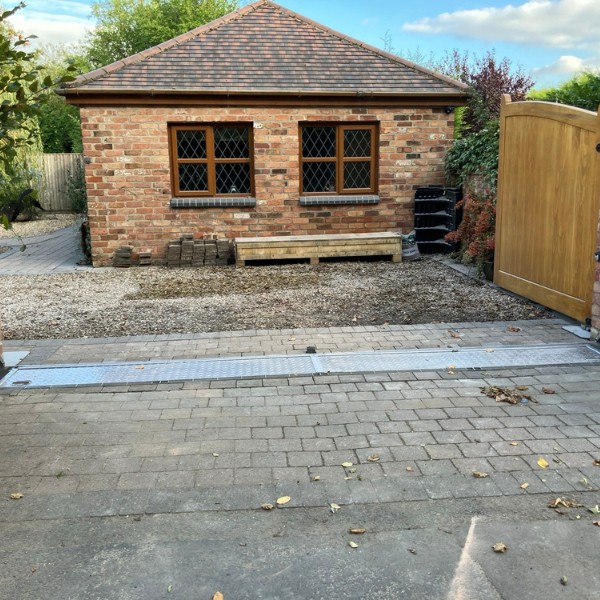
Quick Self-Assessment
Before making a purchase, ask yourself these key questions:
- Is my property in a flood-prone area?
- Do I need to protect valuable assets or critical operations?
- Will a hidden barrier help maintain the appearance of my site?
- Can I commit to regular maintenance and inspections?
- Does my insurance require or reward flood protection?
- Is my budget sufficient for both installation and upkeep?
- Are there local codes or regulations I must follow?
You can also use this simple table to check your readiness:
| Question | Yes | No |
|---|---|---|
| High flood risk? | ||
| Valuable assets to protect? | ||
| Need for hidden/unobtrusive design? | ||
| Able to maintain barrier regularly? | ||
| Insurance or legal requirements? | ||
| Budget covers costs? |
Next Steps
If you feel ready to move forward, follow these steps:
- Consult a flood risk professional. They can assess your property and recommend the best solution.
- Review local building codes. Make sure your choice meets all legal requirements.
- Request quotes from several suppliers. Compare costs, features, and warranties.
- Plan for regular maintenance. Set a schedule to keep your barrier in top condition.
Conclusion
Automatic flip up flood barriers work best for properties with high flood risk or valuable assets. Owners should assess their risk, property type, and operational needs before making a decision.