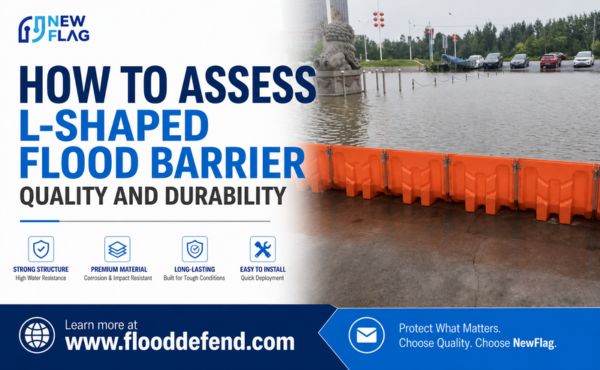
A flood barrier, also called a surge barrier or storm surge barrier, is a structure that blocks water from entering protected areas. Flood barriers help with flood protection by stopping or redirecting rising water. Homeowners and property owners in residential neighborhoods rely on these barriers to protect their homes from damage.

Flood Barrier Basics
What Is a Flood Barrier?
A flood barrier is a structure designed to stop water from entering certain areas. People use these barriers to protect homes, businesses, and land from flood damage. Flood barriers come in many forms, such as temporary walls, permanent gates, or portable panels.
Some barriers use metal or plastic panels that fit together to form a wall. Others use sandbags or inflatable tubes to block water. Each type of flood barrier serves the same purpose: to keep water out and reduce the risk of flooding.
Flood Protection Explained
Flood protection means using tools and strategies to prevent water from causing harm. Flood barriers play a key role in flood control by blocking or redirecting water away from important areas. These barriers help keep water from entering homes, streets, and buildings during heavy rain or storms.
In residential areas, flood barriers can be set up quickly when a flood warning is issued. This gives homeowners time to prepare and protect their property. Flood barriers are an important part of any plan to reduce the impact of flooding.
Flooding can happen with little warning, so having a flood barrier ready is important. Many communities use barriers to protect not just homes, but also schools, hospitals, and other vital places. Flood protection helps keep people safe and reduces damage to property.
How Flood Barriers Work
Mechanism of Flood Barriers
Flood barriers use different methods to stop water from entering protected areas. Some barriers act as walls that block water, while others redirect the flow to safer places. The main goal is to keep water away from homes, streets, and important buildings.
There are two main types of flood barrier systems: permanent flood barriers and temporary flood barriers. Permanent flood barriers stay in place all year and provide long-term protection. Temporary flood barriers can be set up quickly when a flood warning is given.
Passive flood barriers work without human action. These barriers rise automatically when water levels increase. This type of flood protection system is useful in places where floods can happen suddenly.
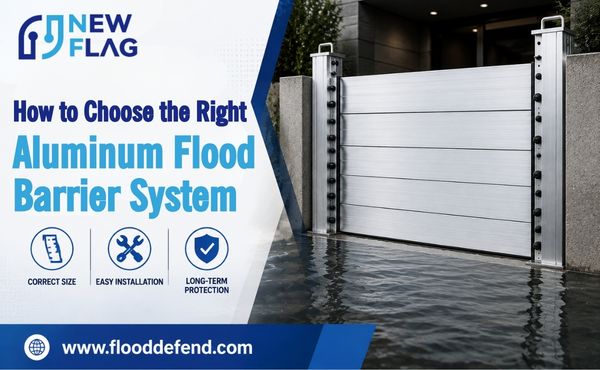
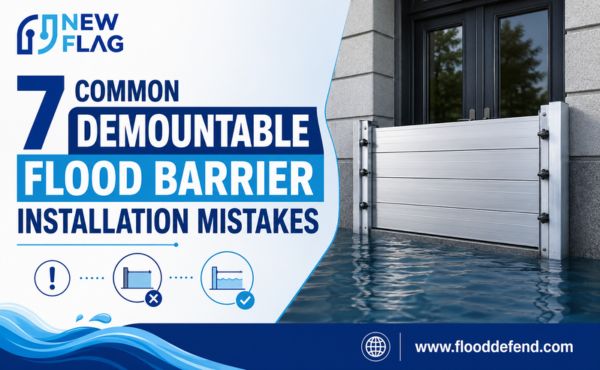
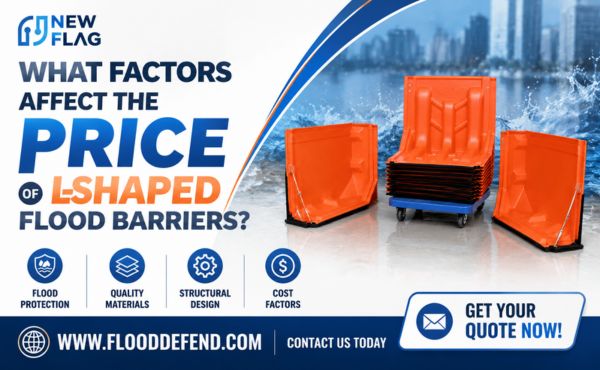
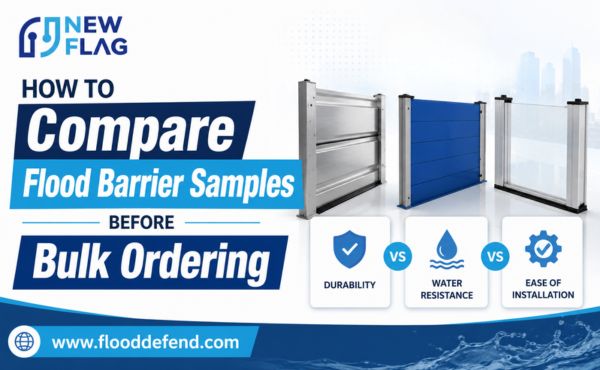
Some barriers use sandbags or inflatable tubes. Others use metal or plastic panels that fit together to form a strong wall. Each design helps with flood control by stopping or slowing the movement of water.
How Barriers Provide Flood Protection
Flood barriers protect people and property by creating a shield against rising water. When heavy rain or storms cause flooding, these barriers keep water out of homes and businesses. This helps reduce damage and keeps families safe.
Flood control is important in both residential and urban areas. Barriers can be placed around houses, schools, and hospitals. They also protect roads and power stations from flood damage.
Flood barrier systems work best when they are part of a larger flood protection plan. Regular checks and maintenance keep the barriers ready for use. Good planning and strong barriers help communities recover faster after a flood.
Where Are Flood Barriers Used?
Residential Areas
Residential flood barriers protect homes and yards from rising water. Many homeowners use sandbags or portable panels as flood control solutions. These barriers help prevent flooding during heavy rain or storms.
Some neighborhoods install permanent flood barriers to guard against frequent floods. Inflatable bladder dams are another option for residential properties. These types of flood barriers offer flexible protection for different situations.
Urban Infrastructure
Cities use flood barriers to protect streets, bridges, and public buildings. Metal and plastic barriers are common in urban areas. Flood control is important for keeping roads and transportation systems safe.
Urban flood control solutions include temporary walls and automatic gates. These barriers help manage water flow during storms. They also reduce damage to power stations and hospitals.
Coastal and Riverine Locations
Flood barriers play a key role in coastal and riverine locations. Large structures like the Thames Barrier in London and the Oosterscheldekering in the Netherlands protect entire regions from storm surges. These barriers are designed to handle high water levels and strong currents.
Coastal areas often use permanent gates and levees for flood control. Riverbanks may have inflatable dams or metal panels. Flooding is a major risk in these locations, so strong flood barrier systems are essential.
Industrial and Commercial Sites
Factories and warehouses rely on flood barriers to protect valuable equipment and inventory. Businesses use metal panels, sandbags, and portable flood barriers for quick response. Flood control solutions help reduce downtime and financial loss.
Industrial sites may install permanent flood barriers for long-term protection. Commercial properties often use temporary barriers during flood warnings. These measures keep operations running smoothly and prevent costly damage.
Key Considerations for Flood Protection
Effectiveness and Durability
Flood barriers must provide reliable flood control during emergencies. The effectiveness of residential flood barriers depends on their design and the materials used. Metal and plastic barriers often last longer than sandbags or inflatable options.
Durability matters for both permanent and temporary flood control solutions. Regular inspection helps spot damage or wear before flooding occurs. Strong barriers can protect residential areas from repeated flood events.
Cost and Maintenance
The initial cost of flood barriers can vary. Sandbags are usually less expensive but may not last as long as metal or plastic panels. Permanent flood control systems often require a higher investment but offer long-term protection.
Maintenance is important for all types of barriers. Cleaning and storing portable barriers after use helps them last longer. Permanent barriers need regular checks to ensure they work during a flood.
| Barrier Type | Initial Cost | Maintenance Needs |
|---|---|---|
| Sandbags | Low | High |
| Metal Panels | Medium | Medium |
| Inflatable Dams | Medium | Medium |
| Permanent Gates | High | Low |
Suitability for Different Flood Risks
Not every flood barrier fits every situation. Residential flood barriers work best for homes and small properties. Larger flood control systems protect cities, industrial sites, and coastal areas.
Consider the type of flooding in your area before choosing a barrier. Some barriers handle fast-moving water, while others block slow, rising floods. Good flood preparedness means matching the right barrier to your flood risk.
Conclusion
Flood barriers help protect homes, businesses, and communities from rising water. Choosing the right barrier for your property increases safety and reduces damage. Assess your flood risk and prepare before storms arrive.