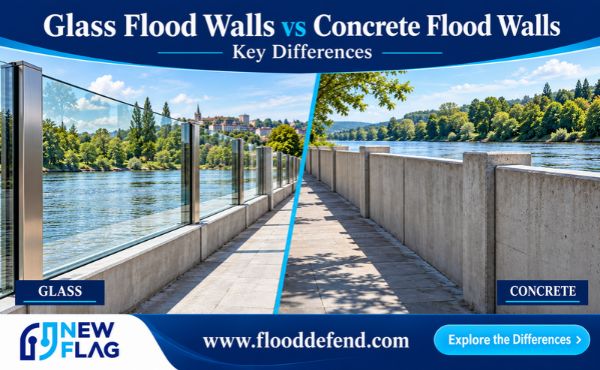
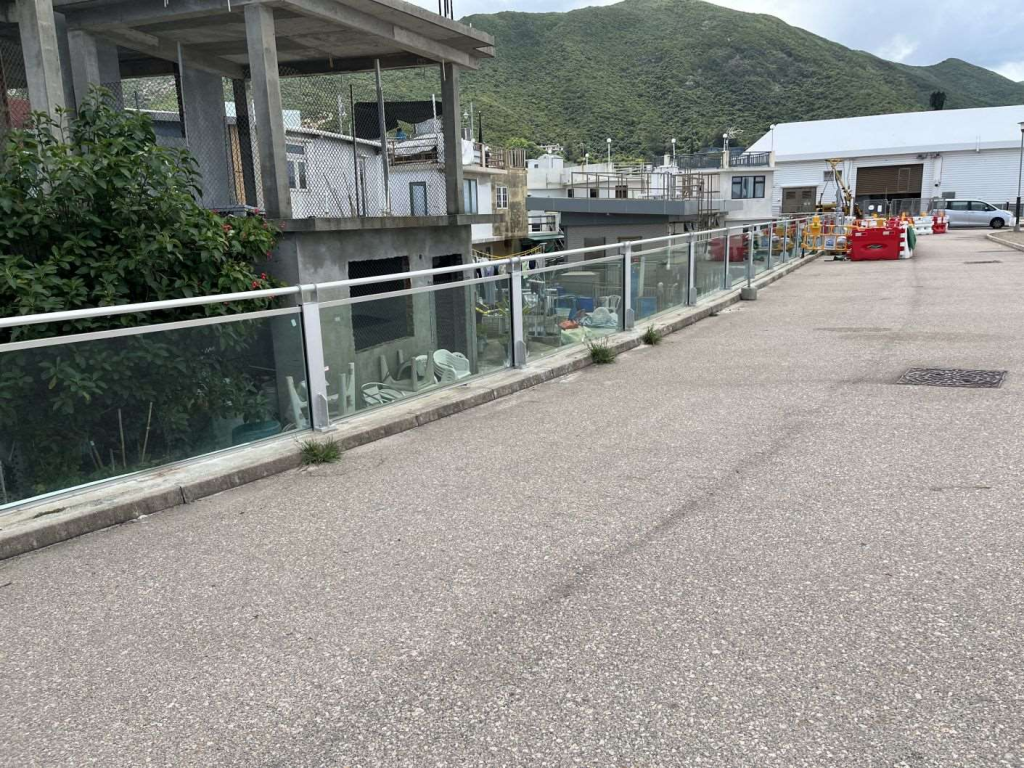
The better choice depends on the property’s needs. Glass flood walls deliver permanent, transparent protection. Removable flood barriers provide flexible, temporary defense. Each option suits different sites and different risk levels.
This comparison of glass flood walls vs removable flood barriers weighs four practical factors: performance, site fit, regulatory compliance, and cost. Performance covers strength, durability, and watertightness. Site fit covers space, ground conditions, and everyday appearance. Regulatory compliance covers permits, floodplain rules, and certification. Cost covers the initial purchase, installation, maintenance, and lifecycle value.
Readers can match a solution to their own situation. A homeowner, business owner, or facility manager can use these glass flood walls vs removable flood barriers findings to narrow the options before requesting quotes.
Glass Flood Walls vs Removable Flood Barriers
Key Differences
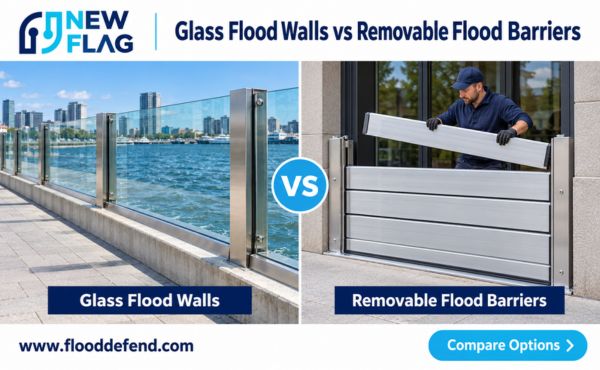
The glass flood walls vs removable flood barriers comparison comes down to permanence versus portability. A glass flood wall is a fixed structure. It stays in place year-round and holds back water whenever a flood arrives. A removable flood barrier is stored between events. Crews deploy it before a forecast flood and take it down afterward.
| Feature | Glass Flood Walls | Removable Flood Barriers |
|---|---|---|
| Installation | Permanent, fixed to the structure | Temporary, deployed on demand |
| Visibility | Transparent, preserves the view | Often opaque, visible only during use |
| Storage | None needed | Requires storage space off-season |
| Deployment | Always ready, no setup | Needs crew time and a deployment plan |
| Best for | Sites needing constant defense | Sites needing occasional defense |
Glass walls protect continuously. They need no warning time and no storage area. Removable barriers offer adaptability. A property owner can protect one entrance during a short-term threat and leave other openings clear. Each approach solves a real problem. Neither one is inherently superior.
Best-Fit Scenarios
Some properties point clearly toward one option. A riverfront café with large windows and a history of repeated flooding fits a glass flood wall well. The wall guards the opening around the clock and keeps the waterfront view intact. A warehouse that floods only during rare storm surges may prefer removable barriers. The owner avoids a permanent structure and deploys defenses only when forecasts demand them.
Heritage buildings often suit removable barriers. Fixed walls can alter a protected facade, and temporary units leave the appearance unchanged between events. Hospitals, data centers, and other facilities that cannot pause operations during a flood lean toward permanent glass walls. These sites need protection that activates without staff intervention.
Mixed sites exist too. A property can combine both approaches. Permanent glass walls might guard the most vulnerable openings, and removable barriers might cover secondary entrances. This hybrid strategy often balances budget and risk.
Readers can self-identify by asking three questions. How often does water threaten the site? How much warning time does the site typically receive? How much space is available for storage? Frequent threats with little warning favor permanent protection. Rare threats with good forecasting favor removable units. The glass flood walls vs removable flood barriers decision becomes clearer once these answers are known.
Performance Comparison
Strength and Durability
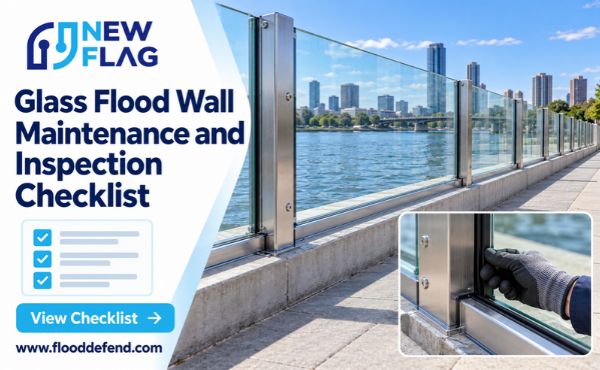
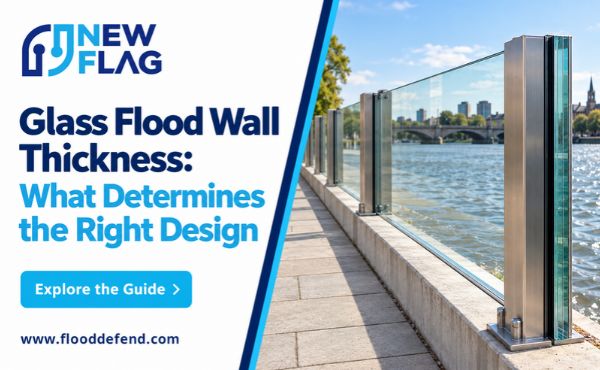
Glass flood walls rely on laminated glass panels held in reinforced frames and anchored to a concrete foundation. The lamination matters. A single pane can crack under impact, yet the bonded interlayer keeps the panel in place and limits water passage. Structural framing carries the hydrostatic load, and the foundation transfers that load into the ground. This system performs well against debris impact and steady pressure. Glass does scratch, and a damaged panel needs replacement rather than repair. Permanent exposure to sunlight, salt air, and temperature swings affects seals and gaskets over time. Regular inspection keeps these walls dependable for decades.
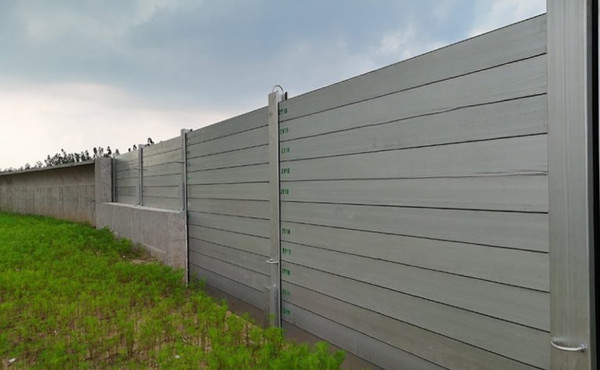
Removable flood barriers use aluminum, steel, or composite panels with rubber gaskets along the edges. These units face the same water pressure during a flood, yet they carry load only while deployed. Storage conditions shape their lifespan. Damp storage corrodes metal components, and rough handling damages gaskets. A well-maintained barrier set can serve for many years. A neglected set may fail when it is needed most. Durability for removable flood barriers depends heavily on the owner’s inspection and storage routine.
Watertightness and Reliability
Watertightness separates a good defense from a failed one. Glass flood walls achieve a continuous seal through fixed connections between panel, frame, and foundation. That seal does not depend on a crew arriving before the storm. The main risk is damage discovered too late, which is why scheduled inspections matter. A permanent wall also removes human error from the equation. Nobody forgets to install it.
Removable flood barriers depend on correct deployment. Gaskets must sit clean, clamps must tighten evenly, and panels must align with the mounting tracks. A single skipped step creates a leak path. Reliability therefore rests on training and drills. Facilities that rehearse deployment under time pressure perform far better than those that store barriers untouched. Manufacturers typically publish deployment guidance, and owners should follow it closely. Testing protocols from organizations such as FM Approvals give buyers a way to compare claimed performance across products.
Both options can deliver reliable protection. Glass flood walls reduce operational risk through permanence. Removable flood barriers reduce risk through tested, repeatable procedures. The right choice hinges on whether a site can guarantee correct deployment every time a flood threatens.
Site Fit and Application
Space and Site Conditions
Ground conditions shape which option a site can support. Glass flood walls are heavy structures. They need a solid foundation, typically concrete, to carry the water load and the weight of the panels and frames. Sites with unstable soil, buried utilities, or limited room for excavation may face higher preparation costs. A permanent wall also occupies a fixed line along the property. That line must sit clear of doorways, vehicle routes, and drainage paths.
Removable flood barriers ask less of the ground. Most systems mount to existing walls, posts, or tracks, and some need only a flat surface for the base seal. The trade-off is storage. Between floods, the panels and clamps need a dry, accessible space. A basement corner may work for a small entrance. A large perimeter needs a dedicated store room and a loading plan. Sites with tight lots often struggle to find that space.
Aesthetics and Everyday Use
Appearance drives many decisions. Glass panels keep sightlines open. A shopfront or riverside restaurant retains its view and its daylight. The wall reads as part of the building rather than a barricade. This transparency matters for customer-facing properties and for historic districts where visible change draws scrutiny.
Removable barriers stay out of sight most of the year. The property looks unchanged between events, which suits heritage facades and public spaces. Everyday use also differs. A fixed wall is always present, so daily routines adapt around it. A removable system leaves openings clear but demands crew time, drills, and a deployment plan before each threat. The glass flood walls vs removable flood barriers choice often comes down to how a site balances daily appearance against readiness.
Regulatory Compliance
Permits and Floodplain Rules
Local rules often decide which option a site can even install. Many communities regulate construction inside mapped floodplains. A permanent glass flood wall counts as a structure in most jurisdictions. It may trigger a permit review, an elevation review, or a floodplain development review. Reviewers check the wall against local floodplain ordinances and the site’s base flood elevation. Some districts limit permanent structures near waterways or in historic zones. A property owner should confirm local rules before ordering panels.
Removable flood barriers face a lighter path in many areas. Temporary systems often fall outside structural permit rules. That status can change with local code language. Some jurisdictions treat stored barriers as equipment, and others treat them as development. Deployment rules matter too. A site may need a written flood response plan on file. Insurance providers may ask for proof that barriers meet a recognized standard. The glass flood walls vs removable flood barriers permit question rarely has one answer. It depends on the local code office and the site’s flood zone.
Standards and Certification
Third-party testing gives buyers a common yardstick. Certification bodies test flood barriers against published criteria for watertightness and structural load. A certified product carries documented performance. Buyers can compare claims across suppliers on equal terms. Glass wall systems also undergo structural and impact testing. Design professionals typically specify these systems with sealed engineering drawings and stamped calculations. That documentation supports both the permit file and the insurance review.
Compliance work does not end at installation. Permanent walls need periodic inspection records. Removable systems need deployment logs and staff training records. Insurers and code officials may request these documents after an event. A clear record trail strengthens a flood insurance claim and demonstrates due diligence. Buyers should ask suppliers which certifications apply and which documents ship with the product. That question separates a serious supplier from a casual one.
Cost Comparison
Initial and Installation Costs
Upfront spending follows different patterns for each option. A glass flood wall carries a higher purchase price per opening. The panels, reinforced frames, and anchoring hardware cost more than temporary units. Installation adds engineering work, foundation preparation, and skilled labor. Sites with poor ground conditions may need extra excavation or concrete work. These costs arrive once, at the start of the project.
Removable flood barriers cost less to buy for a single entrance. A small property can protect one door for a modest outlay. Costs scale with perimeter length, and a large site needs many panels, tracks, and clamps. Installation is usually simpler. Most systems mount to existing structures with limited site work. Buyers comparing glass flood walls vs removable flood barriers often find the temporary option cheaper at the outset. That advantage shrinks when a site needs wide coverage or several separate entrances.
Maintenance and Lifecycle Costs
Long-term spending tells a different story. A glass flood wall needs periodic inspection of seals, gaskets, and anchors. Damaged panels need replacement, and that work carries a real cost. The structure otherwise serves for decades with routine care. No storage space is required, and no crew time is spent on deployment. These savings accumulate year after year.
Removable barriers carry ongoing costs that buyers sometimes overlook. Storage space has a value, whether it is a rented unit or floor area taken from operations. Crews need training and drills, and each deployment consumes staff hours. Gaskets and metal parts wear faster under repeated handling and damp storage. Replacement parts add to the total. A well-kept barrier set still offers good value for sites with rare flood exposure. A site facing frequent threats may find the lifecycle balance tips toward permanent protection. Buyers should weigh the full picture, not just the purchase price.
Conclusion
Glass flood walls excel at permanent protection and visual appeal. Removable flood barriers win on flexibility and lower upfront cost for temporary needs. The glass flood walls vs removable flood barriers decision has no universal winner. Each option fits a different property profile.
Readers should assess four factors before deciding: site conditions, flood risk level, budget, and regulatory context. Frequent threats with little warning favor a fixed wall. Rare threats with reliable forecasts favor a stored system. Local permits and certification requirements can narrow the field further.
Consult local code officials and a qualified provider to confirm the right fit. A site visit and a written quote turn a general comparison into a workable plan.
FAQ
Which option suits a site that floods often with little warning?
Glass flood walls fit this profile. They stay in place year-round and need no setup time. A site that floods often and gets short forecasts cannot rely on crew deployment. Permanent protection removes that scheduling risk entirely.
Do removable flood barriers need much storage space?
Yes. Panels, clamps, and tracks need a dry, accessible space between events. A small entrance may fit in a basement corner. A large perimeter needs a dedicated store room and a loading plan. Buyers should confirm storage before choosing removable flood barriers.
Which option is easier to permit?
Removable flood barriers often face a lighter permit path, since many jurisdictions treat temporary systems as equipment rather than structures. Glass flood walls usually count as structures and may trigger floodplain review. Local code language varies, so confirm with the code office first.
How do I keep either system reliable over time?
Both options depend on inspection. Glass flood walls need scheduled checks of seals, gaskets, and anchors. Removable flood barriers need clean gaskets, dry storage, staff training, and practice drills. Documented records support insurance claims and show due diligence.
Can a property use both options together?
Yes. A hybrid approach works well. Permanent glass flood walls can guard the most vulnerable openings, and removable flood barriers can cover secondary entrances. This strategy often balances budget against risk across a mixed site.