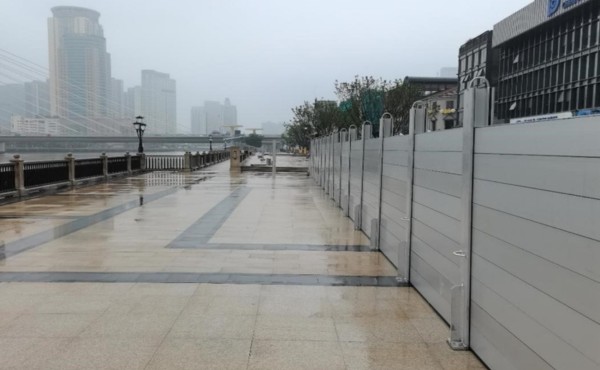
Selecting a flood barrier system requires careful evaluation of structural measurements and expected water depth. Property owners must analyze deployment speed alongside material quality. High flood risk demands reliable flood protection to prevent severe structural damage. Commercial facility managers often choose an aluminum flood barrier for superior durability against heavy water pressure.
Furthermore, advanced engineering ensures long-term performance under extreme conditions. A temporary defense may offer lower initial costs, but an engineered aluminum flood wall system delivers permanent security. Buyers must balance initial purchase costs against total long-term protection value. Investing in certified robust components guarantees safety during critical weather events.
Site Assessment for Flood Protection
A comprehensive site assessment forms the foundation of any effective flood protection plan. Facility managers must first identify vulnerable entry points across the entire property. Ground-level doors, driveways, utility openings, and loading docks face direct exposure during severe flood events. Implementing sound flood protection requires proper site evaluation.
Evaluating overall property layout helps maintenance teams determine flow paths for rising surface water. Staff members must also evaluate available storage space capacity for barrier components near designated installation zones.
Measuring Openings and Physical Vulnerabilities
Custom fitments require exact physical measurements across every target opening. Technicians must record distances at the widest points of door and window frames. Structural surfaces often feature slight surface irregularities, so measuring multiple elevations along each vertical frame prevents costly water leaks.
Accurate height dimensions determine the necessary height of modular barrier panels. Unshielded gaps around frame corners allow water intrusion, so installers must evaluate side clearance carefully. Proper site planning ensures tight seals against structural perimeters.
Evaluating Hydrostatic Pressure and Water Depth
Calculating anticipated water depth guides critical flood system selection decisions. Higher water levels exert greater hydrostatic pressure against vertical barriers. Standard physical calculations show that hydrostatic pressure equals fluid density multiplied by gravity and water depth.
Local flood risk levels dictate required structural panel height and thickness. Properties in high flood risk zones experience intense hydrostatic forces during long storm events. Understanding site history allows engineers to select barriers that withstand maximum anticipated water loads without structural deflection.
Substrate Strength and Mounting Options
Mounting foundations must sustain heavy pressure loads without structural failure. Solid concrete substrates provide optimal anchor strength for heavy vertical posts. Weak masonry structures or degraded brick walls require specialized structural reinforcements before installing hardware components.
Choosing appropriate mounting options ensures long-term operational success for flood mitigation efforts. Permanent side channels offer rapid deployment capability during unexpected emergencies. Properly anchored systems maintain reliable defense, preserving building integrity and enhancing long-term flood protection.
Evaluating Flood Barrier System Types
Facility managers must evaluate different physical designs when selecting a structural defense against rising rivers or heavy storm runoff. Structural configurations range from manual stackable beams to fully automated barriers. Selecting the proper design depends on site access needs, labor readiness, and facility operations.
Removable Modular Stop-Log Barriers
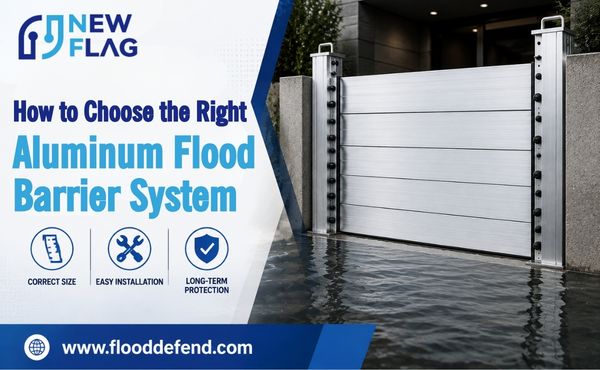
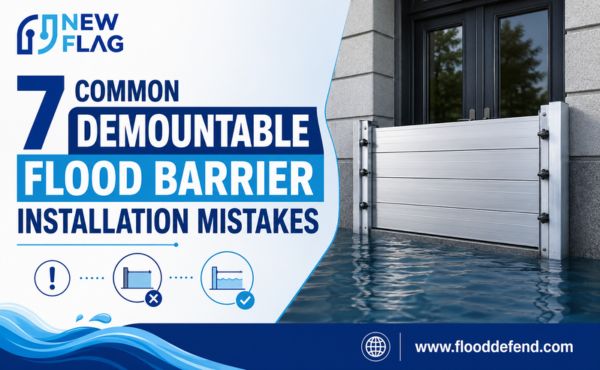
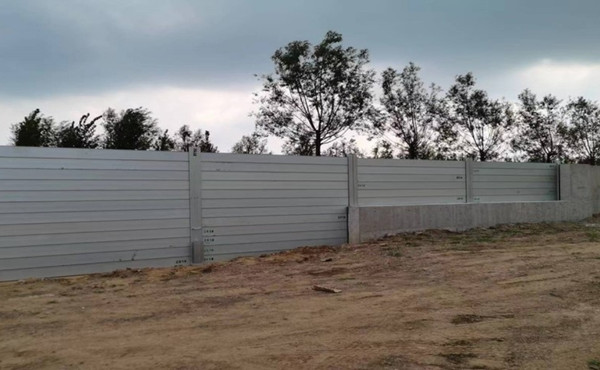
Stackable beam designs provide effective shielding for wide spans and high structural openings. A removable flood barrier system utilizes hollow extruded aluminum slats that stack vertically between fixed mounting posts. Workers insert individual logs sequentially into side channels during high water alerts. Compression clamps pull the stack tightly downward, forcing rubber gaskets to form a watertight seal along every joint. Rigid intermediate support posts allow facility managers to protect expansive building perimeters without sacrificing structural stability.
A removable flood barrier system provides exceptional strength while remaining lightweight enough for manual handling. Maintenance teams store the individual beams in compact racks during dry periods. Building owners appreciate this flexibility because the system preserves architectural aesthetics when uninstalled. However, staff members must complete assembly before rising water reaches the property perimeter. Proper training ensures deployment speed during sudden storm events.
Permanent vs. Temporary Setup Options
Property leaders must decide between continuous structural fixtures and temporary flood barrier designs. Permanent installations remain fixed in place continuously around target perimeters. These structures provide immediate defense without requiring manual labor during emergencies. However, permanent walls restrict daily access and alter site appearance significantly. Facility managers often evaluate long-term labor costs against initial installation expenses when selecting barrier hardware.
A temporary flood barrier offers a flexible alternative for commercial properties. Installation crews set up components only when severe weather threatens the area. Deploying an aluminum flood wall system temporarily protects vulnerable doorways while keeping entrances clear during daily business operations. The table below outlines key operational distinctions between permanent and temporary configurations:
| Feature | Permanent Barriers | Temporary Barriers |
|---|---|---|
| Deployment Speed | Immediate automatic defense | Requires manual installation time |
| Aesthetic Impact | Constantly visible on building facade | Hidden in storage until needed |
| Labor Requirement | Zero emergency staff required | Trained crews needed before storms |
| Site Accessibility | Permanently alters access routes | Maintains open traffic during dry periods |
Selecting an aluminum flood wall system gives operators control over structural aesthetics and operational readiness. Site engineers often prefer modular temporary designs for loading docks and pedestrian entryways.
Automatic and Passive Barriers
Automatic and passive defenses operate without human intervention during rising water events. Self-activating barriers utilize buoyancy forces to lift protective panels automatically as storm runoff fills subterranean chambers. Rising water pushes internal floats upward, elevating structural walls before cresting surges reach the site threshold. Engineers regularly specify these self-acting systems for locations where rapid water accumulation prevents timely manual deployment.
Passive systems offer maximum operational reliability for facilities with limited emergency staff. These mechanisms eliminate human error during night storms or unexpected flash storms. Installing an aluminum flood barrier with self-closing capabilities protects isolated assets, electrical vaults, and unmanned utility stations. Passive barriers deliver continuous flood protection around critical infrastructure. Choosing an automated flood protection system guarantees robust site protection whenever severe storm threats emerge.
Material Quality and Engineering Standards
Buyers must prioritize manufacturer engineering and structural durability over initial purchase prices. Standard physical hardware faces severe dynamic stresses during intense storm events. Poor material selection often leads to structural failure under heavy water loads during severe flood events. A proven manufacturer designs every system to deliver reliable flood protection under severe hydrostatic forces. Selecting premium structural components guarantees superior material quality and operational reliability for critical commercial properties.
Selecting an Aluminum Flood Barrier Alloy
Extruded structural profiles form the primary baseline for modern barrier assemblies. Engineers prefer 6063-T6 anodized aluminum alloy for heavy flood wall components due to high structural strength and light weight. This specific structural metal undergoes thermal heat treatments to elevate tensile resistance against rising water forces. The anodizing process adds a hard protective oxide coating directly onto the structural surface. This outer layer prevents severe surface oxidation and chemical degradation from continuous environmental exposure.
Choosing an aluminum flood barrier constructed from marine-grade metal alloys prevents physical deformation under heavy pressure. High-grade metal profiles maintain structural quality and shape without taking permanent physical bends. The raw alloy retains long-term performance across decades of repeated operational deployments. Superior metallurgical engineering provides continuous structural defense for commercial facilities facing unpredictable severe weather risks.
Sealing Gaskets and Corrosion-Resistant Hardware
Watertight site security depends entirely on the material quality of flexible seals and physical fasteners. Synthetic EPDM rubber gaskets line every modular joint to block incoming water effectively. EPDM rubber resists atmospheric ozone damage, UV degradation, and extreme thermal swings without cracking over time. These elastomeric seals form robust compression barriers under direct mechanical clamping pressure.
Mounting channels and anchoring bolts demand extreme environmental resistance. Structural engineers specify 316L stainless steel hardware for severe corrosion protection against saltwater environments and chemical pollution. The table below outlines standard material specifications for high-performance flood barrier hardware:
| Component Type | Material Standard | Operational Benefit |
|---|---|---|
| Structural Profile | 6063-T6 Anodized Aluminum | High strength-to-weight ratio and corrosion defense |
| Gasket Seals | EPDM Synthetic Rubber | Weatherproofing and flexible compression sealing |
| Mounting Hardware | 316L Stainless Steel | Superior protection against marine saltwater corrosion |
Structural Testing and FEMA Compliance
Independent laboratory testing verifies the structural integrity of barrier designs before installation. Official certification proves that complete barrier assemblies satisfy rigorous physical safety standards. Facility managers must choose barrier hardware evaluated under strict testing guidelines like ANSI/FM 2510 flood procedures. These rigorous laboratory protocols measure dynamic wave impacts, static hydrostatics, and total leakage rates during full submergence.
Strict alignment with recognized federal engineering standards ensures operational safety during extended flood conditions. FEMA standards require minimal fluid penetration across all vertical panel joints during continuous storm surges. Installing a certified aluminum flood barrier ensures that commercial building assets receive verified physical protection against sudden water hazards. High structural quality combined with third-party testing guarantees complete flood protection during catastrophic environmental storms.
Operational Feasibility and Deployment
Deployment Speed and Labor Needs
Facility managers must evaluate operational readiness before severe storm events. Emergency crews require straightforward assembly procedures during sudden weather alerts. Simple locking mechanisms allow workers to install components rapidly without specialized tools.
Deploying an aluminum flood wall system requires significantly less manpower than building sandbag barricades. A standard modular flood barrier system enables two staff members to shield building openings within minutes. Rapid installation provides reliable structural protection before rising water reaches vulnerable entryways.
Storage and Weight Considerations
Storage requirements directly influence long-term operational utility. Modern aluminum components deliver lightweight structural strength without sacrificing overall material quality. Compact storage racks keep individual panels organized near primary deployment zones for immediate access.
- Stacking modular logs horizontally on specialized carts prevents structural warping.
- Storing elastomeric seals in dry areas prevents material degradation over time.
Facility teams move lightweight aluminum panels easily through tight hallways. Proper storage protocols extend component lifespans and ensure immediate operational readiness.
Custom Aluminum Flood Wall System Options
Unique building layouts demand tailored site engineering solutions. A custom aluminum flood wall system adapts seamlessly to curved perimeter walls, expansive driveways, and irregular doorway thresholds.
Engineers modify mounting channels to match specific architectural features while preserving facility aesthetics. Selecting a custom aluminum flood wall system provides complete flood protection across complex commercial properties. Precise fabrication prevents water seepage around challenging structural obstacles during major storm surges.
Ongoing Inspection and Maintenance Protocols
Regular maintenance protocols ensure operational readiness during severe storm alerts. Maintenance teams must inspect physical hardware annually to verify long-term material quality.
Staff members must clear dirt and sediment from bottom channels after any flood event. Essential maintenance steps include:
- Inspecting rubber gaskets for surface cracks, tears, or hardening.
- Cleaning mounting tracks to prevent water leakage past bottom seals.
- Applying approved lubricants to compression clamps for smooth operation against water.
Routine care maintains a flood barrier system for reliable flood protection and long-term site safety.
Conclusion
Choosing an aluminum flood barrier requires evaluating physical measurements, barrier types, material quality, engineering standards, and operational capacity. Proper planning mitigates site flood risk effectively.
Buyers should follow this step-by-step evaluation checklist when consulting engineers:
- Verify structural site dimensions and hydrostatic pressure limits.
- Select suitable barrier designs for facility operational needs.
- Confirm high material quality and official engineering certifications.
- Test emergency deployment procedures with trained site staff.
Property managers must prioritize long-term performance over initial cost. An engineered aluminum flood wall system delivers reliable protection during extreme storms. Investing in certified flood protection ensures permanent safety for critical facility infrastructure.
FAQ
What metal alloy protects facilities from a flood hazard?
Engineers prefer 6063-T6 anodized aluminum alloy for structural profiles. This metal offers high strength against dynamic water pressure while remaining lightweight. Anodizing creates a protective oxide coating. This surface layer prevents severe corrosion during exposure to heavy flood water.
How do EPDM seals perform during a flood?
Flexible EPDM synthetic rubber gaskets line modular panel joints. These seals resist ozone damage, UV degradation, and severe weather. Mechanical clamps push stacked panels downward. This compression forces flexible rubber against structural frame edges to stop incoming flood water from leaking into building openings.
Which standards certify structural performance against rising water?
Independent testing laboratories evaluate structural assemblies under strict standards like ANSI/FM 2510 procedures. These tests verify system strength against dynamic wave impacts and hydrostatic pressure. Official certifications ensure compliance with federal FEMA guidelines to guarantee continuous flood safety during severe weather events.
How many workers deploy a temporary flood barrier system?
Deploying a modular assembly requires minimal labor compared to sandbag walls. Two trained site workers install lightweight aluminum panels across doorways within minutes. Simple locking hardware secures components before rising flood water reaches vulnerable property thresholds.
What routine care preserves site flood defenses?
Regular annual inspections ensure total system readiness. Facility teams clear debris from bottom mounting tracks after every flood event. Maintenance staff check rubber gaskets for surface cracking. Applying approved lubricant to clamping components maintains smooth mechanical operation during a sudden flood threat.