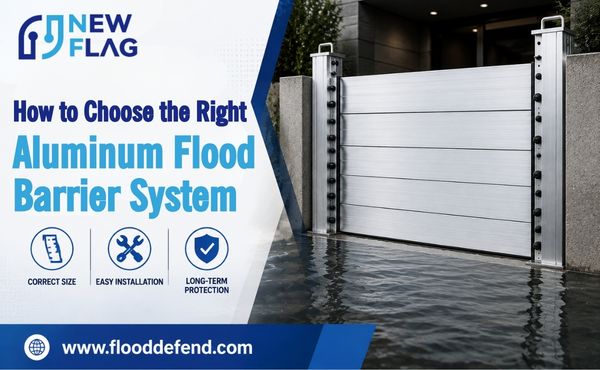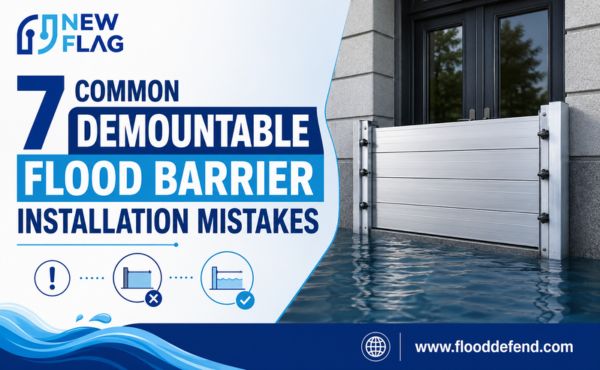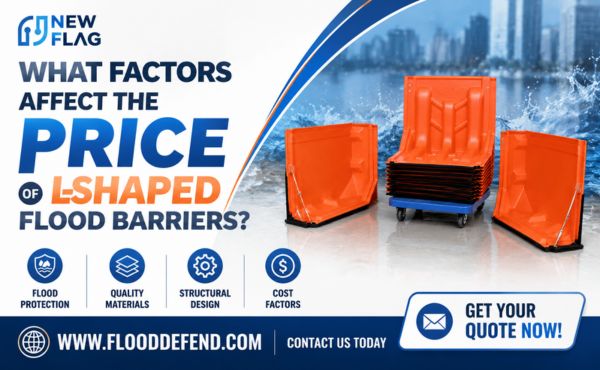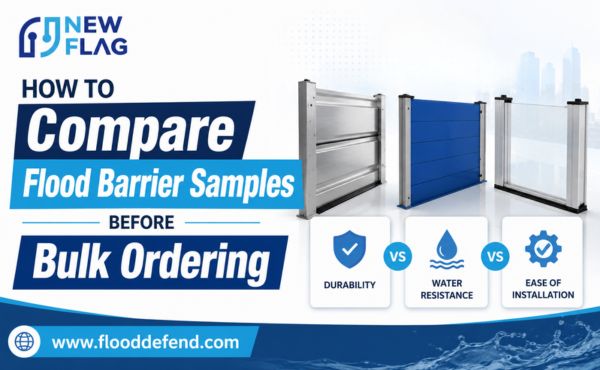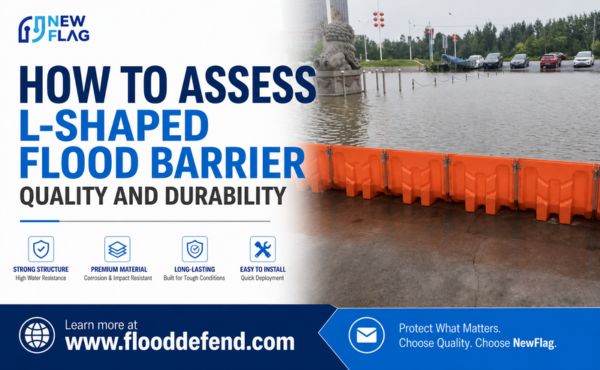
Choosing the right Flood Barrier supplier is essential for reliable flood protection, safe installation, and long-term performance. Before placing an order, buyers need to understand product quality, customization options, certifications, delivery time, and after-sales support. Asking the right questions helps reduce risk, avoid unsuitable products, and make a more confident purchasing decision.
Flood Barrier Supplier Certification and Compliance
Certification Standards
A flood barrier supplier must follow strict certification standards. These standards help make sure that every flood barrier gives the best flood barrier protection. Certification shows that the system can handle different flood risk levels. It also proves that the barrier can work in flood-prone areas and provide permanent flood protection.
When you talk to a flood barrier supplier, ask which standards their flood barriers meet. Some barriers must pass tests for water resistance, strength, and durability. The best flood barrier will have proof that it meets national and international safety rules.
Compliance Documentation
A reliable flood barrier supplier should give you compliance documents. These papers show that the flood barrier system follows all laws and rules. You should ask for copies of these documents before you order any barrier.
The best flood barrier suppliers will have clear records for each system. These records include test results, inspection reports, and certificates. If a supplier cannot provide these, you may face problems with insurance or local approval.
- Ask for a list of all compliance documents.
- Check if the documents match the flood risk level for your area.
- Make sure the system fits your needs for protection.
A good flood barrier supplier will help you understand each document. This support gives you peace of mind and lowers your risk. Choosing the best flood barrier means you get strong protection and meet all safety needs.
Flood Barrier Types and Suitability
Available Barrier Types
Flood barriers come in many forms. Each type offers a different level of protection against flood water. Some barriers are temporary, while others are permanent.
Common flood barriers include:
- Demountable barriers: These can be set up before a flood and removed after the water goes down.
- Permanent barriers: These stay in place all year and give constant protection.
- Inflatable barriers: These fill with water or air and block flood water quickly.
- Sandbag barriers: These use bags filled with sand to stop water from entering buildings.
- Self-rising barriers: These barriers lift themselves when water levels rise.
Matching Barriers to Needs
Choosing the right flood barrier depends on your property and the type of flood you face. Some barriers work better for homes, while others suit large buildings or outdoor spaces. You should think about how much protection you need and how often floods happen in your area.
| Barrier Type | Best For | Level of Protection |
|---|---|---|
| Demountable | Homes, small shops | Medium |
| Permanent | Critical facilities | High |
| Inflatable | Quick response areas | Medium |
| Sandbag | Emergency use | Low |
| Self-rising | Urban locations | High |
A good flood barrier supplier will help you match the right barrier to your needs. They will look at your flood risk and suggest the best barriers for your property. This ensures you get strong protection and peace of mind.
Flood Barrier Materials and Durability
Material Quality
Flood barriers must use strong materials to stop water from entering buildings. The quality of each flood barrier affects how well it can provide protection. Many flood barriers use steel, aluminum, or reinforced plastic to block water intrusion.
Some barriers use special coatings to resist rust and damage from water. These coatings help the flood barrier last longer and keep protection levels high. Suppliers should explain what materials their flood barriers use and how these materials handle water exposure.
A flood barrier with high-quality materials will not break down during a flood. It will keep water out and maintain protection for your property. Always check if the flood barrier has passed tests for strength and water resistance.
Environmental Suitability
Flood barriers must work in different environments. Some barriers face heavy rain, while others deal with rising water from rivers or lakes. The best flood barrier will protect against water intrusion in all conditions.
Suppliers should offer flood barriers that match your climate and risk level. For example, barriers in coastal areas need to resist salt water. Barriers in urban spaces must handle dirty water and debris.
| Environment | Barrier Material | Water Challenge | Protection Level |
|---|---|---|---|
| Coastal | Stainless steel | Salt water | High |
| Urban | Reinforced plastic | Dirty water | Medium |
| Rural | Aluminum | Clean water | Medium |
Flood barriers must stay strong even after many floods. Ask your supplier if the flood barrier can handle repeated water exposure. This ensures you get reliable protection every time water threatens your property.
Customization Options for Flood Barriers
Site-Specific Solutions
Every property faces unique flood risks. Flood barriers must fit the exact needs of each site to provide the best protection. Some locations need barriers for doorways, while others require solutions for large openings or uneven ground.
A supplier should visit your property to assess the flood risk. They will look at the building layout, ground level, and possible water entry points. This helps them recommend the right flood barrier options for your situation.
Flood barriers can be adapted for homes, businesses, or public spaces. Some barriers work better for frequent floods, while others suit rare but severe events. The right flood barrier options will protect your property and reduce damage.
Custom Design Process
A custom design process helps create flood barriers that fit perfectly. The supplier will measure all entry points and note any special features. They use this information to design barriers that block water and offer reliable protection.
The process often includes these steps:
- Site assessment and measurement
- Selection of suitable flood barrier options
- Design and engineering of custom barriers
- Review and approval of the design
- Manufacturing and installation
A good supplier will explain each step. They should answer questions about materials, installation, and long-term protection. Custom flood barriers give you confidence that your property will stay safe during a flood.
| Step | Purpose |
|---|---|
| Site Assessment | Identify flood risks |
| Design | Create tailored flood barriers |
| Installation | Ensure proper fit and protection |
Flood barriers designed for your site will last longer and work better. Custom solutions help you get the most out of your investment in flood protection.
Flood Barrier Installation and Support
Installation Process
Flood barriers need a careful installation to provide strong protection. The process starts with a site assessment. The supplier checks the area for flood risks and entry points. After the assessment, the team prepares the site for installation. They clear debris and mark where each barrier will go.
The installation team follows a step-by-step plan. They place each barrier in the correct spot. They secure the barriers to block flood water. The team checks every barrier for leaks or weak spots. Proper installation ensures the barriers work during an emergency.
Some barriers require special tools or equipment. The supplier should explain the installation steps. They should also tell you how long the process will take. Quick installation is important for emergency situations.
Supplier Assistance
A good supplier offers support before, during, and after installation. They answer questions about flood barriers and protection. The supplier provides training for emergency situations. They show you how to use the barriers and maintain them.
During installation, the supplier sends a team to help. They guide you through each step. They check that the barriers fit and provide the right protection. After installation, the supplier offers support for emergencies. They help you prepare for flood events and keep the barriers ready.
| Support Type | Description |
|---|---|
| Pre-installation | Site assessment and planning |
| Installation | On-site guidance and setup |
| Post-installation | Emergency training and maintenance |
Maintenance Needs for Flood Barriers
Maintenance Frequency
Flood barriers need regular checks to stay effective. Most barriers require inspection before and after each flood event. Some types of flood barriers may need a quick visual check every month.
A simple checklist can help property owners remember what to look for:
- Look for cracks or damage on the barrier surface.
- Check seals and joints for leaks.
- Remove dirt or debris from around the flood barriers.
Supplier Maintenance Support
Many suppliers offer support to help with barrier maintenance. They may provide guides or training on how to care for flood barriers. Some suppliers send technicians to inspect and repair barriers after a flood.
A good supplier will explain the best way to keep flood barriers in top shape. They may offer a maintenance plan that includes regular visits and emergency repairs. This support helps property owners feel confident that their barrier will work when needed.
| Service Type | What It Includes |
|---|---|
| Inspection Visits | Checking for damage or leaks |
| Emergency Repairs | Fixing barriers after a flood |
| Training | Teaching owners about upkeep |
Warranty and Guarantees for Flood Protection
Warranty Coverage
A warranty gives you confidence in your flood barrier. It shows that the supplier stands behind the product and its protection. Most warranties cover defects in materials or workmanship. This means if the flood barrier fails because of a problem in how it was made, the supplier will repair or replace it. Some warranties also cover protection against water intrusion for a set time.
Ask the supplier what the warranty includes. Find out if it covers only the barrier or also the protection it provides. Some warranties may not cover property damage caused by a flood. Read the warranty details carefully. Make sure you know what is included and what is not.
Here is a simple table to compare warranty features:
| Feature | What to Check |
|---|---|
| Length of Warranty | How many years of protection? |
| Coverage Details | Barrier and protection included? |
| Exclusions | Any limits on flood damage? |
Claim Process
The claim process is important if your flood barrier does not work as promised. You need to know how to report a problem and what steps to follow. Most suppliers ask you to contact them right away if you see damage after a flood. Take photos of the barrier and any property damage. Keep all records of the flood event.
The supplier will review your claim and decide if the warranty covers the damage. They may send someone to inspect the barrier. If the claim is approved, the supplier will repair or replace the barrier to restore protection. Fast action helps prevent more damage and keeps your property safe.
Lead Time and Delivery for Flood Barriers
Delivery Timeline
The delivery timeline for a flood barrier is important for planning. Some suppliers can deliver a barrier in a few days, while others may need several weeks. The time depends on the size of the order and the type of flood barrier you choose.
Ask the supplier for a clear schedule before you place your order. Make sure you know when the flood barrier will arrive at your property. This helps you prepare for the next flood season.
A table can help you compare delivery times:
| Barrier Type | Typical Delivery Time |
|---|---|
| Standard | 1-2 weeks |
| Custom | 3-6 weeks |
| Large Orders | 4-8 weeks |
Emergency Availability
Floods can happen with little warning. Some suppliers offer emergency delivery for flood barriers. This service can help protect your property if a flood is coming soon.
Check if the supplier has barriers in stock for fast delivery. Ask about extra fees for emergency service. Quick access to a flood barrier can make a big difference during a disaster.
A good supplier will explain how fast they can ship a barrier in an emergency. They may also offer support for setting up the barrier quickly. Fast delivery and setup help you stay safe when a flood is near.
References and Case Studies from Flood Barrier Supplier
Past Projects
A supplier should show examples of past flood barrier projects. These examples help you see how the barrier works in real situations. You can learn about the types of properties that received protection from flood water.
Many suppliers keep a list of completed flood barrier installations. This list often includes details about the flood risk level and the barrier solution used. You may find projects for homes, schools, and public buildings.
| Project Type | Flood Risk Level | Barrier Solution |
|---|---|---|
| Residential | Medium | Demountable |
| Commercial | High | Permanent |
| Public Facility | High | Self-rising |
Customer Feedback
Customer feedback gives insight into how well the flood barrier performs. Suppliers often collect reviews from property owners after a flood event. These reviews describe the barrier’s effectiveness and the support provided.
Look for feedback that mentions the flood barrier’s durability and ease of use. Positive comments about quick installation and reliable protection are important. Some suppliers share testimonials or ratings from past clients.
- Ask for written feedback or survey results.
- Check if customers mention the flood barrier’s performance during a flood.
- Look for comments about maintenance and emergency support.
Cost Breakdown and Payment Terms for Flood Barriers
Pricing Details
Understanding the total cost of a flood barrier is important before making a purchase. Suppliers often provide a detailed quote that includes materials, installation, and maintenance. Some quotes also list extra charges for emergency delivery or custom designs.
A clear breakdown helps property owners compare options. Here is a sample table showing what to expect in a quote:
| Item | Description |
|---|---|
| Materials | Type and quality of barrier |
| Installation | Labor and equipment |
| Maintenance | Scheduled inspections |
| Emergency Delivery | Fast shipping fees |
Payment Options
Flood barrier suppliers offer different payment methods. Some accept full payment upfront, while others allow installments. Property owners may choose a payment plan that fits their needs.
Many suppliers accept checks, credit cards, or electronic transfers. Some offer financing for larger flood barrier projects. Payment terms can affect how quickly the barrier is installed and ready for flood protection.
- Ask about payment deadlines.
- Check if there are fees for late payments.
- Find out if financing is available for your flood barrier.
After-Sales and Emergency Support for Flood Protection
Customer Service
Strong customer service helps property owners maintain their flood barrier systems. A supplier should offer clear instructions for using each barrier. Good support includes help with installation, troubleshooting, and regular checks.
Many suppliers provide a contact number or email for questions about flood barrier use. Some offer online resources or guides to improve emergency preparedness. Quick answers from customer service can help owners act fast during a flood event.
Emergency Response
Emergency response is critical when a flood threatens your property. Suppliers should have a plan for rapid response if a barrier fails or needs urgent repair. Fast action can prevent water from entering buildings and protect valuable assets.
A reliable supplier will explain their emergency preparedness steps. They may offer a 24/7 hotline or a team that can visit your site quickly. Some suppliers provide extra barriers or equipment for immediate response during severe floods.
| Emergency Service | Description |
|---|---|
| 24/7 Hotline | Call anytime for urgent help |
| On-site Assistance | Technicians arrive for quick repair |
| Spare Barriers | Extra units for fast deployment |
Preparedness is key for long-term protection. Ask your supplier how they handle emergency preparedness and response. This helps you stay confident that your flood barrier will work when you need it most.
Conclusion
Asking the right questions before ordering helps buyers choose a Flood Barrier supplier with proven quality, suitable solutions, reliable installation support, and clear after-sales service. From certifications and materials to delivery, warranty, and emergency response, each answer reduces project risk and improves protection planning. A careful supplier evaluation is essential for long-term flood safety and dependable property protection.