A strong seal on your flood barrier protects buildings from costly water damage. Regular inspection helps spot small problems before they become big failures. Use the Test Flood Barrier methods to check the seal, follow proper standards, and document each test for reliable results.

Preparation for Flood Barrier Inspection
Clean and Inspect the Barrier
Start by removing dirt, leaves, and debris from the flood barrier and the area around it. A clean surface helps you spot cracks, gaps, or worn spots that could let water through. Use a soft brush or cloth to avoid damaging the seal.
Look closely at the entire barrier. Check both sides for any signs of wear or damage. Pay special attention to the seal area, as even small particles can affect flood protection.
Check for any loose bolts, missing parts, or misaligned panels. These issues can weaken the barrier and reduce its effectiveness. Make sure all components fit tightly together.
Before moving on to testing, confirm that the barrier is dry. Moisture can hide defects and make inspection harder. Take your time to ensure nothing is missed.
Repair Visible Damage
If you find any damage during inspection, repair it right away. Small cracks or holes can quickly become bigger problems during a flood. Use materials recommended by the manufacturer to fix any issues.
Replace worn or broken seals to keep the barrier watertight. Tighten loose bolts and secure any parts that have shifted. Proper repairs help maintain the strength of your flood barrier.
After repairs, check the area again to make sure all problems are fixed. Document what you found and what you repaired. Good records help with future inspections and maintenance.
Follow standards like FM Approval Standard 2510 for all inspections and repairs. These guidelines ensure your barrier meets safety and performance requirements. Regular inspections and maintenance are key to reliable flood protection.
Flood Barrier Inspection Process
Visual Inspection Steps
A flood barrier inspection process begins with a thorough visual inspection. Start by standing in front of the barrier and looking for any obvious signs of damage. Use a flashlight to check the seal area and corners for cracks or uneven surfaces.
Move along the length of the barrier and inspect both sides. Look for discoloration, rust, or any material that appears out of place. Pay close attention to the bottom edge, as water often finds its way through small gaps there.
Take notes or photos of anything unusual. This documentation helps track changes over time and supports future maintenance. If you notice any issues, mark them for further testing.
Check for Gaps and Misalignments
Check for gaps between panels or along the seal. Run your hand gently along the edges to feel for spaces where water could enter. Even a small gap can reduce the effectiveness of the barrier during a flood.
Look for misalignments where panels do not fit together properly. Misaligned parts can create weak points in the flood barrier. Use a measuring tape to confirm that all sections are flush and level.
Record your findings in a logbook or digital file. This procedure ensures you have a clear record for future inspections and maintenance. Proper documentation also prepares you for the next test or testing method.
A careful flood barrier inspection process helps identify problems before they lead to failure. Regular inspections and prompt repairs keep your barrier ready for the next flood event.
Test Flood Barrier with Chalk
Apply Chalk to Seal Area
The chalk method is a simple way to test flood barrier seals. Start by choosing a brightly colored chalk that contrasts with the barrier surface. Rub the chalk along the entire length of the seal contact area.
Make sure the chalk covers every part where the barrier and the seal meet. This step helps you see if the seal is making full contact. Use a steady hand to avoid missing any spots.
Inspect Chalk Line for Gaps
After applying the chalk, close the flood barrier as you would during a flood event. Press firmly to ensure the barrier sits in its normal position. Open the barrier and look at the chalk line left on the seal contact area.
Check for any breaks or gaps in the chalk line. These gaps show places where the seal did not touch the barrier. Water can enter through these weak spots during a flood.
Use a flashlight to help see the chalk line clearly. Shadows can make it easier to spot small gaps or uneven marks. Mark any problem areas for further testing or repair.
Interpret Chalk Test Results
A solid, unbroken chalk line means the seal is making good contact with the barrier. This result shows that the flood barrier is likely to keep water out during a flood. If you see gaps or missing chalk, the seal may not be working as it should.
Record your findings in a logbook or digital file. Note the location and size of any gaps in the chalk line. This documentation helps track changes over time and supports future maintenance.
Hose Test for Leak Detection
Set Up Hose and Nozzle
A hose test is a practical way to check the effectiveness of your flood barrier. Begin by selecting a standard garden hose with an adjustable nozzle. Place the hose on the protected side of the barrier, aiming the nozzle at the seal area.
Adjust the nozzle to create a steady, gentle spray. The spray should mimic rainfall, not high-pressure washing. Make sure the water covers the entire length of the seal and any joints.
Monitor for Water Leaks
Watch the opposite side of the barrier closely during the test. Look for any signs of water seeping through the seal or joints. Even a small leak can show a weak spot in your flood protection.
Use a flashlight to check the bottom edge and corners. Water often finds its way through these areas first. If you see any moisture, mark the location for further inspection.
Measure and Record Leakage
After spraying the barrier, inspect the protected side for any water accumulation. Place absorbent towels or a shallow tray along the base to catch and measure any leaks. Record the amount of water collected during the test.
Create a simple table to log your results:
| Location | Amount of Water (ml) | Notes |
|---|---|---|
| Left corner | 10 | Small drip observed |
| Center joint | 0 | No leak detected |
| Right edge | 5 | Minor seepage |
Document the date, time, and weather conditions during testing. This information helps track changes over time and supports future maintenance. Consistent records make it easier to identify patterns and address recurring issues.
A hose test for leak detection is an important step in maintaining your flood barrier. Regular testing ensures your barrier remains effective and ready for the next flood event.
Hydrostatic or Coffer Dam Test
Create Temporary Water Retention
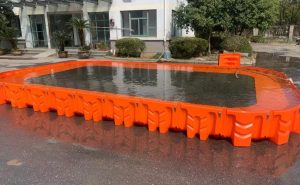
A hydrostatic pressure test checks how well a flood barrier holds back water. This method uses a temporary structure, called a coffer dam, to create a pool of water against the barrier. You can use sandbags, inflatable bladders, or other materials to build the dam.
Fill the area between the dam and the barrier with water. The water level should reach the height you expect during a flood. Use a measuring stick to check the depth and make sure it matches your test plan.
Observe for Leaks
Watch the protected side of the barrier closely during the test. Look for any signs of water seeping through seams, joints, or the seal area. Even a small drip can show a weak spot in your flood protection.
Check the bottom edge and corners first. Water often finds the easiest path through these areas. Use a flashlight to spot tiny leaks that might be hard to see in normal light.
Record your observations in a table like the one below:
| Location | Leak Detected (Yes/No) | Notes |
|---|---|---|
| Left corner | No | |
| Center joint | Yes | Slow drip observed |
| Right edge | No |
Take photos of any leaks for your records. Good documentation helps you track repairs and improvements over time.
Safety Precautions
Hydrostatic testing uses a large amount of water. Always think about safety before you start. Make sure the area is clear of people and valuable items.
Wear waterproof boots and gloves to protect yourself. Water can make surfaces slippery, so move carefully around the test site. If you see a sudden increase in leaks or hear strange noises, stop the test right away.
Dispose of the test water safely when finished. Follow local rules for draining water to avoid harming the environment. Clean up the area and check the barrier again after the test.
Hydrostatic or coffer dam tests give you the most realistic results. They show how your barrier will perform during a real flood. Regular hydrostatic testing helps ensure your flood protection stays strong year after year.
Compliance and Documentation
Follow Testing Standards
Testing standards help ensure the integrity of your flood barrier. Always use recognized guidelines for each test flood barrier procedure. Standards like FM Approval Standard 2510 set clear requirements for flood barrier inspection and performance testing.
A flood mitigation device inspection must follow these standards to guarantee maximum flood protection. Check the manufacturer’s instructions before starting any inspection or test. Standards help maintain system integrity and keep your barrier ready for a flood.
Testing also includes regular inspections and performance testing. These steps confirm that the barrier works as intended. Standards protect your investment and help prevent failures during a flood event.
Record Results and Schedule Maintenance
Documenting your inspection and testing results is essential. Create a logbook or digital file for each flood barrier inspection. Record the date, time, and details of every test and inspection.
Use a table to organize your findings:
| Date | Procedure | Results | Maintenance Needed | Notes |
|---|---|---|---|---|
| 2024-06-10 | Hose Test | No leaks | None | Good seal observed |
| 2024-06-11 | Chalk Test | Small gap found | Seal replacement | Scheduled repair |
Scheduling maintenance after each inspection keeps your flood barrier in top condition. Plan regular flood control maintenance to address any issues found during testing. Maintenance ensures maximum flood protection and extends the life of your barrier.
Proper documentation supports compliance with standards. It also helps you prepare for future floods. Keeping clear records makes it easier to spot patterns and schedule timely repairs.
Regular inspections, testing, and maintenance protect your property. Following standards and documenting every procedure ensures your flood barrier stays reliable.
Conclusion
Effective sealing verification ensures dependable protection against water intrusion. Through routine inspections, practical testing methods such as chalk, hose, and hydrostatic checks, and strict documentation, potential weaknesses can be identified early and corrected before failure occurs. Following recognized standards also improves consistency and maintenance planning. Ultimately, systematic testing and upkeep safeguard property and ensure reliability when it matters most for a flood barrier.
Have questions about your flood barrier’s performance, or need expert guidance on inspection and testing? Our team specializes in flood barrier solutions tailored to your specific site conditions and compliance requirements. Reach out today for a consultation — we’ll help you identify vulnerabilities, meet testing standards, and keep your barrier performing at its best when it matters most.