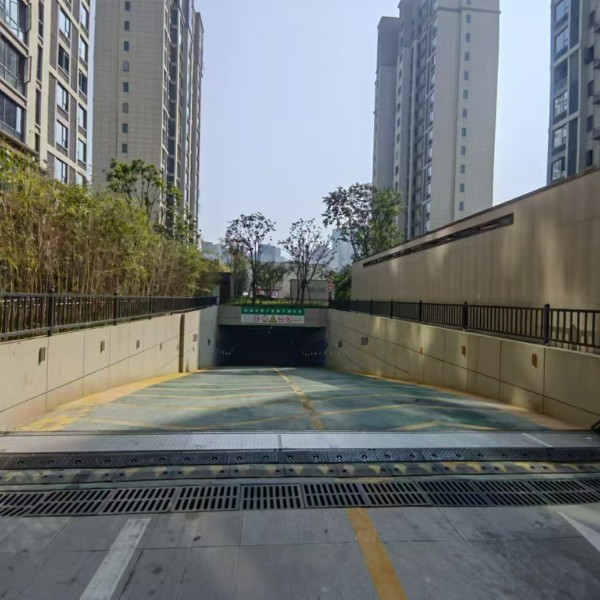
Self Rising Automatic Flood Defense Barrier for Garage Entrance NEWFLAG manufactures reliable automatic flood defense barrier for garage entrance. It

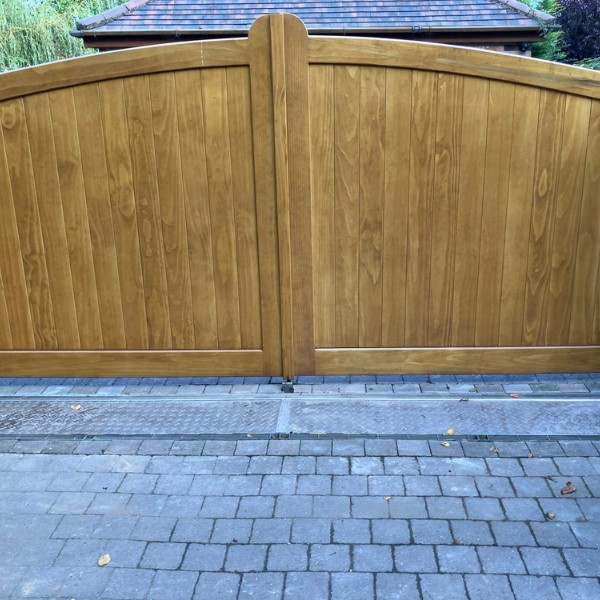
NewFlag is a professional manufacturer and supplier of automatic flip up flood barrier. This passive, self-activating protection is designed for buildings exposed to frequent flooding. It stays hidden at ground level and automatically rises when floodwater approaches. The system requires no electricity, no manual setup, and provides strong, stable flood defense for entrances, driveways, warehouses, commercial buildings, and critical infrastructure.
Our automatic flood barrier delivers fast, passive protection through a self-activating mechanism. When rising water reaches the trigger point, hydrostatic pressure forces the stainless-steel panel to flip up from the ground, forming an immediate barrier without electricity or manual operation.
This automatic flip-up action ensures reliable deployment even during power failures or when no staff is on-site. During normal use, the barrier stays fully flush with the ground, allowing vehicles and pedestrians to move smoothly through doorways and driveways without any obstruction.
NewFlag supports customized widths, heights, and installation depths to meet different project requirements. This automatic flip up flood barrier is ideal for warehouses, basements, and underground parking that need dependable, low-maintenance protection against sudden water intrusion.
FLOOD HEIGHT:
H0.6-H1.5meter to be customized as per request;
LENGTH:
Fits the doorway width between side walls (Supply in module);
OVER-PASS WEIGHT:
Allow vehicle within 4.5 Metric Tons (higher strength can be customized if required)
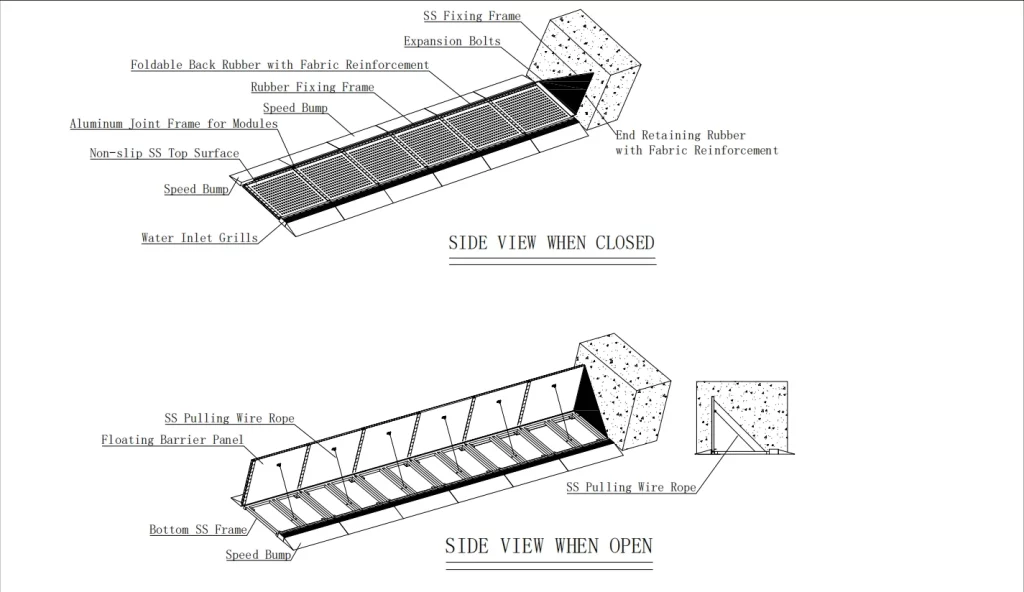
The system stays level with the ground, allowing vehicles, forklifts, and pedestrians to move freely. Daily operations remain uninterrupted, unlike removable or swing-type barriers.
The barrier lifts the moment rising water pushes against it. No motors, no wiring, and no operator are needed. The flip-up action provides immediate, reliable protection during sudden floods.
Once water recedes, the barrier returns to its lowered position without complex post-flood work. Entrances resume normal access quickly.
With no electrical components or sensors, the system avoids common storm-related failures. Mechanical activation keeps maintenance needs low.
1. Underground Parking Entrances
Ideal for ramps where water flows quickly downhill. The barrier stays hidden during daily traffic and flips up instantly during heavy rain.
2. Commercial Building Entrances
Suitable for hotels, offices, and retail shops that require open access. It provides automatic flood protection without interrupting customer movement.
3. Warehouses & Loading Areas
Frequent forklift and truck activity makes a flush design essential. The barrier allows smooth operation and blocks water the moment levels rise.
4. Industrial Plants & Utility Facilities
Protects low-lying technical rooms, production areas, and substations. Automatic activation helps reduce downtime and equipment damage.
5. Driveways & Sloped Ramps
Stops fast-moving surface water at the entrance of residential or commercial garages, preventing basement flooding.
6. Coastal & Waterfront Properties
Resists corrosion and repeated storm exposure, making it suitable for riverfront, port, and coastal developments.
7. Public Infrastructure Access Points
Used for tunnels, pump rooms, and service corridors where continuous access is required but automatic flood protection is necessary.
Installation Technical Requirements:
The overall installation accuracy is 5 mm, and ground flatness must be ≤3 mm/m. According to site conditions, it can be installed in two ways:
① Ramp form, directly sitting on the existing ground with speed bumps on both sides (product height when closed is approximately 55–60 mm above the ground);
② Embedded form, with the top surface flush with the ground by slotting the floor to create a containing space.
The lightweight barrier panel has high strength, weighing about 18.5 kg/square meter, and can withstand vehicle loads of 4.2 metric tons. We can customize the barrier panel for heavier requirements, including container trucks.
An alarming system is optional if required.
Self Rising Automatic Flood Defense Barrier for Garage Entrance NEWFLAG manufactures reliable automatic flood defense barrier for garage entrance. It
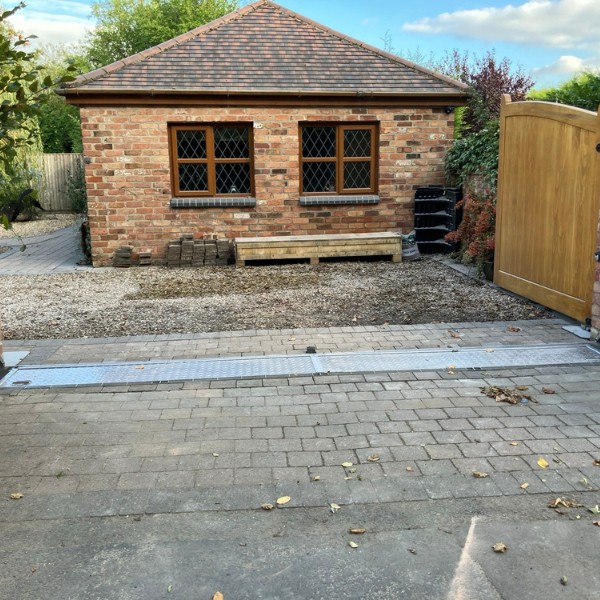
Hydrodynamic Auto Flip-Up Flood Barrier NewFlag is a professional manufacturer and supplier of automatic flip up flood barrier. This passive,
A hydrodynamic auto flip-up flood barrier is a recessed, in-ground flood control system that stays flush with the floor during daily operation. When floodwater approaches the protected area, hydrodynamic pressure pushes the barrier upward, forming a rigid vertical wall. Because the system operates without motors, sensors, or electrical circuits, it delivers passive protection during power outages and sudden storms.
The primary design objective is to provide automatic deployment, zero operational interference, and minimal maintenance, making it suitable for entrances where frequent vehicle or pedestrian movement prevents the use of fixed flood gates.
1. The Barrier in Its Resting Position
Under normal conditions, the panel lies horizontally in a recessed pit, fully flush with the ground. Forklifts, cars, and pedestrians pass over it without obstruction. The pit houses the hinge structure, frame, seals, and activation chamber. As long as water is not entering, the system remains inactive.
2. Rising Water Enters the Activation Chamber
During rainfall or external flooding, water begins to flow toward the entrance. A portion of this water enters the activation chamber underneath the panel. The hydrodynamic design ensures that the rising water makes contact with the correct pressure surface beneath the barrier.
3. Hydrodynamic Pressure Builds
As more water accumulates, the pressure inside the activation chamber increases. This pressure pushes upward against the underside of the stainless-steel panel. The system requires no electronics because the water level alone determines activation.
4. The Panel Rotates Upward
Once the pressure exceeds the system’s activation threshold, the barrier begins to lift. The hinge line provides a pivot rotation that allows the panel to swing upward smoothly. The rising panel blocks the opening and channels incoming water away from the protected area.
5. The Barrier Self-Locks
As the panel reaches its deployed position, structural elements lock into place. When floodwater continues pressing against the vertical surface, the hydrodynamic force actually increases stability. The higher the water load, the stronger the barrier stands.
6. Deactivation After Flooding
After water recedes, the barrier returns to its resting position. In most cases, minimal manual guidance or a simple check ensures the panel settles properly into the pit.
Stainless Steel Frame
The frame uses stainless steel to support long-term outdoor use. It resists corrosion and stays stable during repeated flood events. The frame holds the hinge system firmly in place and keeps the entire structure aligned with the ground. Its rigidity helps the barrier maintain shape under rising water pressure. This material choice suits coastal areas, underground parking entrances, industrial zones, and commercial sites that face frequent wet and dry conditions.
Aluminum Alloy Barrier Panel
The flip-up barrier panel, which sits flush with the ground, is made of aluminum alloy. Its lower weight allows smoother lifting when hydrodynamic pressure triggers the flip-up action. The reduced mass also puts less load on the hinge and pivot components, improving long-term reliability. The alloy resists oxidation and supports quick, consistent movement, making it practical for sites that demand efficient operation.
1. Material Selection
The choice between stainless steel and aluminum alloy affects durability, corrosion resistance, weight, and long-term performance. Stainless steel offers stronger rigidity and corrosion resistance, while aluminum alloy provides lighter operation and easier lifting.
2. Required Flood Protection Height
Different locations face different flood levels. The barrier must match the site’s protection height to ensure reliable activation and structural stability.
3. Available Installation Depth
Flip-up barriers require an underground pit. The site’s foundation depth and available space determine the size and type of barrier that can be installed.
4. Traffic Load Requirements
If the barrier sits in a driveway or warehouse entrance, it must withstand vehicle or forklift traffic. Load rating should match real usage conditions.
5. Activation Conditions
Hydrodynamic systems depend on water flow entering the activation chamber. The site layout must allow proper water access for accurate flip-up timing.
402, NO.15, Senmao Rd., Jiangyin, Wuxi City, Jiangsu Province, China, 214400
+86 189 6162 8536
keanu916
+86 189 6162 8536
keanu@newflagtech.com