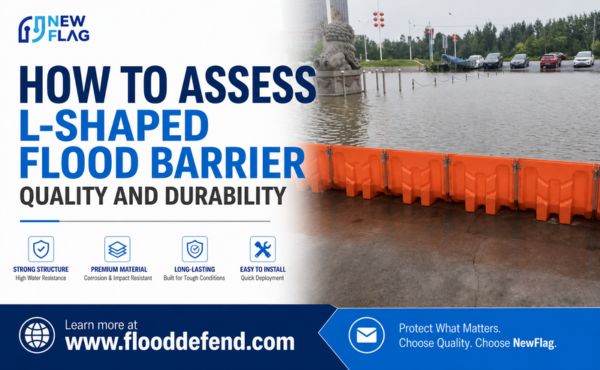
Choosing a reliable L-Shaped Flood Barrier requires more than comparing size and price. Material strength, structural stability, sealing performance, weather resistance, and repeated-use durability all affect long-term flood protection. A careful quality assessment helps property owners and project buyers reduce leakage risks, avoid premature replacement, and improve site safety. This article explains the key factors to inspect before purchasing or installing a barrier.
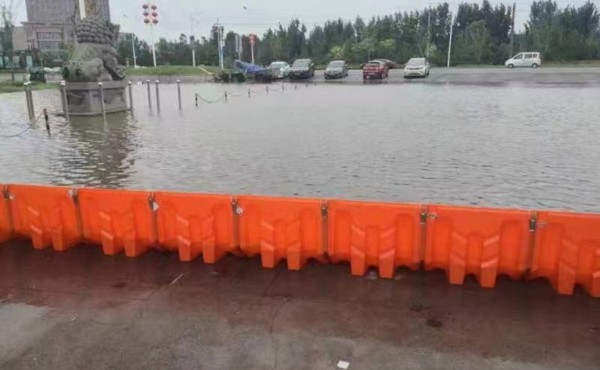
Assess L-Shaped Flood Barrier Materials
ABS Plastic vs. Traditional Materials
L shaped flood barriers use different materials for flood protection. ABS plastic offers greater strength than wood or metal. It resists cracking and absorbs impact during floods.
ABS plastic does not rust or rot. This makes it a reliable choice for a flood protection barrier. Many l shaped flood barriers made from ABS plastic last longer in harsh weather.
Traditional materials can weaken over time. Wood absorbs water and metal corrodes. ABS plastic maintains strength and shape, even after repeated use.
Structural Integrity and Thickness
Strength is a key factor in l shaped flood barriers. Check the thickness of each barrier. Thicker walls provide better flood protection and resist bending.
Inspect the structure for solid joints and uniform surfaces. High-quality flood barrier designs use reinforced corners. This prevents leaks and improves strength.
Use a table to compare thickness and strength:
| Material | Typical Thickness | Strength Rating | Durability |
|---|---|---|---|
| ABS Plastic | 8-12 mm | High | Excellent |
| Metal | 6-10 mm | Medium | Good |
| Wood | 10-15 mm | Low | Fair |
Choose l shaped flood barriers with strong materials and proper thickness. This ensures the flood protection barrier can withstand heavy water pressure.
Corrosion and Impact Resistance
L shaped flood barriers must resist corrosion and impacts. ABS plastic does not corrode, even when exposed to water for long periods. Metal barriers may rust, and wood barriers can rot.
Strength against impact is important for flood protection. ABS plastic absorbs shocks from floating debris. This keeps the flood protection barrier intact during storms.
Tip: Inspect l shaped flood barriers for scratches or dents. These signs may show weak spots. Replace damaged barriers to maintain strength.
High-quality flood barrier materials improve safety and durability. Choose l shaped flood barriers that resist corrosion and impacts. This ensures reliable flood protection for homes and businesses.
Design Standards and Installation
Stability on Flat Surfaces
L shaped flood barriers work best on flat, paved surfaces. These surfaces help the barriers stay upright and prevent gaps. Uneven ground can cause leaks and reduce flood protection.
Flat surfaces allow for easy deployment. Workers can place l shaped flood barriers quickly and safely. This improves deployment speed during emergencies.
Note: Always check the ground before installing l shaped flood barriers. Remove debris and smooth out bumps for better stability.
Load Capacity for Flood Protection
L shaped flood barriers must handle strong water pressure. Each barrier has a load capacity rating. This rating shows how much water force the barrier can resist.
Choose l shaped flood barriers with high load capacity for reliable flood protection. Check the manufacturer’s specifications before purchase. Strong barriers protect homes and businesses from rising water.
| Barrier Type | Load Capacity (kg/m²) | Suitable For |
|---|---|---|
| Standard ABS Plastic | 800 | Residential Areas |
| Reinforced ABS Plastic | 1200 | Commercial Sites |
| Metal | 1000 | Industrial Zones |
L shaped flood barriers with proper load capacity ensure easy deployment and lasting protection.
Proper Installation Practices
Follow manufacturer instructions for installing l shaped flood barriers. Correct placement prevents leaks and improves flood protection. Workers should align each barrier tightly to avoid gaps.
Use the following steps for easy deployment:
- Inspect the installation site for flatness.
- Place l shaped flood barriers side by side.
- Secure joints and corners as directed.
- Test for stability before finishing.
Tip: Regular training helps workers install l shaped flood barriers faster and safer.
Proper installation increases the effectiveness of l shaped flood barriers. It also extends their service life and ensures easy deployment in future events.
Durability Testing and Real-World Performance
Lab Testing for Durable Flood Control Barriers
Lab tests help measure the strength and reliability of durable flood control barriers. Engineers use water pressure machines to simulate flood conditions. They check for leaks, cracks, and bending under stress.
Common tests include:
- Impact resistance tests
- Water absorption tests
- Load capacity tests
Results from these tests show how well durable flood control barriers perform in extreme situations. These tests reveal key durability factors that affect long-term protection.
Field Results and User Feedback
Real-world performance matters for durable flood control barriers. Users report how barriers hold up during floods. They share feedback about installation, stability, and effectiveness.
Field results often include:
- Time taken for deployment
- Performance during heavy rain
- Maintenance needs after use
A table can help compare lab and field results:
| Test Type | Barrier Strength | Leak Resistance | User Satisfaction |
|---|---|---|---|
| Lab Testing | High | Excellent | N/A |
| Field Results | Medium to High | Good | High |
User feedback helps improve future designs. It also guides buyers in choosing durable flood control barriers.
Reusability and Long-Term Effectiveness
Durability and reusability are important for flood protection. Durable flood control barriers should withstand multiple uses without losing strength. Barriers that resist damage can be reused after each flood event.
Tips for maximizing durability and reusability:
Store barriers in dry, clean areas after use. Inspect for damage before redeployment.
Barriers with high durability and reusability save money and reduce waste. They provide reliable protection year after year.
Maintenance and Longevity
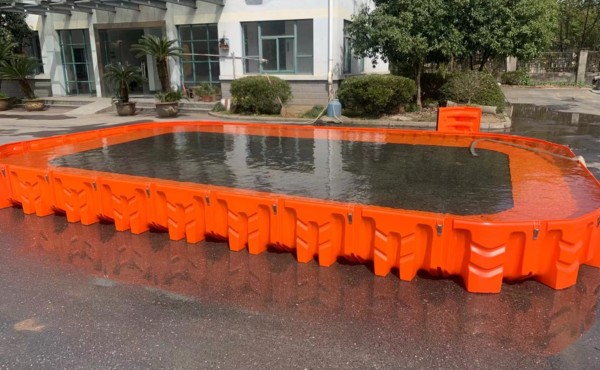
Cleaning and Storage
Proper cleaning keeps l shaped flood barriers in good condition. Rinse barriers with clean water after each use to remove dirt and debris. Dry them completely before storing to prevent mold or mildew.
Store barriers in a cool, dry place. Stack them carefully to avoid bending or warping. Use a cover to protect from sunlight and dust.
Tip: Inspect barriers for cracks or damage before storing. Early detection helps prevent bigger problems later.
Maximizing Service Life
Regular checks extend the service life of flood barriers. Look for signs of wear, such as scratches or loose joints. Replace damaged parts right away.
Follow the manufacturer’s maintenance schedule. Lubricate moving parts if needed. Keep a record of inspections and repairs for better tracking.
A simple checklist can help:
- Inspect for visible damage
- Clean after every use
- Store in a dry location
- Repair or replace damaged sections
These steps support the longevity of your flood protection system.
Sustainability and Environmental Impact
Choose barriers made from recyclable materials when possible. ABS plastic can often be recycled, which reduces waste. Reusable barriers lower the need for new products and help the environment.
Proper maintenance also cuts down on waste. Barriers that last longer do not need frequent replacement. This approach supports both cost savings and environmental responsibility.
Conclusion
Assessing material quality, structural strength, load capacity, installation requirements, testing results, and maintenance needs is essential when selecting an L-Shaped Flood Barrier. A well-designed, impact-resistant, and reusable barrier can reduce leakage risks, improve emergency deployment, and deliver long-term value for residential, commercial, and industrial sites. Careful evaluation before purchase helps ensure dependable flood protection, lower replacement costs, and consistent performance during repeated flood events.