Flood barriers are essential tools to prevent garage flooding in underground parking structures. Many modern systems use self-rising technology that works automatically, even if the power goes out or no one is present. Water can cause severe damage to vehicles, equipment, and the structure itself, so strong flood protection is critical. Intake structures and dry-floodproofed entries above the base flood elevation help floodproof the garage and keep water out during major storms.
Why Underground Parking Structures Are at High Flood Risk
Below-Ground Design Creates Natural Flood Exposure
Underground parking structures sit below the surface of the ground. This design makes them more likely to collect water during heavy rain or flooding events. Water always seeks the lowest point, so these garages often become the first place where water gathers.
The walls and floors of underground garages can also let water seep in from the surrounding soil. Even small cracks or gaps can allow moisture to enter. Over time, this can lead to bigger problems if there is no proper protection.
Common Sources of Underground Parking Flooding
Several factors can cause flooding in underground parking areas:
- Heavy rainfall can overwhelm local drainage systems.
- Rising groundwater can push water through the floor or walls.
- Broken water mains or plumbing leaks can send large amounts of water into the garage.
- Storm surges or river floods can force water into low-lying structures.
Each of these sources can lead to sudden and severe flooding. Property owners must stay alert to these risks.
Consequences of Flood Damage
Flooding in underground parking structures can cause serious damage. Water can ruin vehicles, electrical systems, and stored items. Mold and mildew may grow if the area stays wet for too long.
Structural damage is also a major concern. Water can weaken concrete and steel, leading to costly repairs. Good flood protection helps prevent these problems and keeps the building safe for everyone.
Critical Entry Points That Require Protection
Vehicle Entrance Ramps
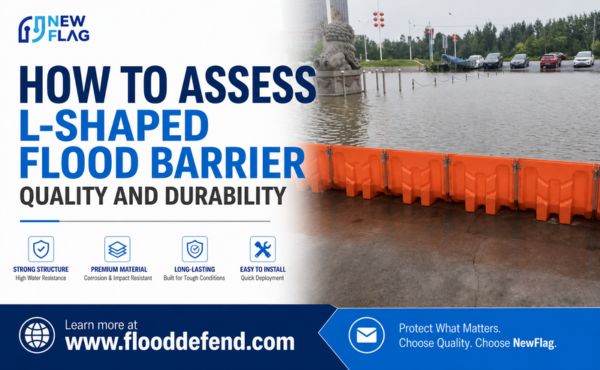
Vehicle entrance ramps are the main paths for cars to enter and exit underground parking structures. These ramps often slope downward, which makes them natural channels for water to flow into the garage. Flood barriers at these ramps are essential for blocking water before it reaches the lower levels.
Pedestrian Access Doors
Pedestrian doors allow people to enter and leave the parking area. These doors can become weak spots during heavy rain or flooding. Sealing these doors with flood barriers helps maintain the safety of the entire structure.
Loading Bays and Service Entrances
Loading bays and service entrances are used for deliveries and maintenance. These areas are usually larger and may stay open for longer periods. Installing barriers at these points provides extra protection against water intrusion.
Ventilation Openings
Ventilation openings are necessary for air flow and removing exhaust fumes. However, these openings can also let water enter during a flood. Special covers or barriers can keep water out while still allowing air to circulate.
Utility and Equipment Rooms
Utility and equipment rooms often contain electrical panels, pumps, and other important systems. Water entering these rooms can cause major damage and disrupt building operations. Flood barriers at these entry points help protect critical infrastructure.
Elevator Shafts and Stairwells
Elevator shafts and stairwells connect the parking garage to the rest of the building. Water entering these spaces can travel quickly to other floors. Proper protection at these points is vital to prevent water from spreading and causing more damage.
Types of Flood Barriers Used for Underground Parking Structures
Removable Flood Barriers
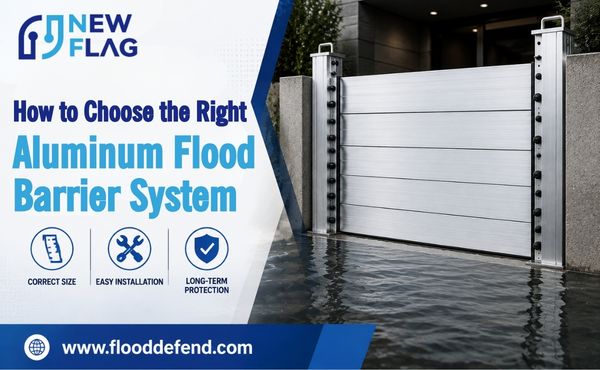
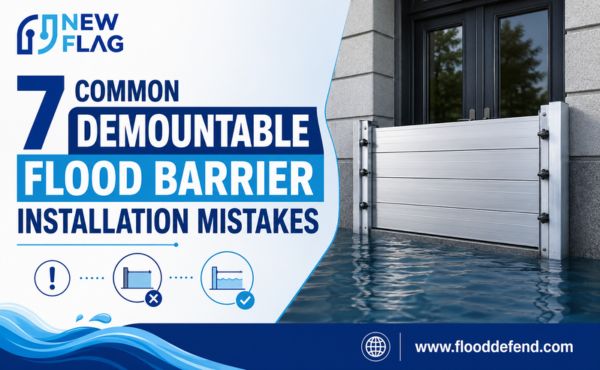
Removable flood barriers are panels or planks that can be set up before a storm. Property staff install these barriers across doorways, ramps, or other openings. After the flood risk passes, the barriers can be taken down and stored for future use.
These barriers are lightweight and easy to handle. They work well for locations where flooding does not happen often. Regular training helps ensure quick and proper installation.
Automatic Flood Barrier
An automatic flood barrier system activates when water reaches a certain level. These barriers rise or close without human help. They protect entry points even if no one is present during a flood.
Automatic floodgates are a type of automatic barrier. They use sensors to detect water and respond quickly. This technology reduces the risk of human error.
Inflatable Flood Barriers
Inflatable flood barriers use air or water to form a seal against floodwaters. Workers can deploy them quickly when a flood warning is issued. These barriers are flexible and can fit many shapes and sizes of openings.
Inflatable barriers are useful for temporary protection. They are easy to store and transport. Many facilities use them as part of their overall flood barrier system.
How Flood Barriers Protect Underground Parking Facilities
Preventing Water Entry at Access Points
Flood barriers stop water from entering underground parking garages. These systems block water at ramps, doors, and other openings. This first line of defense keeps the interior dry during storms.
Protecting Vehicles and Stored Assets
Vehicles and stored items face high risk during floods. Flood barriers keep water away from cars, bicycles, and storage lockers. This protection helps prevent costly losses and damage.
Safeguarding Electrical and Mechanical Equipment
Many garages have electrical panels, pumps, and control systems. Water can damage these systems and cause power failures. Flood barriers provide a shield that keeps equipment safe and working.
Reducing Structural Damage and Corrosion
Floodwater can weaken concrete and metal. Over time, this leads to cracks, rust, and expensive repairs. Using flood control solutions helps maintain the strength of the building.
Maintaining Building Operations During Flood Events
Flood protection allows daily operations to continue, even during heavy rain. Tenants and visitors can use the parking area without worry. This reliability is important for both safety and convenience.
Lowering Repair and Insurance Costs
Effective protection reduces the need for repairs after a flood. Insurance claims may also decrease when damage is prevented. Property owners can save money and avoid long-term problems.
Key Features to Consider When Selecting Flood Barriers

When choosing flood barriers for underground parking structures, property owners should focus on several important features. These features help ensure reliable protection and long-term performance.
Certified Water Resistance Performance
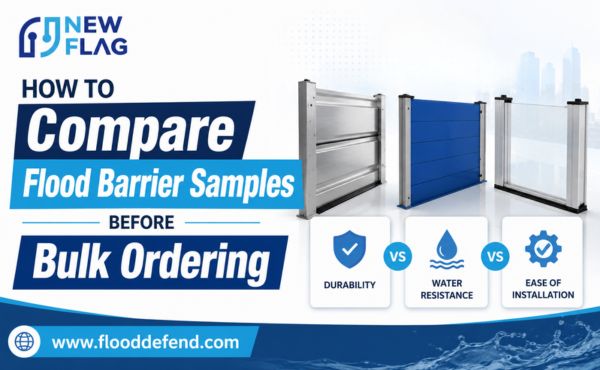
Flood barriers must meet strict water resistance standards. Certified products have passed tests that show they can block water under real flood conditions. Always check for certification before making a decision.
Barrier Height and Flood Rating
The height of a barrier determines how much water it can stop. Flood rating tells you the maximum water level the barrier can handle. Select a barrier that matches the expected flood risk in your area.
Deployment Speed
Fast deployment is critical during sudden storms. Automatic systems activate quickly without human help. Removable barriers should be easy to set up in a short time.
Ease of Operation
Simple operation reduces mistakes. Look for barriers that require little training. Automatic and self-closing barriers offer the most convenience.
Durability and Corrosion Resistance
Flood barriers face harsh conditions. Materials must resist rust and wear from water and chemicals. Durable barriers provide permanent flood protection and reduce replacement costs.
Maintenance Requirements
Low-maintenance barriers save time and money. Regular checks keep the system ready for emergencies. Choose barriers with clear maintenance instructions.
Compliance With Local Flood Regulations
Local rules may set standards for flood protection. Make sure your barriers meet all legal requirements. This step helps avoid fines and ensures your flood control solutions are effective.
Conclusion
Flood barriers provide strong protection for underground parking structures. Proactive flood protection, such as self-rising barriers and dry-floodproofed entries, helps prevent costly damage. Property owners and managers should assess their flood risk and seek expert advice to choose the best solutions for their buildings.