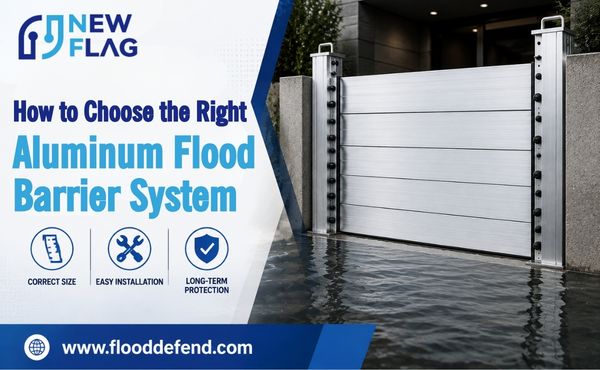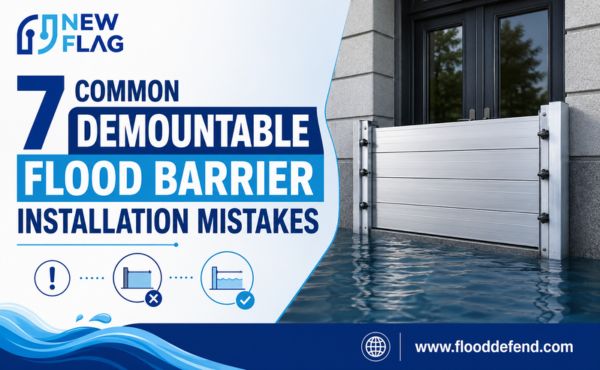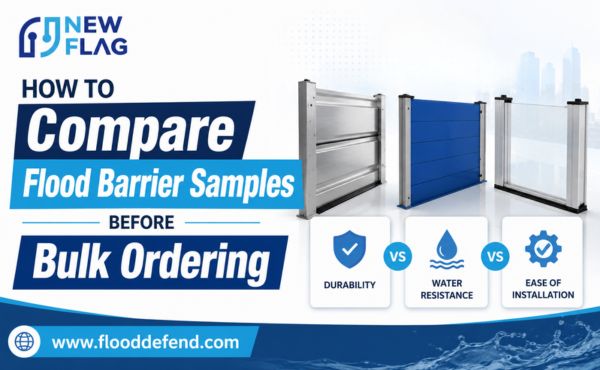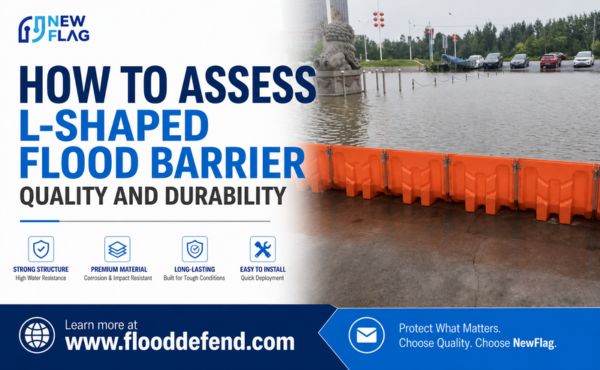
Flood Barriers create a strong shield that blocks floodwaters from entering data centers. Water can cause serious damage to servers and important equipment. Protecting data centers helps keep operations running and keeps information safe. Taking action before floods happen reduces risks and avoids costly repairs.

Why Flooding Is a Major Risk for Data Centers
Rising Flood Risks and Extreme Weather Events
Floods have become more common in recent years. Many areas experience extreme weather events that bring heavy rain and storms. These events can cause flooding that threatens data centers. Climate change increases the chance of floods in places that did not face such risks before. Data centers must prepare for these changes to protect their data and equipment.
Common Sources of Water Damage in Data Centers
Water damage can come from several sources. Floods from rivers or heavy rain are the most obvious. Broken pipes and leaks inside the building can also cause water damage. Sometimes, water enters through doors, windows, or walls during a flood. Data centers often have underground rooms or basements that are at higher risk.
- Floods from outside the building
- Leaks from plumbing systems
- Water entering through cracks or gaps
- Stormwater backup
Each source of water damage can harm servers and data storage systems. Data centers must watch for all possible risks.
The Cost of Data Center Flood Damage
Flood damage can lead to high costs for data centers. Repairs for water damage often require replacing expensive equipment. Floods can cause downtime, which means data is not available when needed. Lost data can affect businesses and customers. Insurance may cover some costs, but not all.
| Impact | Description |
|---|---|
| Equipment Loss | Servers and hardware replacement |
| Downtime | Data unavailable for hours or days |
| Recovery Costs | Cleanup and restoration expenses |
| Lost Data | Permanent loss of important files |
Flooding can disrupt operations and cause lasting harm. Data centers must invest in protection to avoid these costs.
Why Traditional Building Protection Is Not Enough
Vulnerable Entry Points in Data Centers
Many data centers rely on standard building designs for safety. These designs often leave gaps that water can use to enter. Doors, windows, and vents are common weak spots. Water can also seep through cracks in walls or floors. Loading docks and cable entry points create more risk.
Main entry points for water:
-
- Exterior doors
- Windows and glass panels
- Air vents and ducts
- Utility and cable openings
- Basement access points
How Water Can Reach Critical Systems
Water does not need much space to cause harm. Once inside, it can move quickly toward important areas. Server rooms often sit on lower floors, making them easy targets. Power systems and network cables usually run under raised floors. Water can collect there and reach equipment before anyone notices.
| Area at Risk | Possible Impact on Data |
|---|---|
| Server Rooms | Loss of stored data |
| Power Distribution | Shutdown of data centers |
| Network Systems | Data transfer interruptions |
| Cooling Equipment | Overheating and data loss |
Data centers store and process large amounts of data every day. If water reaches these systems, it can stop operations and destroy data. Traditional building protection does not block all paths that water can take. Flood barriers add a stronger layer of protection for data centers and the valuable data inside.
How Flood Barriers Protect Critical Data Center Infrastructure
Protecting Server Rooms and IT Equipment
Flood barriers play a key role in flood prevention for data centers. These barriers block water from reaching server rooms, which house servers and sensitive IT equipment. Water can cause physical damage to servers and lead to data loss. Flood barriers act as a shield, stopping water from entering through doors, walls, or underground spaces. Many data centers use flood mitigation techniques, such as raised floors and sealed entry points, but flood barriers add extra protection.
Protecting Power Distribution and UPS Systems
Power distribution systems and UPS units keep data centers running during disasters. Flood barriers prevent water from reaching these systems. If water enters, it can cause outages and disrupt data access. Flood barriers surround electrical rooms and block water from cable openings. This helps maintain power during flood events and supports disaster recovery.
Benefits of flood barriers for power systems:
-
- Reduce risk of outages
- Protect backup power units
- Support continuous data operations
Protecting Cooling and HVAC Equipment
Cooling systems and HVAC units control temperature in data centers. Flood barriers protect these systems from water damage. If cooling systems fail, servers can overheat and data may be lost. Flood barriers keep water away from equipment rooms and air ducts. This helps maintain safe temperatures and prevents disaster-related shutdowns.
| Equipment Protected | Impact of Flood Barriers |
|---|---|
| Cooling systems | Prevent overheating |
| HVAC units | Maintain air quality |
| Server racks | Reduce risk of data loss |
Protecting Network and Communication Systems
Network and communication systems connect data centers to users and other facilities. Flood barriers stop water from reaching cables, switches, and routers. Water can interrupt data transfer and cause disaster-related downtime. Flood barriers seal entry points and protect underground network lines. This ensures data stays available and communication remains strong during flood events.
How Flood Barriers Support Business Continuity
Reducing Downtime During Flood Events
Flood barriers help data centers stay open during storms. These barriers block water from entering critical areas. When floodwaters rise, barriers keep server rooms dry. This protection prevents business downtime and keeps data center uptime high. Many facilities use storm proofing strategies to reduce risks. Flood barriers work with other mitigation tools, such as commercial water leak detection systems. These systems alert staff when water threatens equipment. Quick action stops data loss and keeps operations running.
Lowering Recovery and Repair Costs
Flood barriers lower the cost of recovery after a flood. Data centers often spend large amounts on repairs when water damages equipment. Barriers stop water before it reaches valuable assets. This mitigation reduces the need for expensive replacements. Storm proofing strategies also help limit cleanup costs. Facilities that use flood barriers see fewer losses and faster recovery times. Protection from water damage means less money spent on restoration.
| Cost Factor | With Flood Barriers | Without Flood Barriers |
|---|---|---|
| Equipment Repair | Low | High |
| Data Recovery | Fast | Slow |
| Cleanup Expenses | Minimal | Extensive |
| Business Downtime | Short | Long |
Flood barriers offer strong protection and help data centers save money after storms.
Supporting Disaster Recovery Planning
Disaster recovery planning is important for data centers. Flood barriers play a key role in these strategies. Facilities use storm proofing to prepare for floods and other emergencies. Barriers protect data and equipment, making recovery easier. Disaster recovery teams rely on mitigation tools to keep data safe. Flood barriers support these strategies by blocking water and reducing risks. Data centers that plan ahead recover faster after storms.
Improving Facility Resilience
Resilience means a data center can handle storms and keep working. Flood barriers boost resilience by stopping water from reaching critical systems. Facilities use storm proofing strategies to strengthen their defenses. Permanent barriers offer long-term protection. Deployable barriers provide flexible mitigation during emergencies. Both types help data centers stay open and protect data. Resilience improves when barriers work with other mitigation tools, such as leak detection and backup power systems.
Ways flood barriers improve resilience:
-
- Block water from server rooms
- Protect power and cooling systems
- Support disaster recovery strategies
- Reduce downtime and data loss
Types of Flood Barriers Used in Data Centers
Data centers use different types of flood barriers for storm proofing and mitigation. Permanent barriers stay in place and offer continuous protection. Deployable barriers can be set up quickly when storms approach. Both types help keep data safe and support disaster recovery strategies.
Permanent flood barriers:
- Concrete walls
- Steel Flood Door
- Raised entry thresholds
Deployable flood barriers:
- L Shaped Flood Barrier
- Demountable Flood Barrier
- Sandbag systems
Facilities choose barriers based on their needs and site design. Storm proofing strategies often combine both types for maximum protection.
Integrating Flood Barriers with Disaster Preparedness and Site Design
Flood barriers work best when they are part of a larger disaster preparedness plan. Data centers use mitigation strategies to protect against storms and floods. Site design includes placing barriers at entry points and around critical systems. Commercial water leak detection systems add another layer of protection. These strategies help data centers respond quickly to emergencies. Storm proofing improves resilience and keeps data safe.
Key Factors When Choosing Flood Barriers for Data Centers

Required Flood Protection Height
Flood barriers must reach the right height to block water leaks. Data centers need to measure the highest possible flood level. This step prevents damage from rising water. The height of barriers depends on local flood history and site elevation. Water leaks can enter through low doors or windows. Early water leak detection helps staff spot problems before water reaches critical systems.
Installation Location and Access Requirements
Choosing the best place for flood barriers is important. Data centers often have entry points that allow water leaks. Barriers should cover doors, windows, and cable openings. Some areas need easy access for staff and equipment. Water leak detection systems monitor these spots for signs of damage. Placing barriers in the right location stops water leaks from spreading.
Deployment Speed During Emergencies
Flood barriers must deploy quickly during storms. Data centers cannot wait long when water leaks threaten equipment. Fast deployment reduces damage and keeps data safe. Some barriers are permanent, while others are portable. Early water leak detection alerts staff to act fast. Leak detection solutions help teams respond before water leaks cause downtime.
Compliance and Safety Standards
Flood barriers must meet safety rules. Data centers follow local building codes and industry standards. Barriers should resist water leaks and protect against damage. Water leak detection systems must also meet compliance requirements. Staff should check that all equipment follows safety guidelines. Early water leak detection supports safe operations.
| Standard | Purpose |
|---|---|
| Building Codes | Prevent water leaks |
| Safety Rules | Reduce damage |
| Industry Guides | Protect data |
Long-Term Durability and Maintenance
Flood barriers need to last for years. Data centers must inspect barriers for signs of damage. Regular maintenance stops water leaks from weakening protection. Water leak detection systems monitor barriers and alert staff to problems. Leak detection solutions help teams fix issues before damage spreads. Early water leak detection ensures barriers stay strong.
Practical Steps for Implementing Flood Barriers
- Assess the site for water leaks and damage risks.
- Choose barriers with the right height and durability.
- Install water leak detection sensors at entry points.
- Train staff to respond to water leaks and damage alerts.
- Schedule regular maintenance and monitoring.
The Role of Water Leak Detection Systems
Water leak detection systems play a key role in protecting data centers. These systems find water leaks before they cause damage. Early water leak detection gives staff time to act. Leak detection solutions monitor barriers and critical areas. Data centers rely on water leak detection to keep data safe and prevent downtime.
Conclusion
Flood barriers play a vital role in protecting data centers from water damage. Regular maintenance and water leak detection systems help keep these barriers effective. Operators should review their flood protection plans and upgrade them when needed. Strong flood defenses support business continuity and keep valuable data safe.