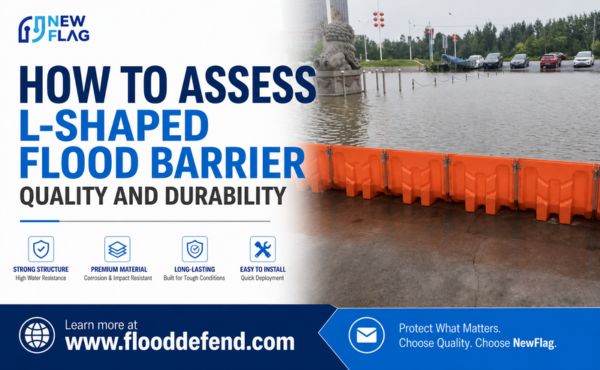
Choosing the right material for L-shaped flood barriers is critical to ensuring long-term durability, structural stability, and reliable flood protection in different environments. Different materials offer varying levels of strength, corrosion resistance, and ease of installation, which directly impact performance during extreme weather events. This article explains how to select the most suitable option for your needs, helping you maximize efficiency and protection.
What Are L-Shaped Flood Barriers
Types Of Flood Barriers And Their Uses
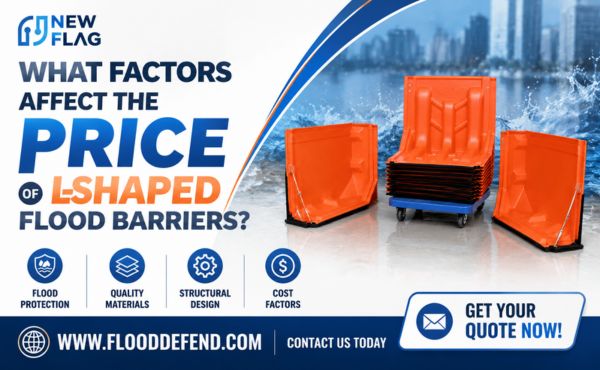
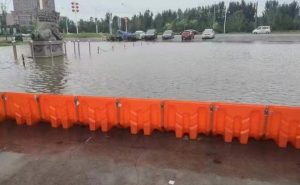
L-shaped flood barriers are a specific design used to block water from entering buildings or areas. The “L” shape comes from the way the barrier sits on the ground, with a horizontal base and a vertical wall. This design helps the barrier resist water pressure and stay stable during floods.
There are several types of flood barriers, each with its own purpose. Some barriers are permanent and stay in place all year. Others are temporary and can be set up quickly when a flood is coming. The most common types of flood barriers include:
- L-shaped barriers: Used for doorways, garages, or low walls.
- Sandbags: Often used for quick, short-term protection.
- Inflatable barriers: Filled with water or air and placed where needed.
- Panel systems: Made of metal or plastic panels that lock together.
Why Material Choice Matters For Flood Protection
The material used in flood barriers affects how well they work and how long they last. Strong materials like steel or aluminum can handle high water pressure and last for many years. Lightweight plastics or composites may be easier to move and install, but might not offer the same strength.
Different types of flood barriers need different materials to perform their best. For example, a barrier for a busy street may need to be stronger than one for a backyard. Material choice also impacts how much maintenance the barrier will need over time.
Choose The Right Material For L-Shaped Flood Barrier
Aluminum And Steel: Strengths And Weaknesses
Aluminum and steel are common choices for l-shaped flood barrier construction. Aluminum offers a lightweight structure and strong resistance to rust. Steel provides high strength and can handle heavy water pressure.
| Material | Durability | Corrosion Resistance | Weight | Maintenance | Cost |
|---|---|---|---|---|---|
| Aluminum | High | Excellent | Light | Low | Medium |
| Steel | Very High | Moderate | Heavy | Medium | High |
Aluminum works well for portable flood barriers because it is easy to move and install. Steel suits permanent flood barriers in areas with high flood risk. Steel may need coatings to prevent rust, especially in wet climates. Aluminum costs less to maintain but may cost more to buy. When you choose the right material, think about how often you will move the barrier and the level of water pressure expected.
PVC, Polyethylene, And ABS Plastic Options
PVC, polyethylene, and ABS plastic are popular for portable flood barriers. PVC stands out for its flexibility and chemical resistance. Polyethylene offers good impact strength and resists cracking. ABS plastic combines toughness with a smooth finish.
- PVC: Lightweight, easy to shape, and resists many chemicals. It works well for temporary or portable flood barriers. PVC does not rust and needs little maintenance.
- Polyethylene: Handles impacts and stays strong in cold weather. It is often used for portable flood barriers that need to bend or flex.
- ABS Plastic: Offers a balance of strength and weight. It is less flexible than pvc but more rigid.
These plastics do not last as long as metal in harsh conditions. They may break down under strong sunlight or extreme temperatures. When you choose the right material, consider how often you will use the barrier and the local weather. PVC is a top choice for homeowners who need quick and easy flood protection. Polyethylene and ABS plastic also work well for portable flood barriers in mild climates.
Composite Materials In Flood Protection Products
Composite materials combine fibers and resins to create strong, lightweight panels. These materials are newer in the world of flood barriers. Composites resist rust, do not rot, and can handle repeated use.
Composites work well for both permanent and portable flood barriers. They offer high strength with less weight than steel. Many composites also resist UV rays and chemicals. When you choose the right material, look at the long-term cost and how much maintenance you want to do. Composites may cost more at first but save money over time.
Choosing the right flood barrier means you must compare all these options. Think about your flood risk, how often you will use the barrier, and your budget. Always choose the right material for your specific needs to get the best protection.
How To Assess Your Flood Protection Needs
Site Conditions And Flood Risk
Start by looking at your location. Check if you live in a flood-prone area or near a river, lake, or coast. Study past flood events and ask local authorities about flood risk maps.
Think about the type of soil and ground around your property. Hard surfaces like concrete can make water flow faster. Soft ground may absorb some water but can also become unstable during floods.
Installation And Maintenance Factors
Consider how easy it is to install your chosen flood defense. Some barriers need professional help, while others are simple enough for homeowners. Look at the tools and time needed for setup.
Maintenance is important for long-term flood protection. Metal barriers may need rust checks, while plastic or composite barriers need cleaning and inspection. Make a schedule to check your barriers before each rainy season.
A table can help you compare installation and maintenance needs:
| Material | Installation Difficulty | Maintenance Level |
|---|---|---|
| Aluminum | Moderate | Low |
| Steel | High | Medium |
| PVC/Plastic | Low | Low |
| Composite | Moderate | Low |
Budget And Environmental Impact
Set a budget for your flood protection plan. Some materials cost more at first but save money over time. Think about both the price of the barrier and the cost to maintain it.
Check the environmental impact of your flood defense choice. Some materials last longer and create less waste. Recyclable or reusable barriers are better for the environment, especially in a flood-prone area.
Expert Tips For Choosing Flood Protection Products
Consult Professionals And Check Regulations
Flood protection solutions work best when they meet local safety standards. Always talk to a flood protection expert before buying or installing any barrier. Experts can help you understand the rules in your area.
Some cities have strict codes for flood barriers. These rules protect homes and businesses from water damage. Ask your local building office about permits or inspections.
Match Material To Your Situation
Every site has different needs. Choose a material that fits your location, flood risk, and how you plan to use the barrier. For example, lightweight and portable barriers are good for homes that need fast and easy deployment.
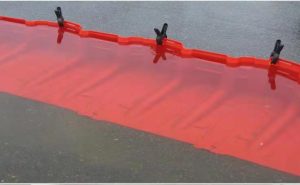
Portable barriers are easy to move and set up. They work well for temporary protection or when you need to cover several spots. Many portable options are reusable and durable, which saves money over time.
If you want minimal environmental impact, look for barriers made from recyclable materials. Some portable barriers use composites or plastics that last for years. These materials also support effective flood protection in many situations.
A table can help you compare portable barrier features:
| Feature | Benefit |
|---|---|
| Lightweight and portable | Easy to move and store |
| Fast and easy deployment | Quick setup during emergencies |
| Reusable and durable | Saves money and reduces waste |
| Minimal environmental impact | Better for the environment |
Choosing the right material and product ensures your flood protection solutions work when you need them most.