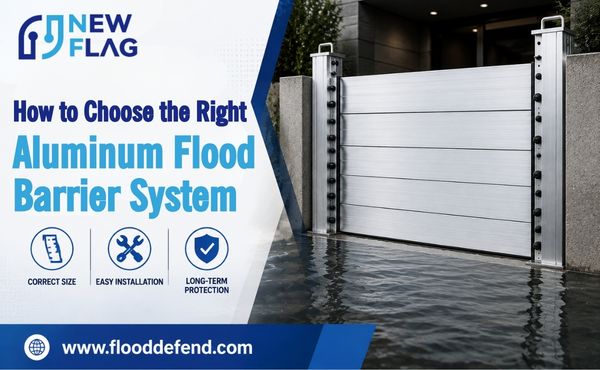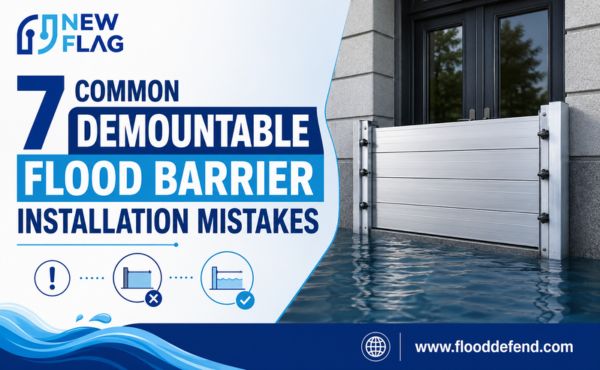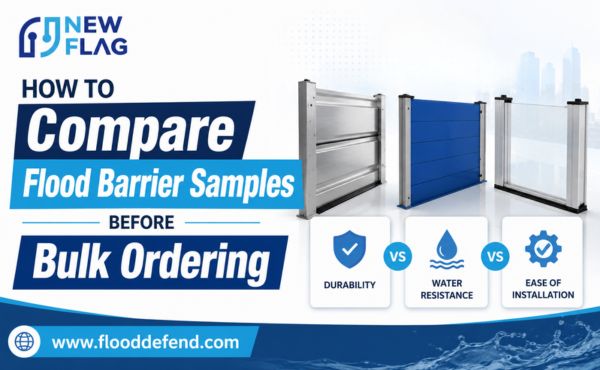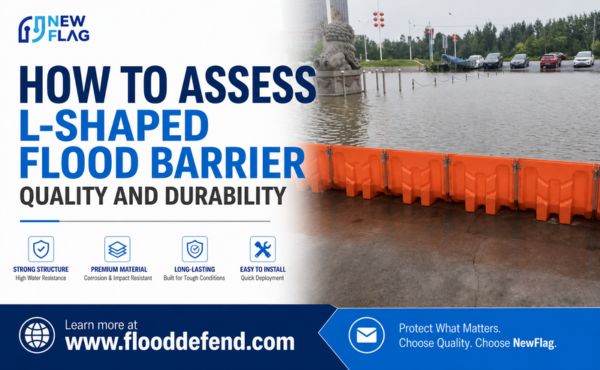
The lifespan of a flood barrier system depends on climate, environment, maintenance, and storage. Materials like steel, concrete, and polymer composites show different durability and maintenance needs, as seen in the table below. Reliable flood protection starts with understanding how these factors influence the system.
| Material | Durability Factors | Maintenance Requirements |
|---|---|---|
| Steel | Maximum structural strength, withstands extreme water forces and debris impact | Requires protective coatings to prevent corrosion |
| Concrete | Heavy-duty protection, stability against powerful currents | Minimal maintenance across decades of service |
| Polymer Composites | Lightweight, chemical resistance, design flexibility | Reduces transportation and installation costs |

Climate and Environmental Impact on Flood Barrier Systems
Effects of Climate Change
Climate change brings more frequent and severe flood events. Many cities in coastal and low-lying areas now face higher risks, which increases the need for strong flood protection. Rising ocean levels and extreme rainfall can challenge the strength of any flood wall system, sometimes leading to overtopping or failure.
- Increased rainfall intensity and unpredictable weather patterns put extra pressure on flood barriers.
- Urbanization in flood-prone regions means more people and infrastructure need reliable flood control.
- New engineering solutions, such as automation and remote monitoring, help improve system effectiveness during extreme weather.
Existing systems may not always handle the higher volumes of water caused by climate change. This can lead to failures if the barrier is not designed for these new conditions. Regular upgrades and careful planning are needed to keep protection reliable.
Environmental Stressors (Moisture, Temperature)
Environmental wear-and-tear affects every barrier over time. Moisture from heavy rainfall or flooding can seep into materials, causing seals to weaken and corrosion to develop. Temperature extremes, such as heat waves or freeze-thaw cycles, can cause materials like aluminum flood wall panels to expand, contract, or even crack.
- Water infiltration can soften some materials, reducing their ability to provide protection.
- Repeated temperature changes may shift or damage the structure, especially if the foundation is exposed.
- UV exposure and humidity also play a role in degrading materials, making regular inspection important.
Proper engineering and material selection help reduce these risks. However, ongoing maintenance is essential to address issues before they threaten the system’s performance.
Maintenance and Inspection for Flood Barrier System Quality
Routine Checks and Early Detection
Routine inspections are essential for maintaining the quality of any flood barrier system. Inspections should take place at the start of each season to check for signs of wear, mold, or damage. After every major storm, a checklist helps identify hidden issues such as tears, holes, or problems with seals and fasteners.
- Inspect all parts for cracks, rust, or water damage.
- Make sure the aluminum flood wall panels are dry and clean.
- Look for any shifts in the system’s alignment or structure.
Early detection of problems helps maintain the strength and reliability of flood protection. Regular checks ensure that the system remains ready for any flood event. This approach supports long-term durability and low maintenance costs.
Addressing Wear, Cracks, and Rust
Flood barrier systems face many types of damage over time. Common issues include cracks, soil erosion, corrosion, and leaning structures. The table below shows the most frequent types of damage and their impact on quality:
| Type of Damage | Description |
|---|---|
| Cracks or Structural Shifts | May indicate pressure buildup behind the wall |
| Soil Erosion Behind the Seawall | Shows signs of water infiltration |
| Rust and Corrosion (For Steel Seawalls) | Weakens the structure over time |
| Leaning or Bowing | Signals foundation instability |
Competitors often use sand castings, which can create porous areas in the barrier. These weak spots may rust, crack, and reduce the overall quality of flood protection. Addressing minor damage early keeps flood barriers in optimal condition and prevents costly repairs.
- Regular servicing and repairs are crucial for maintaining performance.
- Proactive maintenance reduces the risk of major damage during flood events.
- Homes with reliable flood protection often see increased property value.
Maintenance Scheduling
A well-planned maintenance schedule is key to ensuring the quality and reliability of a flood barrier system. Manufacturers recommend establishing a professional, recurring contract for flood control maintenance. Annual flood door maintenance services help optimize performance and validate system reliability.
- Schedule annual site inspections and assessments.
- Customize contracts for repair, replacement, and maintenance of commercial protection systems.
- Follow up inspections with necessary repairs or servicing.
Neglecting scheduled maintenance can lead to reduced quality and effectiveness during flood events. Regular inspections and updates are essential for maintaining the engineering expertise behind each system. Sustained maintenance can save up to 30% in costs compared to neglected infrastructure, making it a smart investment in long-term protection.
Cleaning, Storage, and Handling for Flood Protection
Post-Flood Cleaning and Draining
Flood protection systems need careful cleaning after each flood event. Water can leave behind debris, mud, and contaminants that weaken the strength of the barrier. Cleaning removes these materials and helps prevent corrosion, especially on aluminum flood wall panels and seals.
Proper Storage Conditions
Proper storage is essential for maintaining the quality of flood protection products. Flood barriers should be kept in dry, safe locations to avoid exposure to humidity and extreme temperatures. These conditions can affect the shelf life and readiness of flood control systems.
- High humidity increases water vapor permeability, which can cause moisture absorption and reduce the effectiveness of the barrier.
- Elevated temperatures also raise water vapor permeability, impacting the integrity of flood protection products.
- Dry storage helps prevent corrosion and keeps the engineering behind the system reliable.
Safe Handling Practices
Safe handling protects the strength and performance of flood protection products. Workers should avoid dropping or dragging panels, especially aluminum flood wall sections. Careful handling prevents cracks, dents, and damage to seals.
Flood protection relies on proper storage and handling. These steps ensure the system remains ready for any flood event and maintains its protection over time.
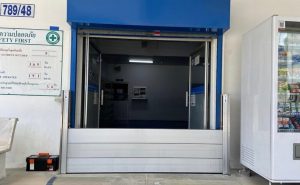
Repairs, Testing, and User Training for Flood Wall System Longevity
Timely Repairs and Professional Service
Addressing minor issues early helps maintain the flood wall system’s strength. Small cracks, leaks, or rust should be repaired as soon as they appear. Keeping detailed repair records allows for better tracking of the system’s condition over time.
Professional service offers several advantages over do-it-yourself repairs. The table below compares both approaches:
| Aspect | Professional Services | DIY Methods |
|---|---|---|
| Longevity | Long-lasting results due to expert assessment and technology | Often temporary fixes |
| Effectiveness | Comprehensive protection addressing visible and underlying issues | May not address underlying issues |
| Cost Over Time | Lower long-term costs due to effective solutions | Higher long-term costs due to potential damage |
| Technology and Techniques | Access to advanced technology and proven methods | Limited tools and techniques |
Professional repairs use advanced engineering and proven techniques. This approach ensures the flood wall system delivers reliable flood protection and long-term performance.
Regular Testing and Practice Deployments
Regular testing is essential for the reliability of any flood wall system. Testing verifies that seals work and that the system can withstand water pressure. Practice deployments help identify weaknesses before a real flood event.
- Effective sealing checks prevent water intrusion.
- Routine inspections and practical tests, such as chalk, hose, and hydrostatic checks, reveal potential problems early.
- Following recognized standards improves consistency and maintenance planning.
Testing also evaluates how the flood wall system handles hydrostatic pressures. These tests show if the barrier can resist expected flood waters and help predict possible failures. Reliable flood protection depends on these regular checks.
- Regular testing is key to reliable flood protection.
- Testing helps reduce flood damage.
- Testing keeps buildings and people safe.
User Training and Procedure Updates
Proper training ensures that staff can deploy and maintain the flood wall system quickly and correctly. Employees should understand local flood risks and know how flooding can affect the building. Training should cover how to deploy barriers, protect critical systems, and respond during emergencies.
- Employees must learn to deploy flood barriers efficiently and check for entry points.
- Training should include steps to protect electrical systems, HVAC units, and sensitive equipment.
- Emergency response protocols must be clear, including safe evacuation and building security.
Robust training programs are critical for successful deployment of the flood wall system. Annual exercises should be part of the Flood Operation Response Plan. Training frequency should match staff turnover and the complexity of the system.
Conclusion
Taking care of a flood barrier system means following a few key steps. Regular maintenance, proper cleaning, timely repairs, and organized storage all help extend the system’s life. Industry experts recommend keeping a well-trained team, reviewing flood protection assets, and updating strategies every year.
- Keep panels clean and dry to maintain effectiveness.
- Check for damage often to avoid costly repairs.
- Store barriers properly for quick flood response.
The table below shows how these actions improve reliability:
| Action | Benefit |
|---|---|
| Regular Inspections | Reduces risk of flood barrier failure |
| Timely Repairs | Prevents corrosion and mechanical issues |
| Proper Cleaning | Extends service life and keeps barriers ready for floods |
| Organized Storage | Ensures fast deployment during flood emergencies |
Proactive care and awareness of environmental factors lower flood risks and support reliable protection. Consistent effort helps communities stay safe when flood events happen.
To ensure your flood barrier system delivers long-term and reliable protection, it is important to take proactive steps now. Regular maintenance, timely inspections, and proper upgrades can significantly extend system lifespan and reduce the risk of failure during extreme weather. If your current system shows signs of aging or has not been assessed recently, consider consulting a professional to evaluate its condition and optimize its performance for future flood events.