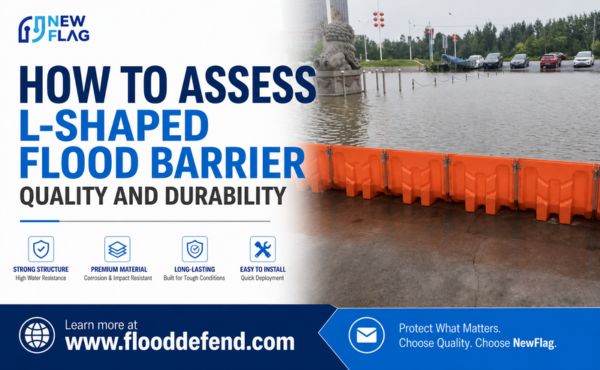
Flood protection is critical for safeguarding homes, businesses, and infrastructure. Understanding the differences between Permanent vs Temporary Flood Barriers is essential for choosing the right solution. Permanent barriers offer long-term security, while temporary options provide flexible, deployable protection during emergencies. Knowing which type suits your property can minimize damage and costs. This article explores key distinctions, benefits, and considerations to help you make an informed flood prevention decision.
Flood Barriers Overview
What Are Permanent Flood Barriers?
Permanent flood barriers are structures built to stay in place all year. They often use concrete, steel, or brick. These barriers protect buildings and land from water at all times, even when there is no flood risk.
Permanent flood barriers can include walls, levees, or raised foundations. They blend into the property’s design. Many cities use these barriers to protect critical areas.
What Are Removable Flood Barriers?
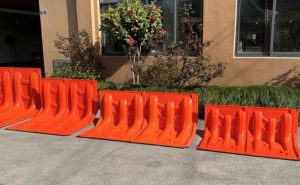
Removable flood barriers are temporary solutions. People set them up only when a flood is likely. These barriers use materials like metal panels, plastic, or water-filled tubes.
Removable flood barriers are easy to store and transport. Homeowners and businesses can install them quickly before a storm. After the flood risk passes, they can remove and store the barriers.
Key Differences
| Feature | Permanent Flood Barriers | Removable Flood Barriers |
|---|---|---|
| Placement | Fixed, always in place | Set up as needed |
| Materials | Concrete, steel, brick | Metal, plastic, fabric |
| Cost | Higher upfront | Lower upfront |
| Aesthetics | Blends with property | Visible when deployed |
| Flexibility | No change after install | Move and reuse easily |
Both types of flood barriers help protect property. The right choice depends on your risk, budget, and how often you face floods.
Pros and Cons of Flood Barriers
Permanent Flood Barriers: Pros
- Permanent flood barriers give constant protection. They do not need to be set up before every storm.
- These barriers often blend into the property’s design. They can look like regular walls or landscaping features.
- Many permanent flood barriers last for decades. They require little maintenance compared to other options.
Permanent Flood Barriers: Cons
- The cost of installing permanent flood barriers is high. Homeowners and businesses must pay for materials and construction.
- These barriers cannot be moved or changed easily. If the flood risk changes, the barriers stay in place.
- Some people may not like the look of permanent barriers. They can change the appearance of a property.
Removable Flood Barriers: Pros
- Removable flood barriers offer flexibility. People can set them up only when needed.
- These barriers are easy to store and transport. They do not take up much space when not in use.
- The upfront cost for removable barriers is usually lower. This makes them a good choice for properties with rare flood events.
- Removable flood barriers can protect doors, windows, and other openings. They fit many different building types.
Removable Flood Barriers: Cons
- Removable barriers require time and effort to set up. People must act fast when a flood warning comes.
- These barriers may not provide as much protection as permanent options. Strong floods can sometimes move or damage them.
- Removable barriers need proper storage and regular checks. Damaged barriers may not work when needed.
- If people forget to install the removable flood water barrier, the property stays unprotected.
Cost of Permanent and Removable Flood Barriers
Upfront Costs
Permanent flood barrier systems usually require a large initial investment. The cost includes materials like concrete or steel and professional installation. Removable flood protection barrier options often cost less at the start because they use lighter materials and do not need heavy construction.
| Barrier Type | Typical Upfront Cost | Installation Needs |
|---|---|---|
| Permanent Flood Barrier | High | Professional required |
| Removable Flood Protection | Lower | DIY or simple setup |
Long-Term Value
Permanent flood barrier systems can last for many years. They add value to a property by offering reliable flood defence systems. Removable flood protection barrier products may need replacement sooner, but they give flexibility for changing needs.
A permanent flood barrier system can also lower insurance costs. Some insurance companies offer discounts for strong flood defence systems. Removable barriers may not qualify for the same savings.
Ongoing Expenses
Permanent flood barrier systems need little maintenance. Owners should check for cracks or damage once a year. Removable flood protection barrier options require regular inspections and cleaning after each use.
Deployable flood defence systems may need new parts over time. Storage and repairs add to the total cost. Both types of flood barriers protect property, but ongoing expenses can affect your budget.
Installation and Maintenance
Installing Permanent Flood Barrier Systems
Permanent flood barrier systems require careful planning. Professionals install these solutions to provide strong flood prevention and defence. The process often includes digging, pouring concrete, and building walls or levees.
Property owners choose permanent barriers as a long-term solution. These systems offer reliable flood prevention for homes and businesses. They do not need to be moved or adjusted once installed.
Setting Up Removable Flood Barriers
Removable flood barriers are popular for their portability and adaptability. People can set up these solutions quickly before a storm. Most removable flood barriers use lightweight materials, making them easy to handle.
The portability and reusability of these barriers allow for fast deployment. Users can move them to different locations as needed. This flexibility and adaptability make them a cost-effective alternative for many properties.
A simple table shows the main steps for setting up removable flood barriers:
| Step | Action |
|---|---|
| 1. Unpack | Remove barriers from storage |
| 2. Position | Place at entry points |
| 3. Secure | Lock or anchor in place |
| 4. Check | Inspect for proper fit |
Maintenance Needs
Both permanent and removable flood barriers need regular checks. Permanent barriers require yearly inspections for cracks or leaks. Removable flood barriers need cleaning and storage after each use to maintain their defence.
The adaptability and reusability of removable flood barriers help with ongoing flood prevention. Owners should check all parts before flood season. Innovative solutions in flood prevention now make maintenance easier and more reliable.
Flood Barriers for Home: When to Use Each Type
Best Uses for Permanent Flood Barriers
Permanent flood barriers for home work best in areas with regular flooding. Homes near rivers or in low-lying neighborhoods benefit from these barriers. They provide constant protection and do not need to be set up before each storm.
Many homeowners choose permanent flood barriers for home when they want a long-term solution. These barriers also help when insurance companies require strong flood protection. Properties with valuable items or finished basements often need this level of defense.
Best Uses for Removable Flood Barriers
Removable flood barriers for home are ideal for places with rare or unpredictable floods. They suit homes in regions where storms happen only a few times each year. These barriers can be stored away and used only when needed.
People who travel often or own vacation homes may prefer removable flood barriers for home. They offer flexibility and do not change the look of the property. Removable options also work well for renters who cannot make permanent changes.
A simple checklist for choosing removable barriers:
- Flooding is rare or seasonal
- Need for easy storage
- No major changes to property
Real-Life Scenarios
A family living near a river installs permanent flood barriers for home. They want year-round protection and peace of mind. Their home stays dry even during heavy rains.
A couple in a city apartment uses removable flood barriers for home. They set up the barriers only when a storm is forecasted. After the danger passes, they store the barriers in a closet.

Choosing the Right Flood Barrier
Key Factors to Consider
Selecting a flood barrier depends on several important factors. Start by looking at your property’s flood risk. Homes in flood zones or near water need stronger protection.
Think about how often floods happen in your area. Frequent flooding calls for permanent barriers. Rare or seasonal floods may only need removable options.
Check your budget before making a decision. Permanent barriers cost more at first but last longer. Removable barriers have lower upfront costs but may need replacement sooner.
Consider how much time you can spend on setup. Permanent barriers require little effort after installation. Removable barriers need quick action before a storm.
Aesthetics also matter. Permanent barriers can blend with landscaping. Removable barriers are visible only during use.
Matching Barriers to Your Needs
Match the barrier type to your property and lifestyle. Permanent barriers work best for high-risk sites or places with valuable assets. These barriers give peace of mind and require less daily attention.
Removable barriers suit homes with limited space or where changes to the property are not allowed. They are also good for renters or vacation homes.
Use this table to help decide:
| Situation | Best Barrier Type |
|---|---|
| Frequent flooding | Permanent |
| Rare or seasonal flooding | Removable |
| High property value | Permanent |
| Rental or vacation home | Removable |
Review your flood history and property layout. Talk to a flood protection expert if you are unsure. The right choice will protect your property and fit your budget.