Automatic Flood Barriers: Detection Systems
Buoyancy-Driven Activation
Many flood barriers use buoyancy-driven activation. When water rises, the barrier floats upward due to the force of the water. Hydrostatic resistance helps keep the barrier stable and strong against the pressure of floodwater. This method does not require electricity, making it dependable during an emergency.
Flood detection systems measure water pressure and height. These systems allow flood barriers to activate at the right moment. The combination of buoyancy and hydrostatic resistance ensures that protection starts as soon as floodwaters appear.
Passive Deployment
Some automatic flood barriers work without any power source. These self activating flood barriers use the natural force of water to deploy. This passive deployment means that barriers will rise even if there is a power outage.
Flood barriers that do not need power are ideal for sites where quick response is critical. They provide consistent protection and reduce the need for human intervention.
Automatic Response to Rising Water Levels
Automatic flood barriers use smart controls to detect rising water levels. Sensors and automation technologies trigger the deployment of barriers as soon as water reaches a set point. This automatic response is key for effective flood management and flood control.
Flood gate automation allows barriers to adapt to different flood heights. The system can adjust the barrier position based on the severity of the flood. This flexibility ensures that flood protection matches the level of risk.
Automatic flood gates and barriers provide reliable flood protection for homes, businesses, and public spaces. Automated flood protection solutions help communities prepare for floods and reduce damage. Real-time monitoring and fast flood response are essential parts of modern flood management.
Flood barriers play a vital role in protecting property and lives. These solutions offer strong protection and peace of mind. With the right flood detection systems, barriers can deliver effective and timely protection every time.
Types of Flood Barriers for Different Flood Levels

Automatic Flood Barriers
Automatic flood barriers provide reliable flood protection by using smart designs that do not need electricity. Self activating flood barriers rise automatically when water reaches a certain level. These barriers use buoyancy and hydrostatic pressure to deploy, making them dependable during an emergency.
Some barriers use inflatable chambers that fill with water or air as floodwaters rise. This design allows for quick deployment and strong protection. Self-closing barriers can also activate when water flows into a special channel, lifting the barrier into place.
Temporary Flood Barriers
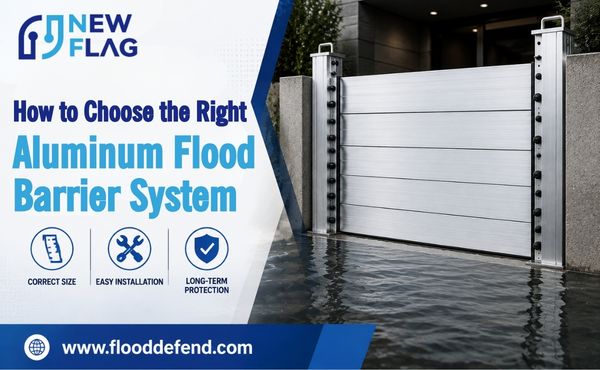
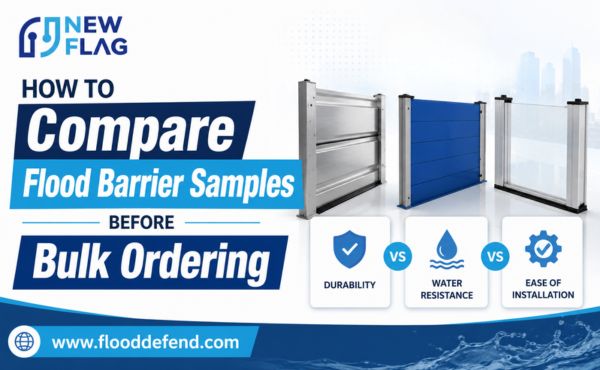
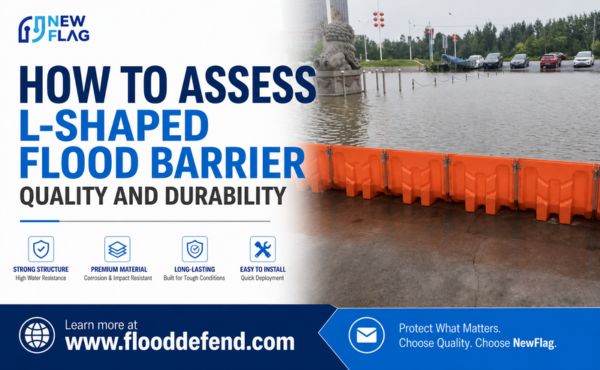
Demountable flood barriers are designed for flexible flood protection. These barriers can be set up before a flood and removed afterward. Temporary barriers are lightweight and easy to store, making them ideal for sites with changing flood risks.
Many temporary barriers use modular panels that connect together. This allows for custom lengths and shapes to fit different locations. These solutions help communities respond quickly to flood emergencies.
Flood Gates and Watertight Doors
Automatic flood gates and watertight doors use flood gate automation to adapt to rising water. These gates can close automatically when sensors detect water, providing strong protection for entrances and exits. Flood detection systems and real-time monitoring help ensure that gates respond at the right moment.
Flood gates are often used in areas that need reliable flood protection and flood control. Automated flood protection systems can adjust the height of the barrier based on the severity of the flood. This flexibility supports effective flood management and keeps property safe.
Flood barriers come in many forms, but all aim to deliver strong protection and peace of mind. Choosing the right barrier and automation system ensures that flood protection matches the needs of each site.
Benefits of Automated Flood Protection
Reliable and Consistent Defense
Automatic flood barriers provide reliable flood protection during every flood event. These barriers activate as soon as water rises, giving consistent protection for buildings and infrastructure. Real-time monitoring helps ensure that flood barriers respond quickly and maintain strong protection throughout the emergency.
Flood barriers offer full perimeter protection. This means that every entry point and vulnerable area receives coverage. Reliable flood protection reduces the risk of property damage and helps communities recover faster after a flood.
Minimal Human Intervention
Automation reduces the need for manual operation during a flood. Flood barriers deploy automatically, so people do not have to risk their safety to set up protection. This feature is especially important during severe weather or when time is limited.
Flood barriers that use automation can operate without electricity or human input. This makes them ideal for emergency situations when power may be lost. Automated flood protection allows for quick response and less stress for property owners.
- Less manual labor
- Faster deployment
- Safer flood management
Adaptability to Sites and Conditions
Flood barriers come in many shapes and sizes. Automated flood protection solutions can be customized for different sites, including homes, businesses, and public spaces. Barriers can adjust to various flood levels, providing the right amount of protection for each situation.
Flood management improves when barriers adapt to changing conditions. Solutions can be installed in new or existing buildings. This flexibility ensures that every site receives the best possible protection.
| Benefit | Description |
|---|---|
| Adaptability | Barriers fit many locations and needs |
| Customization | Solutions match specific flood risks |
| Long-term protection | Systems provide ongoing flood protection |
Installation and Maintenance of Flood Barriers

Custom Site Assessment
Every site has unique needs for flood protection. A custom site assessment helps identify the best flood barriers for each location. Experts look at building design, flood risk, and entry points to recommend the right solutions.
Flood barriers must fit the structure and provide full perimeter protection. This step ensures that flood protection devices work well with existing features. Passive barrier solutions and self raising solutions can be tailored for homes, businesses, or public spaces.
Installation Best Practices
Proper installation is key for reliable flood protection. Installers follow best practices to make sure barriers seal tightly and activate when needed. Floodwater powered activation and automatic deployment options help barriers respond quickly during an emergency.
Installers use automation technologies and real-time monitoring to test the system. This process checks that barriers deploy at the correct flood level. Full perimeter protection is achieved by covering all vulnerable areas.
A table can help summarize installation steps:
| Step | Purpose |
|---|---|
| Site Assessment | Identify flood risks |
| Customization | Fit barriers to the building |
| Testing | Ensure proper activation |
Maintenance and System Reset
Regular maintenance keeps flood barriers ready for the next flood. After a flood event, barriers return to their recessed state. Maintenance includes cleaning, checking seals, and testing activation systems.
Automated flood protection and passive flood protection solutions need routine checks. This ensures protection remains strong and reliable. Flood management improves when barriers are always ready for emergency flood response.