A Steel Flood Door offers strong protection against water damage, but it also comes with some challenges. Understanding the advantages and disadvantages of this specialized door helps property owners make smart choices. Unlike regular steel doors, a Steel Flood Door uses watertight seals and reinforced frames to block floodwaters, making it important to weigh the advantages and disadvantages before installation.

What Is a Steel Flood Door?
Definition and Key Features
A steel flood door is a specialized barrier designed to protect buildings from floodwaters. It uses reinforced steel panels and frames to create a strong defense against water intrusion. Unlike standard steel doors, these doors feature watertight seals that prevent leaks.
Key features of steel flood doors include:
- Heavy-duty steel construction
- Watertight gaskets and seals
- Reinforced hinges and frames
- Corrosion-resistant coatings
Traditional steel doors do not have these protective elements. They may allow water to seep through gaps or around the edges during a flood.
How Steel Flood Doors Work
Steel flood doors block water by forming a tight seal when closed. The door compresses special gaskets against the frame, creating a barrier that water cannot easily penetrate. This design helps keep floodwaters out of basements, storage rooms, and other vulnerable areas.
Most steel flood doors are tested to withstand both static and fast-moving flood conditions. The reinforced structure resists bending and breaking under pressure. Property owners can rely on these doors for protection during severe weather events.
| Feature | Steel Flood Door | Standard Steel Door |
|---|---|---|
| Watertight Seal | ✅ | ❌ |
| Reinforced Frame | ✅ | ❌ |
| Flood Protection | ✅ | ❌ |
| Corrosion Resistance | ✅ | ✅ |
Steel flood doors offer a higher level of safety compared to regular steel doors. Their unique design makes them a smart choice for areas at risk of flooding.
Advantages of Steel Flood Doors
Superior Flood Protection
Steel flood doors provide strong protection against floodwaters. The watertight seals block water from entering buildings during storms or heavy rainfall. Many steel flood doors are tested to withstand both slow and fast-moving floods, which increases safety for property owners.
Durability and Strength
The steel flood door uses reinforced panels and frames. This design gives the door high durability and allows it to resist bending or breaking under pressure. The strength of the steel flood door makes it a reliable choice for long-term protection.
| Feature | Benefit |
|---|---|
| Reinforced Steel | Withstands strong forces |
| Heavy Construction | Lasts for many years |
Corrosion Resistance and Low Maintenance
Steel flood doors often have protective coatings that resist corrosion. These coatings help the door stay strong even in wet conditions. Property owners spend less time on maintenance because the steel flood door does not rust easily.
- Protective coatings extend the life of the door.
- Low maintenance means fewer repairs and less hassle.
Security Benefits
Steel flood doors offer extra security for buildings. The reinforced structure and locking mechanisms make it hard for intruders to break in. This advantage adds another layer of safety beyond flood protection.
The advantages of steel flood doors include superior protection, durability, corrosion resistance, and security. These features make steel flood doors a smart investment for properties at risk of flooding.
Disadvantages of Steel Flood Doors
Higher Cost
Steel flood doors cost more than standard doors. The price comes from the specialized materials and watertight features. Many property owners must plan for a larger budget when choosing this option.
Weight and Handling
Steel flood doors are heavy. The reinforced panels and frames add extra weight. Moving and installing these doors often requires special equipment or professional help.
| Door Type | Average Weight |
|---|---|
| Steel Flood Door | 100-200 lbs |
| Standard Steel Door | 50-80 lbs |
Heavy doors can be difficult to handle during maintenance or emergencies.
Installation Challenges
Installing a steel flood door is not simple. The process needs careful alignment to ensure a watertight seal. Many property owners must hire skilled installers to avoid mistakes.
Steel flood doors require regular checks. If the protective coating gets damaged or maintenance is neglected, rust can develop. This can weaken the door and lower its performance.
Limited Design Choices
Steel flood doors offer fewer design options. Most models focus on function rather than style. Property owners may find it hard to match these doors with the look of their building.
- Color choices are often limited.
- Decorative features are rare.
Some people may feel that the disadvantages outweigh the benefits if appearance is important.
Steel Flood Door vs. Floodgate Solutions
Floodgate Overview
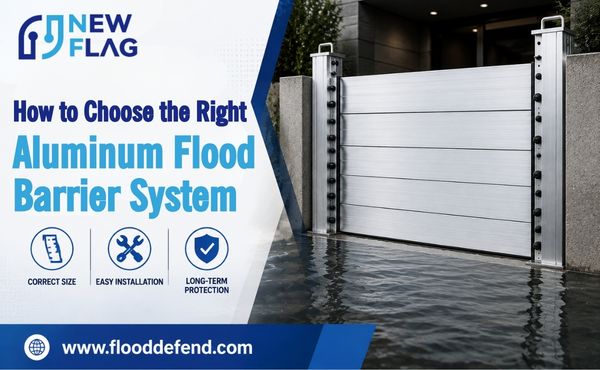
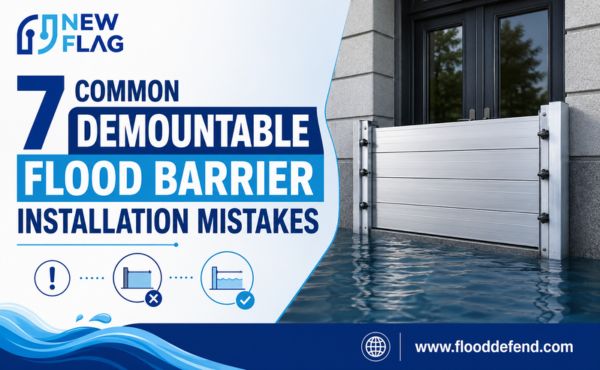
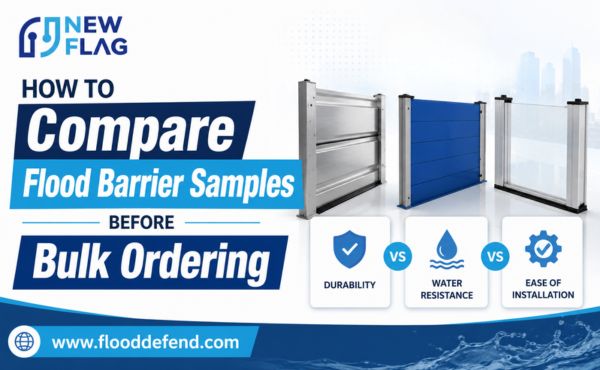
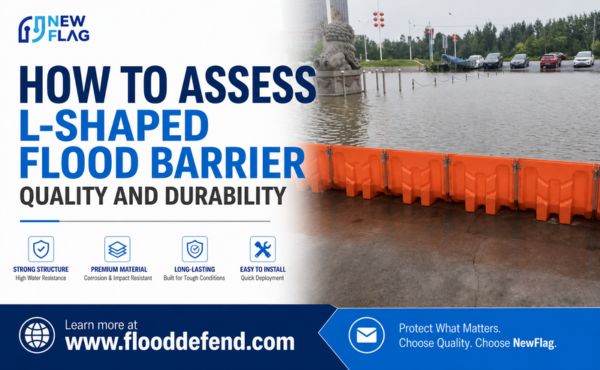
A floodgate is a removable barrier that blocks water from entering a building or area. Most floodgates use strong materials like steel or aluminum. People often place a floodgate in front of doors, driveways, or other openings before a flood event.
Floodgates come in different sizes and shapes. Some models use rubber seals to stop water leaks. Many floodgates are lightweight and easy to store when not in use.
Comparing Effectiveness
Steel flood doors and floodgates both protect against water, but they work in different ways. A steel flood door is a permanent part of the building. It provides constant protection and does not need to be moved or installed before each flood.
A floodgate is portable and can be used only when needed. This makes a floodgate useful for areas that do not flood often. However, a floodgate may not seal as tightly as a steel flood door in some cases.
| Feature | Steel Flood Door | Floodgate |
|---|---|---|
| Permanent Protection | Yes | No |
| Removable | No | Yes |
| Quick Setup | No | Yes |
| Watertight Seal | Yes | Sometimes |
When to Choose Each Option
Choose a steel flood door if your property faces frequent or severe flooding. This option works well for basements, utility rooms, or places that need year-round protection. A floodgate is better for buildings that only face rare floods or need a temporary solution.
Some property owners use both a steel flood door and a floodgate for extra safety. Consider your risk level, budget, and how often you need protection. Talk to a professional to find the best flood protection for your needs.

Choosing the Right Flood Protection
Assessing Property Needs
Every property faces different risks from flooding. Start by checking the location and history of water damage in your area. Make a list of entry points where water could get inside.
Think about how often floods happen. Properties in high-risk zones need stronger flood defense solutions. For less frequent flooding, temporary barriers may work.
Budget and Long-Term Value
Cost plays a big role in choosing flood defense solutions. Steel flood doors have a higher price, but they last many years. Floodgates and other anti-flooding solutions may cost less at first.
| Solution Type | Initial Cost | Lifespan | Maintenance Cost |
|---|---|---|---|
| Steel Flood Door | High | 20+ years | Low |
| Floodgate | Medium | 10-15 years | Medium |
Consider the long-term value. Spending more now can save money on repairs later. Always compare the total cost over the life of the product.
Maintenance Considerations
Maintenance keeps flood defense solutions working well. Steel flood doors need regular checks for seal damage or rust. Floodgates should be inspected before each use.
Choose a solution that matches your ability to maintain it. Some options need less care, while others require more attention. Good maintenance ensures reliable flood protection for your property.
Conclusion
Steel flood doors offer strong flood protection, durability, and security. These barriers can be costly and heavy, with fewer design choices than other options. Property owners should compare the risk of flood, the need for a permanent barrier, and their budget. Floodgates work well for temporary needs. For the best flood barrier, consult a professional who understands your property.