
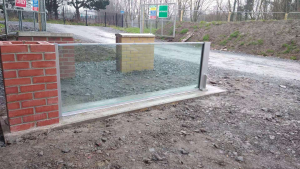
Installation mistakes can reduce the safety of a Glass Flood Barrier. Structural interlayers help keep the barrier strong, even when the glass breaks.
Careful planning and attention to each step ensure the wall protects people and property for many years.
Planning Errors in Flood Wall Barrier Systems
Site Assessment Mistakes
Many teams overlook the importance of a thorough site assessment before installing a flood wall barrier system. They may skip checking soil stability or ignore nearby water sources. These mistakes can lead to weak foundations or unexpected water flow during floods.
A proper site assessment helps identify risks and guides the design of the flood wall barrier system. Teams should measure elevation, study drainage patterns, and review historical flood data.
Note: A detailed site assessment reduces the chance of costly repairs and improves safety.
Glass and Interlayer Specification
Selecting the wrong type of laminated glass or structural interlayer can compromise the flood wall barrier system. Some installers choose glass load rating that cannot withstand local flood pressures.
Others use interlayers that do not hold the glass together after impact.
The right specifications depend on the flood risk and the expected water force. Teams should consult engineers and use certified materials. A table can help compare glass and interlayer options:
| Glass Type | Interlayer Strength | Suitable Flood Risk |
|---|---|---|
| Standard | Low | Minimal |
| Laminated | Medium | Moderate |
| High-Strength | High | Severe |
Overlooking Local Flood Risks
Ignoring local flood risks can make the flood wall barrier system ineffective. Some teams rely only on general guidelines and miss unique threats in the area. They may not consider seasonal changes or nearby construction that affects water flow.
Teams should gather local flood maps and talk to community experts. Understanding local risks helps them design a flood wall barrier system that protects people and property.
Material Handling for Glass Flood Barriers

Transport and Storage Damage
Teams often face problems when moving and storing laminated glass for flood barriers. Laminated glass can crack or lose strength if workers drop it or stack it incorrectly. Moisture and dirt can also harm laminated glass during transport.
Workers should use padded racks and keep laminated glass upright. They must avoid placing heavy objects on top of laminated glass panels. A clean, dry storage area helps protect laminated glass from damage.
Tip: Always inspect laminated glass for chips or scratches before installation.
Inspecting Laminated Glass and Interlayers
Careful inspection of laminated glass and its interlayers is essential before installation. Workers should look for bubbles, delamination, or cloudiness in laminated glass.
These signs show that laminated glass may not perform well during a flood. Teams must check the edges of laminated glass for cracks.
They should also test the strength of the interlayer in laminated glass. If laminated glass shows any defects, teams should replace it. Regular inspection helps maintain the safety of laminated glass flood barriers.
| Inspection Step | What to Check in Laminated Glass |
|---|---|
| Visual Surface Check | Chips, scratches, cloudiness |
| Edge Inspection | Cracks, delamination |
| Interlayer Strength | Bubbles, separation |
Protecting Clear Glass Flood Barriers
Clear laminated glass flood barriers need extra care to stay strong and transparent. Workers should wear gloves when handling laminated glass to prevent fingerprints and smudges. Laminated glass must stay covered until installation to avoid dust and scratches.
Teams should use soft cloths to clean laminated glass. They must never use harsh chemicals on laminated glass. Proper protection keeps laminated glass clear and strong for flood defense.
Note: Good handling practices extend the life of laminated glass flood barriers.
Installation Issues with Glass Flood Walls
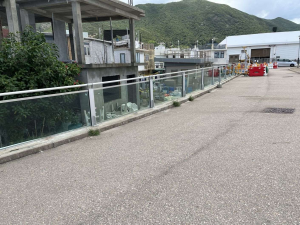
Proper installation of a glass flood wall is essential for effective barrier performance and long-term mitigation. Mistakes during this stage can lead to leaks, structural failure, or reduced storm protection.
Teams must pay close attention to sealing, alignment, and anchoring to achieve total perimeter protection and maintain watertight integrity.
Sealing and Gasket Errors
Sealing mistakes often cause the most common failures in a glass flood wall. Workers sometimes use the wrong type of gasket or fail to install it evenly.
Gaps or twists in the gasket can allow water to seep through, which reduces the barrier’s effectiveness. Some teams rush the sealing process and miss small defects that can grow into major leaks during a flood event.
A watertight seal depends on careful gasket placement and the use of approved materials. Teams should always follow the manufacturer’s instructions for gasket installation.
They must check for uniform compression along the entire length of the barrier. If the gasket does not fit tightly, water can bypass the glass flood wall and compromise mitigation efforts.
Tip: Inspect every gasket for damage or misalignment before finalizing the installation. Replace any gasket that shows signs of wear or improper fit.
A table can help teams remember key steps for watertight sealing:
| Step | Action Required |
|---|---|
| Gasket Selection | Use only approved materials |
| Placement | Ensure even compression |
| Inspection | Check for gaps or twists |
| Final Check | Test for watertight performance |
Panel Alignment Problems
Panel alignment plays a critical role in the strength and effectiveness of a glass flood wall. Misaligned panels can create weak points in the barrier, allowing water to penetrate and reducing the overall mitigation value.
Teams sometimes rush the alignment process or use improper tools, which leads to uneven joints and visible gaps.
Proper alignment ensures that each glass panel fits tightly against its neighbor. Workers should use precision measuring tools and follow layout guides for the flood glazing systems.
They must check both vertical and horizontal alignment to achieve total perimeter protection. Even a small misalignment can affect the watertight seal and the permanent durability of the barrier.
- Use shims or spacers to maintain even spacing between panels.
- Confirm that each panel sits flush within the frame.
- Recheck alignment after tightening fasteners.
Anchoring and Frame Integration
Anchoring and frame integration mistakes can undermine the entire barrier system. If the frame is not engineered for the expected flood loads, the glass flood wall may fail during high water events.
Teams sometimes use anchors that are too short or install them in weak substrate, which reduces the permanent stability of the barrier.
A strong frame must distribute water pressure evenly across the glass flood wall. Teams should use anchors rated for the site’s flood risk and follow all engineering guidelines.
Proper integration with the building structure ensures that the barrier remains watertight and provides reliable mitigation. Workers must also check that the frame allows for thermal expansion and contraction without breaking the watertight seal.
A checklist for anchoring and frame integration:
- Select anchors based on flood risk and substrate type.
- Install anchors to the specified depth and torque.
- Inspect the frame for gaps or movement after installation.
- Confirm that the frame supports permanent and watertight performance.
By avoiding these installation mistakes, teams can ensure that the glass flood wall delivers effective mitigation and permanent storm protection. Careful attention to sealing, alignment, and anchoring helps maintain the barrier’s watertight integrity and supports long-term flood defense.
Post-Installation Flood Barrier Oversights
Final Inspection Steps
A final inspection ensures the highest level of protection after installing a flood barrier. Teams should check every part of the system for gaps, cracks, or loose fittings. They must test the seals and gaskets for leaks.
Workers should confirm that all panels align and that the frame holds each piece securely. A detailed checklist helps teams avoid missing any step that could reduce protection.
Maintenance for Flood Protection
Regular maintenance keeps the flood barrier strong and reliable for long-term protection. Teams should clean the panels and frames to remove dirt and debris.
They must check for signs of wear, such as faded gaskets or loose anchors. Workers should replace damaged parts right away to maintain full protection. Maintenance schedules help teams track each task and ensure nothing gets missed.
Monitoring for Early Warning Signs
Ongoing monitoring helps teams spot problems before they threaten protection. Workers should look for water stains, fogging, or changes in the appearance of clear glass flood barriers.
These signs may show that the barrier no longer provides full protection. Teams should also listen for unusual sounds, such as creaking or popping, which can signal stress on the system. Early action prevents small issues from becoming major failures and keeps protection at its highest level.
- Watch for discoloration or cloudiness in clear glass flood barriers.
- Check for moisture around seals and frames.
- Record and report any changes right away.
Alert: Early detection of problems ensures continuous protection for people and property.
Conclusion
Glass flood barrier safety depends on avoiding mistakes in planning, material handling, and installation. Teams must use structural interlayers for passive flood mitigation design solutions.
Regular inspection and maintenance of flood wall systems, flood mitigation barriers, and flood protection devices help ensure permanent flood protection. A checklist supports error-free installation of passive floodproof glass solutions and passive flood control devices.
Teams should educate themselves about passive flood mitigation strategies and monitor interlayers for signs of damage. Passive glass flood barrier systems provide reliable flood defense when installed and maintained correctly.