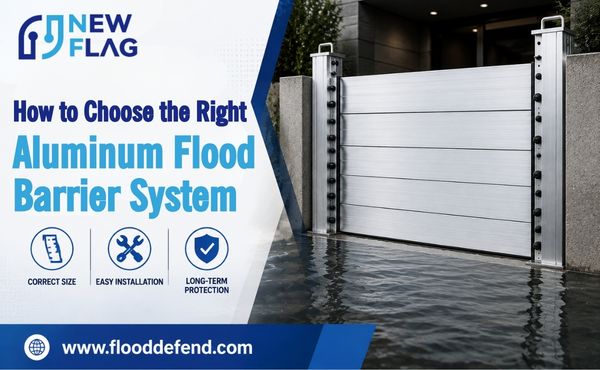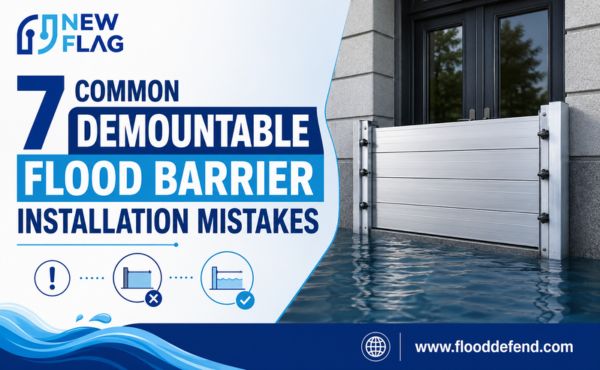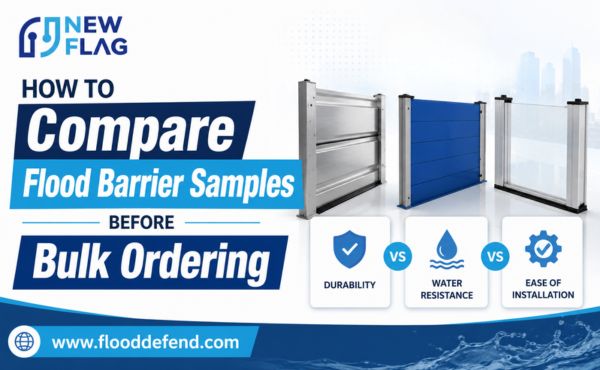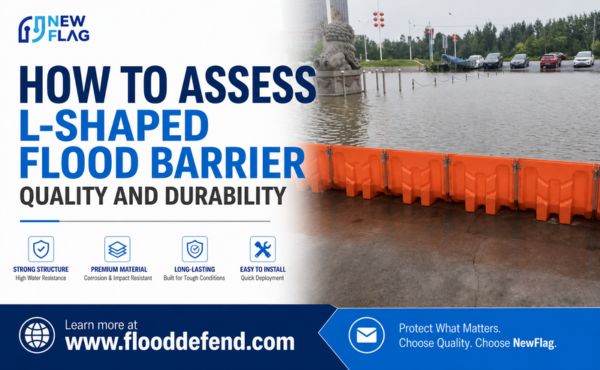
Flood protection is a growing concern for homeowners in flood-prone areas, making it essential to compare traditional and modern solutions. This article explores Flood Gates versus sandbags, highlighting differences in durability, installation, and long-term value. Understanding these options helps homeowners choose more reliable protection and reduce flood damage risks. Read on to see why one solution is becoming the preferred choice.

Flood Gates vs Sandbags: Effectiveness
Water Resistance and Reliability
Flood gates vs sandbags is a topic that matters when homeowners want strong protection. Flood gates create a solid barrier that blocks water from entering homes. Sandbags absorb water and can leak, especially during heavy flood events.
Flood gates vs sandbags shows that gates are more reliable. Gates do not shift or break down as quickly as sandbags. Homeowners trust flood gates because they stay in place and resist water pressure.
Tip: Flood gates can be reused after a flood, while sandbags often need replacement.
Performance in Severe Floods
Flood gates vs sandbags becomes important during severe flood conditions. Flood gates handle high water levels and strong currents better than sandbags. Sandbags can fail when water rises quickly or when the flood lasts for days.
Flood gates vs sandbags also highlights that gates work as a barrier even in extreme weather. Sandbags may wash away or become damaged, reducing their effectiveness. Gates keep homes safer and provide peace of mind.
| Method | Water Resistance | Reliability | Reusability |
|---|---|---|---|
| Flood Gates | High | High | Yes |
| Sandbags | Medium | Low | No |
Consistency for Homeowners
Flood gates vs sandbags shows that gates offer consistent protection. Flood gates work every time and do not depend on how they are stacked or placed. Sandbags require careful setup and can leave gaps that let water through.
Flood gates vs sandbags proves that gates are a dependable barrier. Homeowners do not worry about leaks or weak spots with flood gates. Gates deliver effectiveness and reliability for every flood event.
Note: Consistent protection means less stress and fewer repairs after a flood.
Cost and Value in Flood Protection
Upfront and Ongoing Costs
Flood protection often starts with comparing the initial costs of flood gates and sandbags. Flood gates require a higher upfront investment, but they last for years. Sandbags cost less at first, but homeowners must buy new ones for each flood event.
Maintenance is another factor in flood protection. Flood gates need occasional cleaning and inspection. Sandbags break down after use and create disposal costs.
| Method | Upfront Cost | Maintenance | Replacement |
|---|---|---|---|
| Flood Gates | High | Low | Rare |
| Sandbags | Low | High | Frequent |
Long-Term Savings
Flood protection with flood gates offers long-term savings. Homeowners reuse flood gates many times, which reduces future expenses. Sandbags do not provide the same value because they must be replaced after each flood.
Flood gates also save money on repairs. They block water more effectively, so homeowners spend less fixing damage. Sandbags allow leaks, which can lead to costly repairs.
Note: Investing in flood gates means fewer worries about ongoing costs and waste.
Return on Investment
Flood protection is an investment in safety and property. Flood gates deliver strong value because they protect homes year after year. Sandbags offer less value since they only work once and need frequent replacement.
Homeowners see a better return on investment with flood gates. They pay more at first, but the savings and reliability make flood gates the smarter choice. Flood protection with flood gates gives peace of mind and lasting value.
Setup Speed and Ease of Use
Quick Deployment of Flood Gates
Flood gates offer fast protection during emergencies. Homeowners can deploy a flood gate system in minutes. This speed is important when water levels rise quickly.
Flood gates often use a locking mechanism or slide into place. The system does not require special tools or heavy lifting. One person can set up a flood gate system without help.
Tip: Flood gates can be deployed up to six times faster than sandbags.
Labor and Time for Sandbags
Sandbags require more effort and time. Homeowners must fill, carry, and stack each sandbag. The process can take hours, especially for large areas.
A sandbag system needs several people to work together. Sandbags are heavy and difficult to move. The system is not practical for quick response situations.
| Method | Setup Time | Labor Required | Emergency Use |
|---|---|---|---|
| Flood Gates | Minutes | Low | Excellent |
| Sandbags | Hours | High | Limited |
Emergency Readiness
Flood gates improve emergency readiness. The system can be stored easily and kept near entry points. Homeowners can access the system quickly when needed.
Sandbags take up more space and require preparation before each flood. The sandbag system is harder to manage and store. Flood gates provide a reliable system for fast action.
Note: A flood gate system helps homeowners stay prepared and reduces stress during emergencies.
Durability and Environmental Impact
Reusability of Flood Gates
Reusable flood barriers offer strong durability. Homeowners can use these barriers many times without losing effectiveness. This feature gives long-term protection and reduces the need for frequent replacements.
Reusable flood barriers resist damage from water and debris. They do not rot or break down after a single flood. Many homeowners see the advantages of reusable flood barriers in both cost and environmental savings.
Tip: Reusable flood barriers can last for years with proper care.
Sandbags and Environmental Waste
Sandbags have a much shorter lifespan. Most sandbags become unusable after one flood event. Wet sandbags often tear or grow mold, making them unsafe to reuse.
Disposing of sandbags creates a large amount of waste. Used sandbags can contain chemicals or bacteria from floodwater. This waste adds to landfill problems and increases cleanup costs for homeowners.
Sandbags also require new materials for every flood. The need for constant replacement makes sandbags less sustainable.
Sustainability in Flood Protection
Reusable flood barriers support sustainability in flood protection. They reduce waste and limit the use of new resources. Homeowners who choose reusable flood barriers help protect the environment.
Sandbags do not offer the same benefits. Their short lifespan and disposal issues make them less eco-friendly. Choosing reusable flood barriers means better durability and less impact on the planet.
Note: Sustainable flood protection helps both homeowners and the environment.
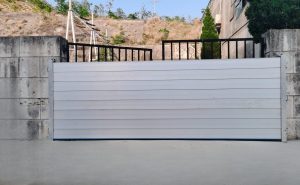
Sandbags vs Flood Barriers: Practical Use Cases
Protecting Home Entry Points
Flood defense often starts at the doors, garages, and basement windows. Homeowners use flood barriers to block water from entering these spots. Flood barriers fit tightly and provide a strong defense for residential use.
Many people choose a temporary flood barrier for quick protection. These barriers can be set up before a storm and removed after the threat passes. This solution helps keep water out and reduces damage.
When Sandbags Are Still Useful
Sandbags vs flood barriers is a common question during emergencies. Sandbags remain a useful defense when homeowners need a quick, low-cost solution. The best situations for sandbags include small leaks or when barriers are not available.
Sandbags work well for short-term defense in areas with minor flooding. They can fill gaps where a flood barrier does not fit. Sandbags are also helpful as a backup defense if the main barrier fails.
Tip: Sandbags are heavy and require effort to move, but they can help in urgent situations.
Real-World Homeowner Experiences
Many homeowners have shared their experiences with sandbag alternatives. One homeowner used flood barriers to protect a basement entry and avoided costly repairs. Another family tried sandbags first but switched to flood barriers for better defense.
The best situations for flood barriers often involve repeated flooding or high water levels. Homeowners report that flood barriers are easier to store and reuse. Sandbag alternatives like flood barriers offer a reliable solution for long-term defense.
Note: Choosing the right defense depends on the flood risk and the area that needs protection.
Conclusion
Overall, the comparison of flood protection methods shows a clear shift toward more reliable and efficient solutions. Flood Gates provide stronger durability, faster deployment, and better long-term value compared to sandbags, while also reducing waste and ongoing maintenance needs. For homeowners in flood-prone areas, choosing a modern barrier system improves safety, lowers costs over time, and ensures more consistent protection when it matters most.