Flood gates for houses act as strong barriers that keep water from entering a house during a flood. These devices play a key role in flood protection and can make a big difference when heavy rain or rising water threatens your home. Choosing the right flood gates for houses helps protect your house, your family, and your belongings.

Flood Gates for Houses Overview
What Are Flood Gates?
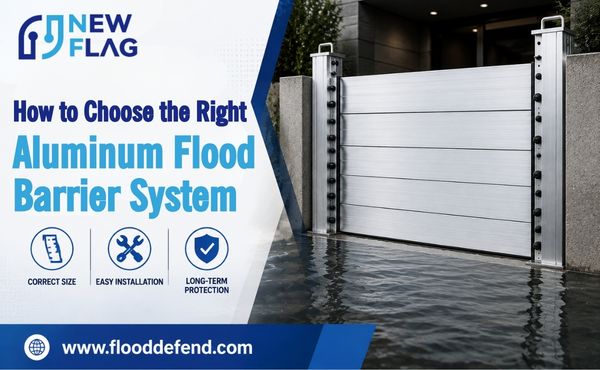
Flood gates for houses are special barriers designed to stop water from entering a home during a flood. These gates act as a flood barrier that blocks water at entry points like doors, garages, and windows. Some flood gates for houses are permanent, while others can be installed quickly when a flood warning is issued.
A flood barrier can be made from metal, plastic, or other strong materials. Homeowners use these barriers to protect their house from water damage. Flood gates for houses come in different shapes and sizes to fit many types of homes.
Flood gates for houses are easy to use. Many models can be set up by one person. Some flood barrier systems use panels that slide or lock into place, making them simple to install and remove.
Why Flood Gates Matter
Floods can cause serious damage to a house. Water can ruin floors, walls, and furniture. A flood barrier helps keep water out and protects your home.
Using a flood barrier can save money on repairs after a flood. It also gives peace of mind to families who live in flood-prone areas. Flood gates for houses are an important part of a complete flood protection plan.
A flood can happen quickly. Having a flood barrier ready can make a big difference. Protecting your house with flood gates is a smart way to prepare for the unexpected.
Types of Flood Barriers
Permanent Flood Barriers
Permanent flood barriers stay in place year-round. These barriers offer strong flood protection for homes in high-risk areas. They can include walls, levees, or a passive automatic flood barrier that activates when water rises.
Permanent flood protection works best for homes that face frequent flooding. These flood barriers for doorways and windows help keep water out at all times. Homeowners who want a flood proof solution often choose this type.
Removable Flood Gates
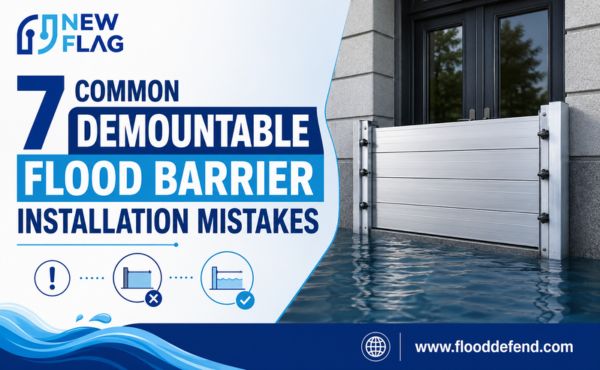
Removable flood gates are a popular flood barrier option for many homes. Homeowners can set up these flood barriers for doorways when a flood warning is issued. After the flood, they can remove and store the gates.
These flood barrier systems are easy to use and do not change the look of your house. Removable flood gates are the best flood barrier for homes that only flood sometimes. They offer a flood proof solution without a permanent change.
Sliding Floodgates
Sliding floodgates move into place when needed. They slide across doorways or garage entrances to block water. Many sliding floodgates act as modular flood barriers, so you can adjust them for different openings.
Sliding floodgates are a good choice for homes with wide entrances. They are also a type of flood proof barrier that is simple to operate. These flood barriers for doorways can be set up quickly.
Temporary Flood Panels
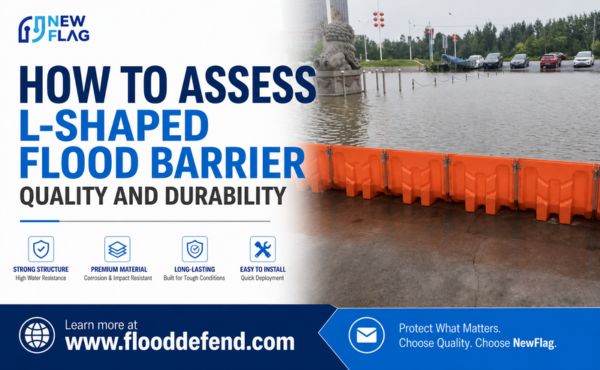
Temporary flood panels are lightweight and easy to install. Homeowners use these panels as temporary flood barriers during emergencies. Some panels work like inflatable flood barriers, filling with water or air to create a seal.
Temporary flood panels are the best flood barrier for homes that need quick protection. They can be used with other home flood barriers for extra safety. Flood vents can also help by letting water flow through certain areas, reducing pressure on walls.
Flood barrier options like these help make your house flood proof. Each type has strengths and works best in different situations. Choose the right flood panel or flood barrier for your needs.
Assessing Home Flood Risk
Identifying Flood-Prone Areas
Floods can happen in many places. Some areas face higher flood risk because of their location. Homes near rivers, lakes, or the coast often have more danger. Low-lying land collects water quickly. Heavy rain can cause water to rise fast. Flash floods can happen with little warning. Storm surges can push ocean water onto land during storms.
Homeowners should look at their neighborhood. Check if there are streams, ditches, or drains nearby. Notice if water pools in your yard after rain. Talk to neighbors about past floods. Local government offices may have records of flood events. This information helps you understand your flood risk level.
Using Flood Maps
Flood maps show where floods are most likely to happen. These maps use colors and lines to mark flood zones. FEMA and Flood Risk America provide online flood maps. You can enter your address to see your home’s flood zone.
Flood maps help you see if your house sits in a high-risk area. They also show if you need special flood insurance. Look for areas marked as floodplains. These places have a higher chance of flooding. Flood maps also show how deep water might get during a flood.
Steps to use flood maps:
- Visit the FEMA or Flood Risk America website.
- Type your address in the search box.
- Review the map for your property.
- Check the flood zone and read the legend.
Flood maps change over time. Check them every few years. New construction or changes in weather can affect flood risk.
Evaluating Property Vulnerabilities
Every house has weak spots that water can enter. Doors, windows, and garages are common entry points. Basements and crawl spaces can fill with water first. Cracks in walls or foundations let water seep in.
Walk around your house during a rainstorm. Watch where water flows. Notice if gutters or drains overflow. Check for signs of past water damage, like stains or mold. Make a list of areas that need extra flood protection.
Here is a simple checklist for evaluating your home:
| Area to Check | What to Look For | Action Needed |
|---|---|---|
| Doors and Windows | Gaps, low thresholds | Seal or add barriers |
| Garage | Wide opening, low slope | Install flood gate |
| Basement | Cracks, water stains | Repair and seal |
| Yard and Drainage | Pooling water, blocked drains | Clear and redirect |
Taking these steps helps you plan for floods. You can choose the right flood barriers for your needs. Protecting your home starts with good information and careful checks.
Choosing the Right Flood Gate
Flood Risk Level
Flood risk level helps you decide which flood barrier fits your house. Homes in high-risk zones need stronger flood barriers for doorways and windows. Areas with frequent flash floods or storm surges require a passive automatic flood barrier or modular flood barriers.
Low-risk homes may only need temporary flood panels or inflatable flood barriers. High-risk homes benefit from permanent flood barrier systems. Always match the flood barrier to the level of risk your house faces.
Areas to Protect
Identify which parts of your house need flood protection. Doorways, garages, and basements are common entry points for water. Flood barriers for doorways provide doorway flood protection and keep water out.
Use flood vents in areas where water pressure can build up. Flood vents help reduce damage by letting water flow through safely. Protecting windows and low walls with flood-resistant materials adds extra safety.
| Area | Barrier Type | Protection Level |
|---|---|---|
| Doorways | Flood barriers for doorways | High |
| Garage | Modular flood barriers | High |
| Basement | Flood panel | Medium |
| Windows | Flood-resistant materials | Medium |
Ease of Use
Choose flood barrier options that are easy to install and remove. Removable flood barriers work well for homes that need quick setup. Sliding floodgates and temporary flood panels offer fast doorway flood protection.
Flood barrier systems should be simple enough for one person to operate. Look for flood barriers that do not require special tools. Ease of use matters during emergencies when time is limited.
- Removable flood gates: Quick to set up
- Sliding floodgates: Easy to operate
- Temporary panels: Lightweight and portable
Maintenance and Cost
Maintenance keeps your flood barrier working well. Check flood barriers for doorways and windows after each flood event. Clean and inspect flood vents to prevent blockages.
Cost depends on the type of flood barrier. Permanent barriers cost more but last longer. Removable and inflatable flood barriers are less expensive but may need replacement. Flood barrier systems with modular parts can be reused and adjusted.
| Barrier Type | Maintenance Needs | Cost Range |
|---|---|---|
| Permanent | Low | High |
| Removable | Medium | Medium |
| Inflatable | High | Low |
| Modular | Medium | Medium-High |
Durability
Durability ensures your flood barrier stands up to repeated floods. Flood-resistant materials like metal and reinforced plastic last longer. Flood barriers for doorways must withstand water pressure and debris.
Flood proof barriers should not crack or bend easily. Modular flood barriers offer flexibility and strength. Passive automatic flood barriers activate without manual effort and resist damage.
Flood panel designs use strong materials for extra protection. Flood vents made from durable materials help maintain doorway flood protection. Choose the best flood barrier for your house based on how often floods occur.
Flood Gate Comparison
Product Comparison
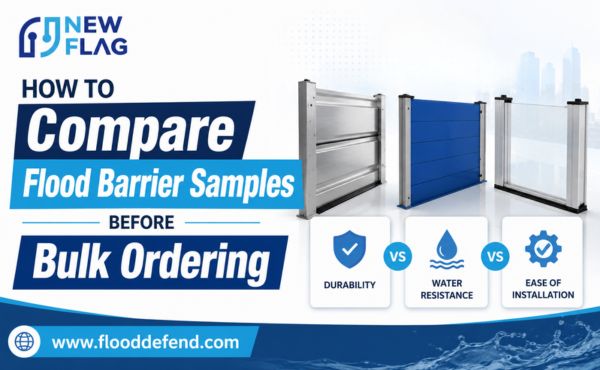
Flood gates come in many designs. Each type offers unique strengths for home protection. Some gates stay in place all year, while others can be installed only when a flood threatens.
| Flood Gate Type | Installation | Strengths | Limitations |
|---|---|---|---|
| Permanent Barriers | Professional | High durability | Higher cost |
| Removable Gates | DIY or Professional | Easy to store | May need frequent checks |
| Sliding Floodgates | DIY or Professional | Quick setup | Space needed for operation |
| Temporary Panels | DIY | Lightweight, portable | Less durable |
Permanent barriers work well for homes in areas with frequent flood events. Removable gates suit houses that only face occasional flooding. Sliding floodgates protect wide entrances. Temporary panels offer fast protection during emergencies.
Matching Solutions to Needs
Choosing the best flood barrier depends on your home’s risk and layout. Homes in high-risk zones need strong barriers that can withstand repeated flood events. Low-risk homes may only need temporary panels for quick protection.
Consider which areas of your house need coverage. Doorways, garages, and basements often require special attention. The best flood barrier should fit your entry points and be easy to use.
- Permanent barriers: Good for high-risk homes
- Removable gates: Useful for moderate risk
- Sliding floodgates: Ideal for wide entrances
- Temporary panels: Best for quick response
Flood protection improves when you match the solution to your needs. Practice installing your flood gate before a flood happens. Regular checks help keep your barriers ready.
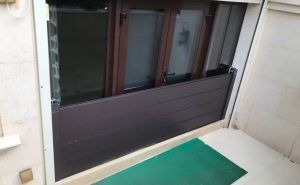
Flood Protection Installation and Maintenance
Professional vs. DIY
Homeowners can choose between professional installation and do-it-yourself methods for flood protection. Professional installers have experience with complex systems like a passive automatic flood barrier. DIY options work well for simple barriers and panels, especially for doorway flood protection.
Professional installation often ensures a tight fit and long-lasting results. DIY solutions may save money and allow for quick setup. Always follow manufacturer instructions for safety and effectiveness.
Maintenance Tips
Regular maintenance keeps your flood proof barriers working well. Inspect all barriers after heavy rain or flooding. Look for cracks, loose parts, or signs of wear.
Clean debris from around barriers and check that drainage paths remain clear. Test doorway flood protection systems before each rainy season. Replace damaged parts right away to prevent leaks.
Reusability
Many flood proof barriers are reusable if cared for properly. Removable panels and gates can be stored and used again during future floods. Clean and dry each barrier after use to prevent mold and damage.
Check that all seals and locking parts work before reinstalling. Good maintenance extends the life of your flood protection system. Reusable barriers help reduce costs over time and provide reliable doorway flood protection.
| Barrier Type | Reusable? | Maintenance Level |
|---|---|---|
| Permanent | No | Low |
| Removable | Yes | Medium |
| Temporary Panels | Yes | High |
Action Steps for Home Flood Protection
Evaluate Needs
Start by looking at your home’s location and history. Check if your area faces flash floods or storm surges. Walk around your property and note where water collects. Pay close attention to drainage near doors, garages, and basements. Make a list of weak spots that need better protection.
Research Solutions
Learn about different flood barriers and how they work. Compare options for each entry point in your home. Look for products that match your risk level and fit your needs. Study how drainage systems can move water away from your house. Read guides on flood preparedness to understand the best ways to protect your property.
| Step | What to Do |
|---|---|
| Compare barriers | Check types and installation needs |
| Review drainage | Find ways to improve water flow |
| Read guides | Learn about flood preparedness |
Implement Protection
Install the chosen barriers at all entry points. Test each barrier before the rainy season starts. Make sure drainage paths stay clear of leaves and debris. Practice setting up temporary barriers so you can act fast during emergencies. Keep a checklist for regular maintenance and preparedness.
Stay ready for flash floods and storm surges by checking your barriers and drainage often. Homeowners who plan ahead reduce damage and recover faster after a flood.
Conclusion
Choosing the right flood gate protects your house from water damage. Home flood protection starts with understanding your risk and selecting barriers that fit your house. Take action by assessing your property and consulting experts for the best solution.
Don’t wait for the next flood warning to start protecting your home. Assess your property’s flood risk, identify vulnerable entry points, and choose the flood gate solution that best fits your needs and budget. Reach out to a flood protection specialist today or explore our full range of flood gate products, Contact a Flood Protection Specialist Today, because your family and your home are worth protecting before the floodwaters rise.