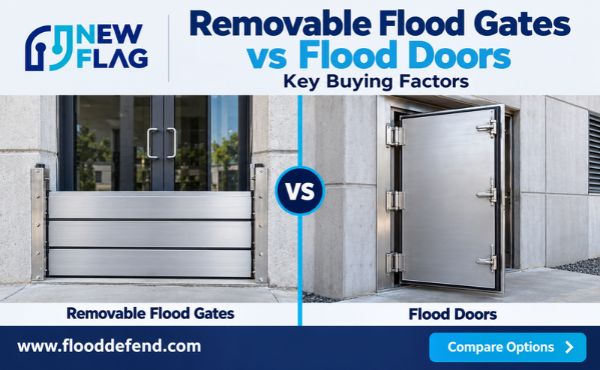

The main difference between removable flood gates and flood doors is how the closure becomes ready for flooding. Removable gates are brought to an opening and secured when protection is needed. Flood doors remain attached as part of a permanent assembly, but their flood resistance still depends on the correct closed and sealed condition. Neither category guarantees protection regardless of operation, installation, or site conditions.
For B2B buyers, the strongest comparison is based on the complete opening and its response plan. Water depth, deployment reliability, everyday access, building work, and maintenance are more useful buying factors than a simple claim that one option is cheaper or stronger.
Product Boundaries and Closure Methods
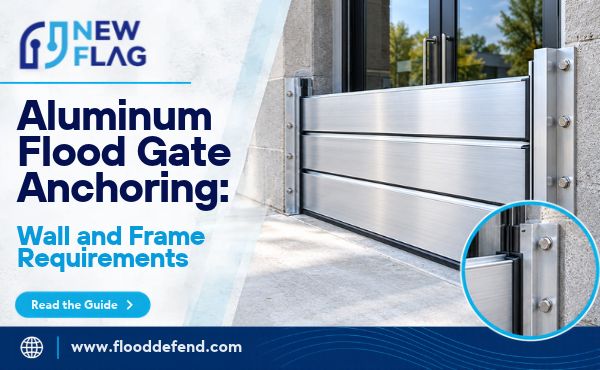
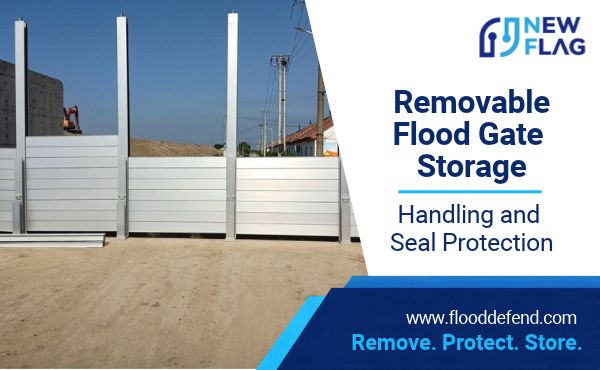
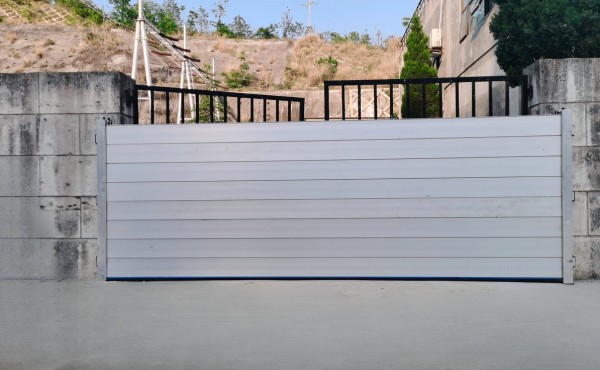
A removable flood gate usually consists of one or more panels that connect to an approved mounting arrangement. Some systems retain side frames permanently; others have removable supports or use another locating method. The panels are stored elsewhere when the opening is in normal use.
A flood door normally combines a leaf, frame, seals, hinges, and closure hardware intended to resist specified water exposure. Some products serve as everyday pedestrian doors. Others are dedicated flood closures placed in front of or behind an ordinary door.
Clarify which type a supplier is offering. A hinged barrier across the lower part of an entrance is not necessarily a full-height pedestrian flood door. Likewise, a removable panel is different from a stackable stop-log system even though both are demountable protection.
Also distinguish building-opening products from gates controlling rivers, canals, or drainage outlets. Their terminology can overlap, but their operating conditions and buying criteria are different. This comparison concerns closures protecting building entrances and comparable openings.
Flood Performance and Evidence
Compare the design water depth and exposure conditions before considering convenience. Both a removable gate and a flood door can be engineered for defined loads. Permanent attachment alone does not establish a higher flood rating, and aluminum construction alone does not establish a lower one.
Review the complete performance evidence: product configuration, tested dimensions, water direction, exposure duration, leakage criteria, and mounting conditions. Ask how a custom opening is covered when it differs from the tested assembly.
A gate can resist the water load while still allowing a specified amount of leakage. The same applies to a flood door. Decide what leakage is acceptable for the protected space and how any residual water will be managed.
Check limitations involving moving water, waves, impact, and overtopping. A static-depth claim should not be read as proof of resistance to every flood condition. A three-sided barrier also does not provide full submergence protection merely because its panel reaches the top of the doorway.
The surrounding building must support the selected closure. Walls, floors, and adjacent openings remain part of the protection strategy. Buying a better-rated door will not correct a water path through an untreated wall penetration.
Deployment Reliability and Warning Time
Removable flood protection depends on accessible components, trained people, and enough time to install them. This can be practical at attended sites with an established warning process. It becomes less reliable where staff are absent, travel is disrupted, or storage is difficult to reach.
Flood doors remove the need to transport a separate panel, but their operation varies. Some need special latches or compression steps; others are designed to reach the flood-resistant condition through normal closure. Ask for the exact sequence rather than assuming that closing the door leaf is sufficient.
| Buying factor | Removable gate | Flood door |
|---|---|---|
| Readiness task | Retrieve, position, and secure panels | Reach the specified closed and sealed condition |
| Storage dependency | Separate component storage usually needed | Main closure remains at the opening |
| Operator dependency | Handling and assembly team | Closure and checks, depending on product |
| Absence risk | Deployment may not occur | Door may remain open or incompletely sealed |
| Drill focus | Retrieval through final inspection | Correct closure from ordinary operating state |
Test the proposed response under ordinary site conditions. Include missing staff, locked rooms, and several openings needing protection at once. The result should inform selection rather than being left until after procurement.
Everyday Access and Building Integration
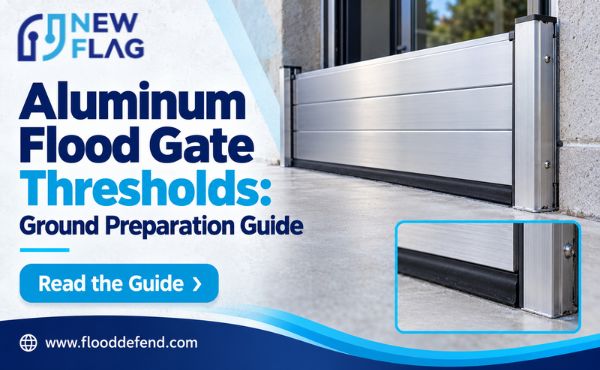
A removable gate can leave the opening largely clear between flood events, although permanent rails, sill plates, or sockets may remain. Check these fittings for interference with trolleys, accessibility, cleaning, and door movement.
A flood door changes the permanent entrance assembly. Consider clear opening width, threshold detail, opening force, hinge clearance, and compatibility with the site’s other door requirements. Where security, fire performance, or access control is needed, verify those requirements separately for the actual assembly.
A dedicated flood door may need parking space when open. That space must remain available despite later furniture or storage changes. An open leaf that obstructs a corridor creates an operational issue even when its flood performance is adequate.
Both options can restrict access during flooding. Do not interpret a pedestrian flood door as permission to open it against retained water. Releasing the closure can compromise protection and expose people to water pressure.
For occupied buildings, coordinate the flood response with evacuation and emergency arrangements. Selection should account for who leaves, when the closure is secured, and what routes remain available, rather than assuming the protected entrance continues to function normally.
Installation and Lifecycle Cost
Compare complete installed costs on the same scope. A removable panel may retain an existing entrance but require frame fixings, floor preparation, and storage equipment. A flood door may require removal of the existing door, structural alterations, and integration with services or access controls.
Add training, inspection, replacement seals, and drills to the lifecycle comparison. Removable components incur handling and storage obligations. Permanently attached doors face routine operating wear, possible impacts, and maintenance of hinges and closure hardware.
Avoid universal payback claims. Flood frequency, property use, response capability, and consequences of failure vary. The appropriate decision may favor a higher initial cost where the alternative deployment process is unreliable, but that reasoning should be tied to the site.
Ask suppliers to separate product supply, installation, enabling works, commissioning, and support. This reveals whether an apparently inexpensive proposal has omitted threshold work or whether a door proposal includes activities absent from the gate price.
Assess spare parts availability over the intended service period. A door or gate with proprietary seals and latches needs an identifiable replacement route. A low initial price can become less useful if critical components are difficult to replace.
A Practical Selection Sequence
First establish the required flood performance and check that both options can meet it at the actual opening. Remove unsuitable configurations before comparing operational benefits.
Next assess response reliability. If the site cannot reliably provide a deployment team, a manually installed panel is a poor match unless the operating plan changes. A permanently installed door may improve readiness, but only if its necessary closure condition can be assured.
Then assess everyday use and construction work. An entrance needing frequent trolley movement may favor a clear normal opening; a critical equipment room may favor a permanently available closure. These are site-specific priorities, not fixed product hierarchies.
Finally compare complete costs and handover obligations. Require approved drawings, operating instructions, and acceptance checks for the chosen configuration. Record why the selected arrangement matches the site’s performance and operating constraints.
Conclusion
Removable flood gates and flood doors should be compared by their verified performance and suitability for the site’s operating conditions. Removable gates require accessible storage, trained personnel, and reliable deployment time. Flood doors remain at the opening but still require correct closure and maintenance. Before purchasing, confirm water depth, leakage limits, structural support, everyday access, and installation requirements. Compare complete lifecycle costs and test the response plan. Choose the assembly that meets flood requirements and can be operated reliably onsite. Contact NewFlag For custom details or quote!