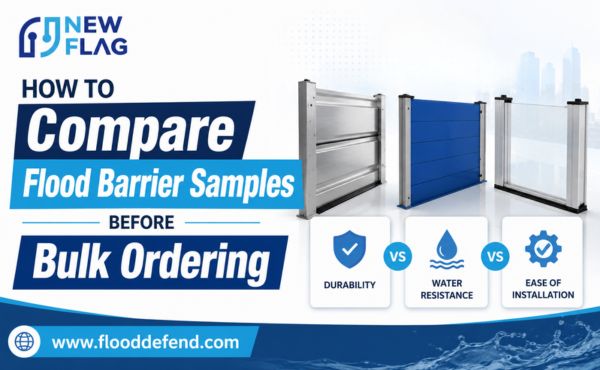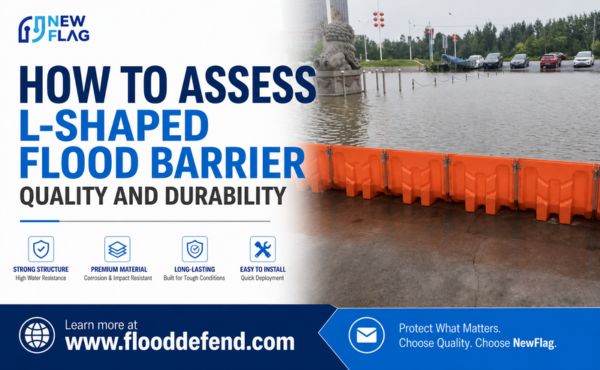
A systematic approach is essential when you compare flood barrier samples before making a bulk order. Focus on key criteria such as material, performance, pricing, application, and lifespan. Use comparison tools and record your findings to help you make a confident and informed decision.
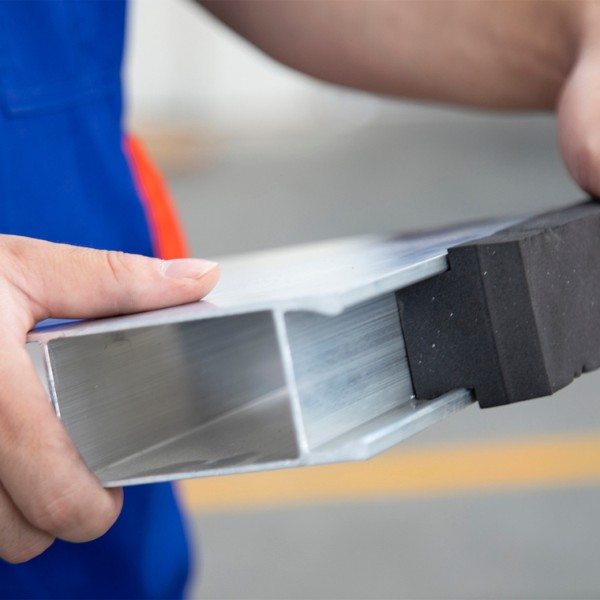
Define Your Flood Protection Needs
Assess Site Risks and Water Levels
Every location faces different flood risks. Start by identifying the main threats to your property. Look at past weather events and local flood maps to see how much water could enter your area.
Measure the highest water level that has reached your site in the past. This information helps you choose the right samples for testing. If you are unsure, ask a storm protection planner for advice.
Think about how water moves around your property. Check for low spots, drains, and entry points. These details will help you match your flood protection needs to the right solutions.
Identify Application and Duration
Decide where you need flood protection the most. Some areas may need barriers for doors, garages, or driveways. Other places might need coverage for larger spaces like yards or parking lots.
Consider how long you need the barriers to stay in place. Some needs are short-term, such as during a single storm. Others require long-term solutions for an entire season.
A storm protection planner can help you decide if you need temporary or permanent barriers. Write down your needs before you compare products. This step ensures you select the best flood protection for your situation.
Compare Flood Barrier Samples: Key Criteria
Material Thickness and Durability
When you compare flood barrier samples, start with material thickness and durability. Thick materials often provide better resistance to water pressure. A strong barrier can last longer and protect your property during severe floods.
Installation and Removal Ease
Ease of installation and removal is important for any flood barrier. Some barriers require special tools, while others can be set up by hand. Choose a sample that matches your team’s skill level and the time you have before a flood.
A simple checklist can help you compare flood barrier samples for setup time and effort. This makes it easier to select the right product for your needs.
Performance Testing for Leakage
Leakage testing shows how well a barrier works under real conditions. Set up each sample and pour water against it to check for leaks. Record the results in your comparison chart.
Size and Customization
Flood barriers come in many sizes and shapes. Some can be cut or joined to fit special spaces. When you compare flood barrier samples, look for options that match your site’s needs.
A table can help you list the available sizes and customization features for each sample. This makes it easier to choose the best fit for your property.
| Sample Name | Sizes Available | Customization Options |
|---|---|---|
| Sample A | 3 ft, 6 ft | Yes |
| Sample B | 4 ft, 8 ft | No |
Safety and Compliance
Safety is a key factor when you compare flood barrier samples. Check if each sample meets local safety codes and standards. Barriers that follow regulations offer better protection and reduce legal risks.
Ask suppliers for compliance certificates. Add this information to your comparison matrix for a clear overview.
Lifespan and Reusability
Lifespan and reusability affect the long-term value of a flood barrier. Some barriers last for years and can be used many times. Others are for single use only.
When you compare flood barrier samples, note how many times each one can be reused. This helps you balance cost and performance over time.
Comparing Flood Barriers and Pricing
Understanding Pricing Structures
Start by checking the price of each flood barrier sample. Many suppliers list prices per panel or per foot. This helps you estimate the total cost for your project.
When comparing flood barriers and pricing, look for extra fees. These may include shipping, taxes, or special installation charges. Understanding bulk discounts can help you save money when placing bulk orders.
Ask suppliers if they offer price breaks for large quantity purchases. This step is important for budget planning. Always request a full price breakdown before making a decision.
Using Online Calculators for Bulk Orders
Many suppliers provide online tools for flood barrier calculation. These calculators help you estimate the number of panels or barriers you need. Calculating barrier quantities ensures you do not order too much or too little.
Enter your site measurements and water height into the calculator. The tool will show the total quantity and cost. This makes it easier to plan your budget and compare options.
Cost vs. Effectiveness Analysis
Do not focus only on the lowest price. Consider how well each barrier protects your property. A higher cost may give you better protection and longer lifespan.
Make a table to compare cost, effectiveness, and durability for each sample. This helps you see which option fits your budget and safety needs.
| Sample Name | Cost per Panel | Effectiveness | Lifespan |
|---|---|---|---|
| Sample A | $50 | High | 5 years |
| Sample B | $40 | Medium | 3 years |
Balancing cost with protection level is key. Good budget planning means you get the best value for your money and peace of mind during floods.
Hands-On Testing and Supplier Evaluation
Setting Up Fair Sample Tests
Testing each flood barrier sample in real conditions helps you see how it performs. Set up each barrier in the same location and use the same amount of water for every test. This method gives you a fair way to compare results.
Requesting samples or demos from each supplier lets you check how easy the barriers are to install and remove. You can also see if the barrier fits your site and if it stands up to pressure. Take notes on each step of the process.
Documenting and Comparing Results
Keep a detailed record of every test. Write down what you see, such as leaks, movement, or damage. Use a table to compare each sample side by side.
| Sample Name | Setup Time | Leakage | Fit | Notes |
|---|---|---|---|---|
| Sample 1 | 10 min | None | Good | No issues |
| Sample 2 | 15 min | Minor | Fair | Some leaking |
A comparison chart helps you spot the best and worst performers. This makes choosing flood barrier suppliers much easier.
Evaluating Supplier Support and Warranty
Good support from a supplier can make a big difference. Contact each company to ask questions about installation, maintenance, and warranty. Notice how quickly they reply and how helpful their answers are.
Ask about the warranty terms for each barrier. A strong warranty shows the supplier stands behind their product. If possible, request a demo of their support process to see how they handle real issues.
Final Comparison and Decision
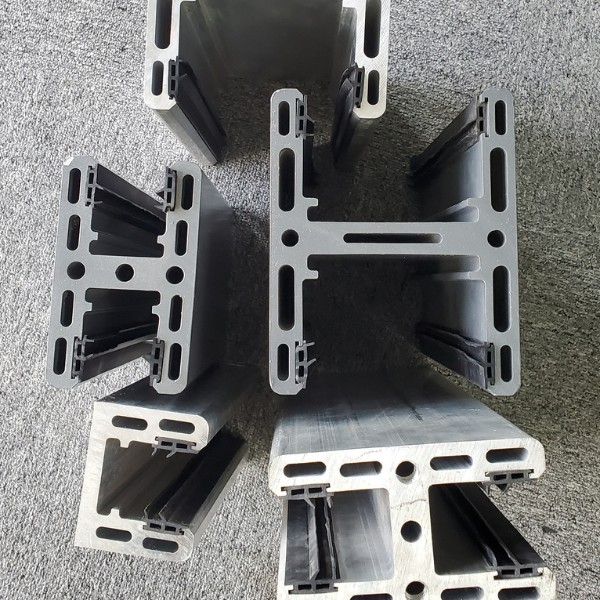
Weighing Pros and Cons
After testing and recording your results, review all the data you have collected. A comparison matrix or checklist helps you see the strengths and weaknesses of each flood barrier sample. This tool makes it easier to spot which options meet your needs best.
Here is a simple example of a comparison checklist:
| Criteria | Sample 1 | Sample 2 | Sample 3 |
|---|---|---|---|
| Material Durability | ✅ | ✅ | ❌ |
| Easy Installation | ✅ | ❌ | ✅ |
| Low Leakage | ✅ | ✅ | ❌ |
| Custom Sizes | ❌ | ✅ | ✅ |
| Good Warranty | ✅ | ❌ | ✅ |
Check each box as you review your notes. This method gives you a clear view of which sample performs best in each category.
Making a Confident Bulk Order
Before placing a bulk order, review your top priorities. Some buyers value durability most. Others focus on price or ease of use.
List your top three criteria. Match these with the highest-scoring samples from your checklist. This step ensures your final choice fits your unique needs.
- Review your comparison chart.
- Confirm the supplier offers strong support and warranty.
- Double-check the total cost and delivery timeline.
If you feel unsure, ask for more details or another sample. Taking time now prevents mistakes later.
Conclusion
A systematic approach helps you compare flood barrier samples with confidence. Use the steps and tools in this guide to make smart choices before placing a bulk order.