It depends. Discounts for Flood Barriers are not guaranteed and can change based on your insurer and state. Florida law does not require flood mitigation discounts, but some insurers may offer them. Always check with your insurance provider for eligibility and requirements.

Flood Barriers and Flood Insurance Discounts
How Flood Barriers Reduce Risk
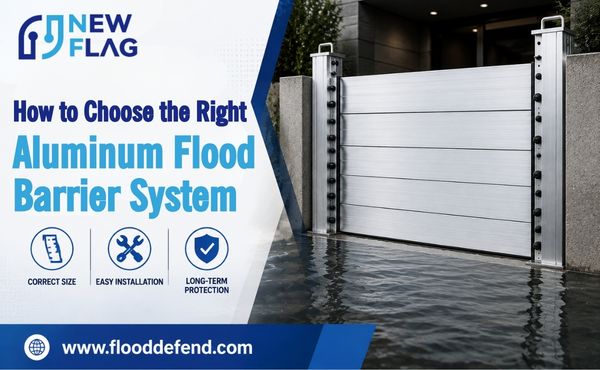
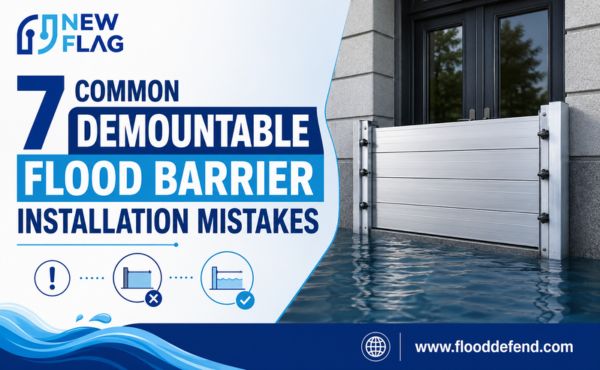
Flood barriers help keep water away from homes during heavy rain or storms. These barriers can block or redirect flood water, which lowers the chance of damage. When flood barriers are in place, the risk of costly repairs goes down.
Some flood barriers are permanent, while others can be set up quickly before a storm. Both types can protect homes from rising water. By lowering the risk of flood damage, flood barriers make homes safer and more secure.
Why Insurers May Offer Discounts
Insurance companies look at how likely a home is to have flood damage. If flood barriers are installed, the chance of a claim goes down. This lower risk can make the home less expensive to insure.
Some insurers, including the National Flood Insurance Program (NFIP) and private companies, may offer a discount for homes with flood barriers. Not all states require these discounts by law. Homeowners should always ask their flood insurance provider about possible savings.
A table can help show how flood barriers affect insurance:
| Flood Barrier Type | Risk Reduction | Possible Insurance Impact |
|---|---|---|
| Permanent | High | May lower rates |
| Temporary | Medium | May lower rates |
| Engineered | High | May lower rates |
| Natural | Medium | May lower rates |
Qualifying Flood Barriers
Permanent Flood Barriers
Permanent flood barriers are built into the structure of a home or property. These barriers include flood walls, levees, and raised foundations. They stay in place year-round and provide strong flood mitigation measures that can lower the risk of water entering your home.
Temporary Flood Barriers
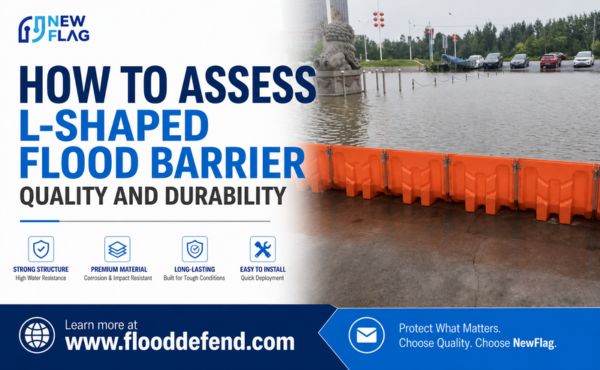
Temporary flood barriers are designed for quick setup before a flood event. Homeowners can use sandbags, water-filled tubes, or portable panels. These barriers offer flexible flood mitigation measures and can help reduce damage during emergencies.
Engineered Flood Barriers
Engineered flood barriers use advanced materials and designs. These barriers may include custom gates, shields for doors and windows, or mechanical systems that activate when water levels rise. Engineered options often meet high standards and may qualify for insurance discounts if installed correctly.
Natural Flood Protection
Natural flood protection uses landscaping and natural features to manage water flow. Rain gardens, swales, and planted berms can slow down and absorb floodwater. These methods help lower flood risk and support the environment at the same time.
Insurer Requirements for Flood Protection Measures
Required Documentation
Insurance companies often ask for proof when homeowners install flood barriers. You may need to provide photos, receipts, or installation reports. These documents help insurers verify that the flood protection measures are in place and working as intended.
Some insurers require a certificate from a licensed contractor. This certificate shows that the flood barriers meet local building codes. Keeping all paperwork organized makes it easier to apply for flood insurance discounts.
Installation Standards
Flood insurance providers set standards for how barriers must be installed. Barriers must follow guidelines to ensure they reduce flood risk. Insurers may check that the installation meets city or county codes.
A table can help show common installation standards:
| Standard | Why It Matters |
|---|---|
| Professional Installation | Ensures proper function |
| Code Compliance | Meets safety requirements |
| Regular Maintenance | Keeps barriers effective |
Meeting these standards helps homeowners qualify for insurance discounts. Insurers want to see that flood barriers will work during a flood event.
Approved Products and Certifications
Insurance companies may only recognize certain flood barrier products. Approved products often have certifications from safety organizations. These certifications show that the barriers can withstand flood conditions.
Some insurers keep a list of accepted products. Homeowners should check this list before buying flood barriers. Using approved products increases the chance of getting a flood insurance discount.
Applying for Flood Insurance Discounts
Contacting Your Insurer
Start by reaching out to your insurance company. Ask if your flood barriers or other flood protection measures can help lower your flood insurance premiums. Request a list of requirements for applying for a discount.
Submitting Proof of Flood Barriers
Gather all documents that show you installed flood barriers. These may include receipts, photos, and certificates from contractors. Submit these documents to your insurance provider as proof of your flood protection efforts.
A checklist can help you stay organized:
- Photos of installed flood barriers
- Receipts for materials and labor
- Certificates of compliance with local codes
Inspections and Assessments
Some insurance companies may want to inspect your home. An inspector checks that the flood barriers meet their standards and actually reduce flood risk. The inspection helps the insurer decide if your flood insurance premiums should be adjusted.
If an inspection is needed, schedule it as soon as possible. Make sure the barriers are in good condition before the visit.
Following Up on Your Application
After submitting your documents and completing any inspections, follow up with your insurance company. Ask if your application for a discount has been reviewed. If you qualify, confirm how much your flood insurance premiums will change.
Other Flood Protection Measures for Lower Flood Insurance Rates
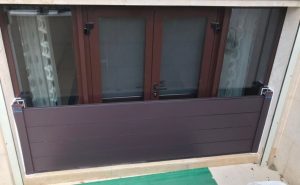
Elevating Your Home or Utilities
Raising your home above the base flood level can lower flood insurance rates. This method reduces flood risk by keeping water away from living spaces. Many homeowners in Florida choose to elevate their homes or important utilities, such as air conditioning units and electrical panels, to meet florida flood insurance requirements.
Improving Drainage
Good drainage systems help move water away from your property. Installing French drains, sump pumps, or grading your yard can reduce flood risk. These changes can make a big difference in lowering florida flood insurance costs and may help you qualify for better flood insurance rates.
Using Flood-Resistant Materials
Flood-resistant materials can protect your home from water damage. Materials like tile, concrete, and closed-cell insulation do not absorb water easily. Using these materials in basements or lower floors can help lower florida flood insurance rates and reduce the chance of expensive repairs.
A table shows common flood-resistant materials:
| Material | Benefit |
|---|---|
| Tile Flooring | Easy to clean after flood |
| Concrete Walls | Strong against water |
| Closed-Cell Foam | Resists water damage |
Community Flood Programs
Some communities join flood programs that help lower flood insurance rates for everyone. These programs may include building levees, improving stormwater systems, or creating green spaces to absorb water. Homeowners in Florida can ask their local officials if their area takes part in these programs, which can lead to lower florida flood insurance premiums and less flood risk.
Conclusion
Flood Barriers can significantly reduce flood risk by blocking or redirecting water, which may make homes more attractive to insurers. However, insurance discounts are not guaranteed and depend on provider rules, state regulations, and proper documentation. Meeting installation standards and combining other mitigation measures can further improve eligibility. Overall, Flood Barriers remain a practical risk-reduction tool that can support lower long-term insurance costs where approved.