A temporary flood barrier is a crucial tool for protecting homes and businesses from unexpected flooding. These portable solutions are designed to be quickly deployed, providing immediate protection during a flood event. Understanding when and how to use a temporary flood barrier can help mitigate damage and reduce costly repairs. In this article, we’ll explore what a temporary flood barrier is and when it’s most effective to use.
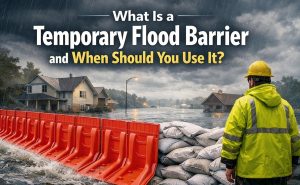
Temporary Flood Barrier Definition
What Is a Temporary Flood Barrier
A temporary flood barrier is a movable structure that helps protect areas from rising water. People can set up these barriers quickly when a flood warning is issued. Most temporary flood barriers are lightweight and easy to transport, which makes them ideal for emergency situations.
These barriers come in different shapes and sizes. Some use materials like plastic, metal, or fabric. Others use water or air to create a strong wall. The main goal is to stop or slow down water before it reaches buildings or roads.
Purpose and Use
The main purpose of a temporary flood barrier is to provide short-term protection during emergencies. Homeowners, businesses, and city workers use these barriers to keep water away from important places. They can place them at doors, driveways, or around entire buildings.
Temporary flood barriers work best when there is little time to prepare. People often use them during sudden storms or when rivers rise quickly. These barriers help reduce damage and give people more time to respond.
Temporary vs Permanent Barriers
Temporary flood barriers differ from permanent barriers in several ways. Temporary options are portable and designed for quick setup and removal. They are not meant to stay in place after the flood risk passes.
Permanent barriers, such as concrete walls or levees, stay in one location for years. They offer long-term protection but require more planning and higher costs. Temporary flood barriers are best for short-term needs or areas where floods do not happen often.
The table below highlights the main differences:
| Feature | Temporary Flood Barriers | Permanent Barriers |
|---|---|---|
| Portability | High | Low |
| Setup Time | Minutes to hours | Weeks to months |
| Use Duration | Short-term | Long-term |
| Cost | Lower | Higher |
| Reusability | Often reusable | Fixed in place |
Choosing between these barriers depends on the flood risk, budget, and how often protection is needed.
Temporary Flood Barrier Types

L-Shaped Flood Barrier
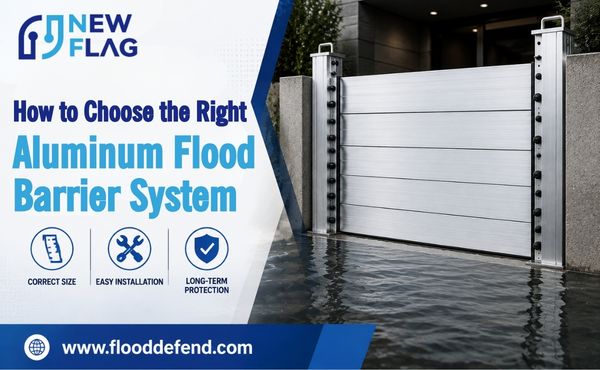
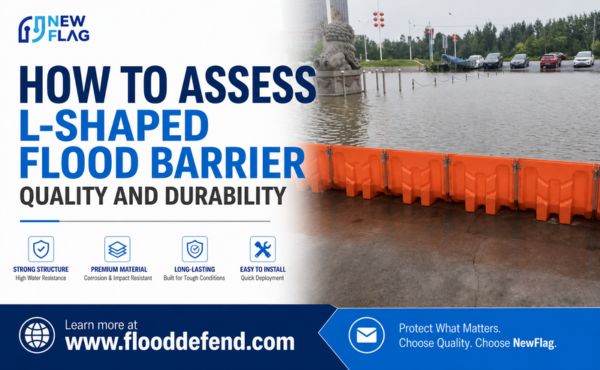
L-shaped removable flood barriers use a sturdy frame that stands upright when placed on flat surfaces. These barriers block water from entering buildings or roads. People often install them at entryways, parking lots, or along sidewalks.
The design allows for quick setup and removal. Workers can stack the barriers for easy transport and storage. Many L-shaped removable flood barriers are reusable, making them a practical choice for repeated flood events.
Sandbags
Sandbags are the most common type of removable flood barriers. They consist of woven bags filled with sand or soil. People place sandbags in layers to create a wall that slows or stops flood water.
Sandbags are lightweight before filling, so they are easy to move and distribute. They can protect homes, businesses, and roads during emergencies. Sandbags are often used at doorways, driveways, and around yards.
Sandbags are not always reusable. Wet sandbags may become heavy and contaminated after a flood. Proper disposal is important to prevent environmental harm.
| Feature | Sandbags |
|---|---|
| Reusability | Limited |
| Transport | Easy before filling |
| Installation | Doorways, yards, roads |
Water-Filled Barriers
Water-filled removable flood barriers use empty tubes or containers that expand when filled with water. These barriers create a strong wall that blocks flood water. People can deploy them quickly in areas where traditional barriers are not practical.
Water-filled removable flood barriers are easy to transport when empty. They are lightweight and compact, so they fit in vehicles or storage rooms. After use, people drain the water and store the barriers for future emergencies.
These removable flood barriers work well at entrances, parking lots, and along streets. They are reusable and provide flexible protection for different locations.
Inflatable Barriers
Inflatable removable flood barriers use air to create a strong wall against flood water. These barriers arrive deflated and can be quickly inflated with pumps or blowers. People often use inflatable removable flood barriers in areas where traditional barriers cannot fit.
The lightweight design makes transport easy. Workers can carry inflatable removable flood barriers to entryways, yards, or roads. After inflation, the barriers expand and form a tight seal that blocks flood water.
Many inflatable removable flood barriers are reusable. After the flood passes, people deflate the barriers and store them for future emergencies. The setup and removal process is fast, which helps during sudden flood events.
Inflatable removable flood barriers work well in urban and rural locations. They protect homes, businesses, and construction sites. The flexibility of these barriers allows for custom shapes and sizes.
| Feature | Inflatable Barriers |
|---|---|
| Reusability | High |
| Transport | Lightweight |
| Installation | Entryways, yards, roads |
Modular Panels
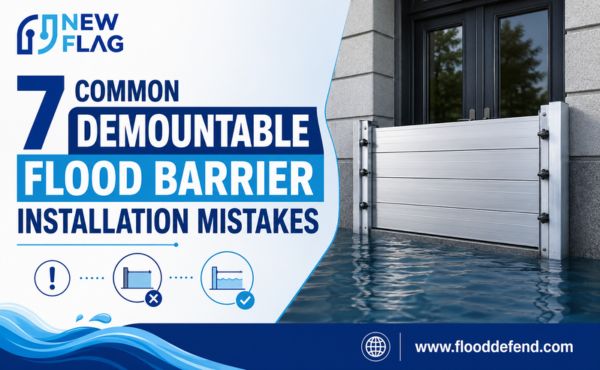
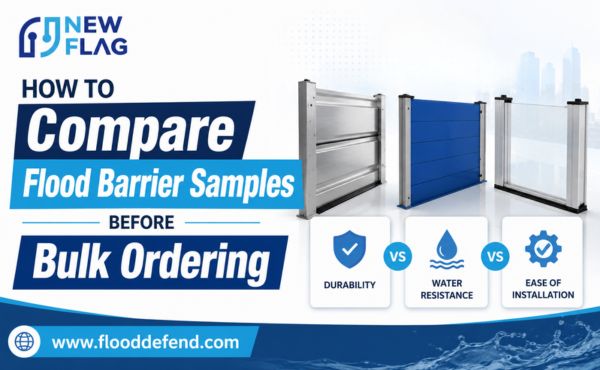
Modular panel removable flood barriers use interlocking panels to build a wall. Each panel connects to the next, forming a barrier that blocks flood water. People can adjust the length and height of modular panel removable flood barriers to fit different spaces.
The panels are easy to transport. Workers can carry modular panel removable flood barriers to doorways, parking lots, or along streets. The panels stack for storage and can be reused many times.
Modular panel removable flood barriers offer strong protection. The panels use sturdy materials like metal or plastic. People install modular panel removable flood barriers quickly, even in tight spaces.
These removable flood barriers are popular for temporary protection. They help during flood emergencies and can be removed after the risk passes. Modular panel removable flood barriers are suitable for homes, businesses, and public areas.
| Feature | Modular Panels |
|---|---|
| Reusability | High |
| Transport | Stackable |
| Installation | Doorways, lots, streets |
Inflatable and modular panel removable flood barriers provide flexible solutions for flood protection. Their portability and reusability make them valuable tools during emergencies.
How Temporary Flood Barriers Work
Installation Process
Temporary flood barriers require a straightforward installation process. Most barriers arrive in compact form, making them easy to transport to the site. Workers place the barriers in the path of expected water flow. Some barriers, like sandbags, need to be filled before stacking. Others, such as water-filled or inflatable types, expand after filling with water or air.
The steps for installation usually include:
- Identify the area needing protection.
- Prepare the surface by clearing debris.
- Position the barrier according to manufacturer instructions.
- Secure the barrier to prevent movement during a flood.
Deployment Locations
Temporary flood barriers can protect many types of areas. People often use them at entryways, driveways, and around buildings. These barriers also help shield roads and parking lots. In high-risk locations, such as areas near rivers or low-lying neighborhoods, barriers provide extra defense.
The table below shows common deployment locations:
| Location | Barrier Type |
|---|---|
| Entryways | Sandbags, modular panels |
| Yards | Inflatable, water-filled |
| Roads | L-shaped, modular panels |
| Parking lots | Water-filled, modular panels |
| High-risk locations | Any suitable type |
Barriers offer flexible protection. People can adjust the length and height to fit the space.
Removal and Storage
After the flood threat passes, removal becomes important. Workers dismantle the barriers and clean them if needed. Sandbags may require special disposal due to contamination. Water-filled and inflatable barriers must be drained and dried before storage.
Reusable barriers should be inspected for damage. Proper storage extends their lifespan. Most barriers stack or fold for easy storage in warehouses or garages.
Temporary flood barriers provide a practical solution for short-term protection. Their easy installation, flexible deployment, and simple removal make them valuable tools during flood emergencies.
Temporary Flood Barriers Advantages
Portability
Portability is a major advantage of temporary flood barriers. Most barriers are lightweight and easy to carry. People can move them quickly to areas that need flood protection. This feature helps homeowners and workers respond to sudden flood threats.
Many barriers fit in vehicles or storage spaces. They do not require special equipment for transport. Portable barriers allow flexible flood protection in different locations.
Quick Setup
Temporary flood barriers offer quick setup. Most designs require only a few steps for installation. Workers can deploy barriers in minutes, which is important during fast-moving flood events.
Some barriers, like sandbags, need filling before use. Others, such as water-filled or inflatable types, expand rapidly. Quick setup reduces the risk of water damage and improves flood protection.
The table below shows setup times for common barrier types:
| Barrier Type | Setup Time |
|---|---|
| Sandbags | 30-60 minutes |
| Water-filled | 10-20 minutes |
| Inflatable | 15-30 minutes |
| Modular panels | 20-40 minutes |
Fast installation helps protect homes, businesses, and roads from flood water.
Reusability
Reusability is another benefit of temporary flood barriers. Many barriers can be used multiple times. After a flood event, people clean and store the barriers for future emergencies.
Reusable barriers save money and reduce waste. Modular panels and inflatable barriers often last for several years. Water-filled barriers can be drained and stored easily.
Reusable barriers provide reliable flood protection for repeated events. They help communities prepare for future floods without buying new equipment each time.
Flexible Protection
Temporary flood barriers provide flexible protection for many situations. These barriers can adapt to different flood risks and locations. People use them for homes, businesses, roads, and public spaces.
One key advantage is their ability to fit various shapes and sizes. Barriers can be arranged in straight lines, curves, or corners. This flexibility helps protect both small entryways and large open areas.
Temporary barriers work well for different types of floods. They can block water from heavy rain, overflowing rivers, or melting snow. People can move and adjust the barriers as conditions change.
Here are some ways temporary flood barriers offer flexible protection:
- Customizable Length: Connect multiple units to cover wide spaces.
- Variable Height: Stack or combine barriers for higher water levels.
- Easy Relocation: Move barriers to new locations as needed.
- Multiple Uses: Protect doors, garages, driveways, and even entire buildings.
The table below shows how different barrier types can be used in various locations:
| Barrier Type | Best Use Areas | Adjustable? |
|---|---|---|
| Sandbags | Doorways, yards | Yes |
| Water-filled | Streets, parking lots | Yes |
| Inflatable | Entryways, roads | Yes |
| Modular panels | Large buildings, lots | Yes |
| L-shaped | Sidewalks, driveways | Limited |
Temporary flood barriers also allow for quick changes during an emergency. If water levels rise, people can add more barriers or move them to new spots. This adaptability helps reduce damage and keeps people safe.
Flexible protection means that one solution can fit many needs. Temporary flood barriers give communities the tools to respond to changing flood risks. Their adaptability makes them a smart choice for short-term and unexpected events.
Limitations of Temporary Flood Barriers
Effectiveness in Severe Floods
Temporary defenses offer quick flood protection, but they have limits during extreme events. High water pressure can overwhelm these barriers, causing leaks or collapse. In severe floods, permanent defenses often provide stronger prevention.
Some barriers may shift if water flows rapidly. Heavy debris can damage them, reducing their ability to stop water. Emergency teams sometimes need to reinforce temporary defenses with extra materials.
Maintenance Needs
Temporary defenses require regular checks to stay effective. After each use, people should inspect barriers for tears, holes, or weak spots. Damaged barriers may not provide reliable flood protection during the next event.
Cleaning is important for prevention of mold and decay. Water-filled and inflatable defenses need to dry completely before storage. Sandbags often become contaminated and must be disposed of safely.
A simple maintenance checklist includes:
- Inspect for damage after each use.
- Clean and dry all parts.
- Store in a dry, safe place.
- Replace worn or broken defenses.
Proper care extends the life of temporary barriers and ensures they work when needed.
Environmental Impact
Temporary defenses can affect the environment if not managed well. Sandbags, for example, may contain chemicals or bacteria after a flood. Improper disposal can harm soil and water sources.
Plastic and synthetic materials from barriers may take years to break down. Reusable defenses help reduce waste, but damaged items still need safe disposal. Prevention of pollution is a key part of responsible flood protection.
Communities should follow local guidelines for disposal and recycling. Using eco-friendly materials in barriers can lower their impact on nature.
| Environmental Concern | Prevention Tip |
|---|---|
| Contaminated sandbags | Dispose at approved sites |
| Plastic waste | Choose reusable defenses |
| Water pollution | Avoid dumping in waterways |
Temporary barriers play a vital role in flood prevention, but understanding their limits helps communities prepare better. Regular maintenance and responsible disposal support both safety and the environment.
Flood Barrier Usage Scenarios
Emergency Flood Warnings
Temporary flood barrier systems play a key role during emergency flood warnings. When weather alerts signal a high flood risk, people need to act fast. These barriers can be set up quickly to block water from entering homes, businesses, or streets.
Many communities keep temporary flood barriers in storage for these situations. City workers or homeowners can deploy them in minutes. This fast response helps reduce damage and keeps people safe.
Short-Term Protection
Short-term protection is important when flood risk is not constant. Some areas only face flooding during certain seasons or after heavy rain. Temporary flood barriers offer a flexible solution for these changing conditions.
People use these barriers for a few days or weeks until the flood threat passes. Afterward, they remove and store the barriers for future use. This approach saves money and reduces waste compared to permanent walls.
A table below shows when short-term protection is useful:
| Situation | Why Use Temporary Barriers? |
|---|---|
| Sudden storms | Quick setup for fast response |
| Snowmelt season | Use only when water levels rise |
| Construction projects | Protect sites during work |
Homes and Businesses
Homes and businesses often face the greatest risk during a flood. Water can damage buildings, furniture, and equipment. Temporary flood barriers provide a strong line of defense for these properties.
Homeowners place barriers at doors, garages, and driveways. Business owners protect entryways, loading docks, and storage areas. These barriers help keep water out and limit costly repairs.
Real-life examples show the value of these barriers. In one neighborhood, residents used temporary flood barriers to protect homes during a river overflow. Businesses in low-lying areas often rely on these barriers to stay open after heavy rain.
Choosing the right barrier depends on the location and type of flood risk. People should consider how much water to expect and how quickly they need to respond.
Construction Sites
Construction sites face unique risks during heavy rain and rising water. Temporary flood barriers help protect equipment, materials, and unfinished structures. Workers can install these barriers around the perimeter or at entry points.
Many construction projects use modular panels or water-filled barriers. These options allow quick setup and removal. Workers can adjust the length and height to fit the site’s needs.
A real-life example shows a construction team using water-filled barriers to shield a foundation from unexpected rain. The barriers prevented water from entering the site and damaging materials.
Decision factors for choosing temporary barriers at construction sites include:
- Site location and elevation
- Expected water levels
- Speed of installation
- Reusability for future projects
The table below highlights common barrier types and their benefits for construction sites:
| Barrier Type | Benefit | Best Use Area |
|---|---|---|
| Modular panels | Strong, reusable | Perimeter, entryways |
| Water-filled | Quick setup, flexible | Foundations, roads |
| Sandbags | Low cost, easy to place | Small areas, corners |
Construction sites benefit from temporary flood barriers because they offer fast, flexible protection. These barriers help keep projects on schedule and reduce repair costs.
Temporary vs Permanent Barriers
Key Differences
Temporary and permanent barriers serve the same purpose, but they have important differences. Temporary options are designed for quick setup and removal. Permanent solutions stay in place for many years and require more planning.
Temporary barriers are portable and can be moved to different locations. Permanent barriers are fixed and protect one area only. The choice depends on how often an area faces water threats.
Cost Comparison
Cost is a major factor when choosing between these two types. Temporary barriers usually cost less to buy and install. They do not need heavy equipment or large teams for setup.
Permanent barriers require a bigger investment. Construction takes more time and money. Maintenance costs are also higher for permanent solutions.
The table below compares the costs:
| Type | Initial Cost | Maintenance | Installation Time |
|---|---|---|---|
| Temporary Barriers | Low | Low | Fast |
| Permanent Barriers | High | High | Slow |
Suitability
Suitability depends on the location and risk level. Temporary barriers are ideal for places with occasional water threats. They are also useful for protecting homes, businesses, and construction sites during emergencies.
Permanent barriers fit areas with frequent or severe water problems. They protect large spaces like towns, factories, or important roads. These barriers stay ready at all times.
When choosing a solution, consider the following:
- How often does the area face water threats?
- What is the budget for protection?
- Is quick setup important?
Choosing Flood Barriers
Assessing Flood Risk
Understanding flood risk is the first step in choosing the right barriers. People should check local maps and weather reports to see if their area faces frequent flooding. Some regions have higher flood risk due to rivers, lakes, or low elevation. Homeowners and business owners can ask local authorities for information about past flood events.
A simple checklist helps identify flood risk:
- Is your property near water?
- Has your area flooded before?
- Do weather alerts often mention flooding?
People who live in high-risk zones need stronger protection. Those in low-risk areas may only need basic barriers.
Budget Considerations
Budget plays a big role in selecting barriers. Some types cost less but offer limited protection. Others require a higher investment but last longer and can be reused. People should compare prices and think about how often they will use the barriers.
The table below shows common options and their costs:
| Barrier Type | Initial Cost | Reusability | Maintenance Cost |
|---|---|---|---|
| Sandbags | Low | Limited | Low |
| Water-filled | Medium | High | Medium |
| Modular panels | High | High | Medium |
People should choose barriers that fit their budget and provide enough protection for their flood risk. Buying reusable barriers can save money over time.
Installation and Maintenance
Installation and maintenance affect how well barriers work. Some barriers are easy to set up and remove. Others need special tools or extra help. People should read instructions and practice installing barriers before a flood happens.
Maintenance keeps barriers ready for future use. After each event, people should clean and inspect the barriers. Damaged barriers may not protect against the next flood. Storing barriers in a dry place prevents mold and decay.
A basic maintenance routine includes:
- Cleaning after use
- Checking for damage
- Storing in safe locations
Choosing the right barriers depends on flood risk, budget, and how easy they are to install and maintain. Careful planning ensures better protection and peace of mind.
Conclusion
In summary, temporary flood barriers provide essential, flexible protection against flood risks, especially when time is limited. Their portability, quick setup, and reusability make them invaluable for homeowners, businesses, and construction sites facing unexpected flood threats. While they offer a practical solution for short-term emergencies, proper maintenance and responsible disposal are key to maximizing their effectiveness. Understanding the benefits and limitations of temporary flood barriers ensures better preparedness and minimizes potential damage during critical flood events.