Glass Flood Protection Overview
What Are Glass Flood Protection Walls
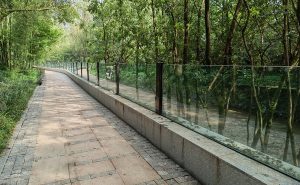
Glass wall flood barriers are transparent structures designed to stop water from entering certain areas. These barriers use strong panels made from laminated safety glass. A fixed glass flood wall stays in place at all times and does not need to be moved or set up before a flood.
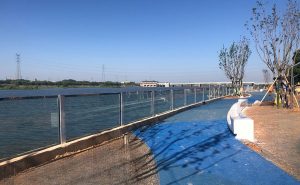
The main purpose of a fixed glass flood wall is to protect buildings, streets, or public spaces from rising water. Many cities use these walls along rivers or waterfronts. Homeowners and businesses also install glass wall flood barriers to keep their property safe.
How Glass Flood Protection Works
A fixed glass flood wall works by forming a solid barrier that water cannot pass through. The panels connect tightly to each other and to the ground. This design keeps water from leaking between the glass sections.
Most fixed glass flood wall systems use thick, multi-layered glass. The glass can handle strong water pressure during floods. The base of the wall often includes a seal or gasket to block water from seeping underneath.
Glass vs. Traditional Barriers
Traditional flood barriers often use concrete, steel, or earth. These materials block water but also block views. A fixed glass flood wall allows people to see through the barrier, which helps keep city views open and attractive.
The table below compares key features:
| Feature | Fixed Glass Flood Wall | Traditional Barriers |
|---|---|---|
| Transparency | Yes | No |
| Maintenance | Needs cleaning, repairs | May need painting, patching |
| Installation | Permanent | Permanent or temporary |
| Visual Impact | Minimal | High |
| Flood Protection Level | High | High |
Glass wall flood barriers blend into their surroundings better than concrete walls. They do not create a closed-off feeling in public spaces. Many cities choose glass flood protection for areas where appearance matters.
Advantages of Glass Flood Protection
Visual Transparency
A fixed glass flood wall allows people to see through the barrier at all times. This feature keeps natural light flowing into public spaces and private properties. Unlike solid barriers, glass wall flood barriers do not block scenic views of rivers, parks, or city streets.
Preserving Cityscapes
Many cities value their historic and modern skylines. Glass wall flood barriers help maintain these cityscapes by blending into the background. They protect against flooding while letting residents and visitors enjoy the beauty of the surroundings.
Aesthetic Integration
A fixed glass flood wall fits smoothly into many architectural styles. Designers can match the wall’s height and shape to nearby buildings or landscapes. This level of aesthetic integration makes the solution appealing for both new projects and renovations.
Minimal Visual Impact
Glass wall flood barriers have a low profile and do not create a sense of separation. People can gather, walk, or relax near these barriers without feeling closed in. The clear panels help public spaces remain open and inviting.
Passive Protection
A fixed glass flood wall provides constant flood protection. The barrier stands ready at all times, even when there is no immediate threat. This passive system does not require any setup before a storm or heavy rain.
No Operational Input
Glass wall flood barriers work without human intervention. There is no need to move, lift, or assemble parts before a flood event. This feature reduces the risk of mistakes and ensures reliable protection for homes, businesses, and public areas.
Effective Performance
A fixed glass flood wall offers strong water tightness. The panels connect with seals that block water from passing through. This design keeps buildings and streets dry during floods.
The base of a fixed glass flood wall uses a gasket or seal. This feature prevents water from leaking underneath the barrier. Many cities trust this system for reliable flood protection.
Corrosion Resistance
A fixed glass flood wall resists corrosion better than metal barriers. The glass panels do not rust or weaken when exposed to water. This quality helps the wall last for many years with less damage.
The support frames often use stainless steel or aluminum. These materials also resist corrosion. As a result, glass wall flood barriers need fewer repairs over time.
Safety and Monitoring
A fixed glass flood wall improves safety by allowing clear views. People can see both sides of the barrier at all times. This feature helps drivers, pedestrians, and emergency workers move safely near the wall.
Glass wall flood barriers do not block sightlines. This benefit makes it easier to monitor water levels and spot problems quickly. City workers can check for leaks or damage without removing any parts.
Public Space Benefits
A fixed glass flood wall supports safe and open public spaces. The clear panels let people enjoy parks, walkways, and riverfronts without feeling closed in. This solution encourages community use and gatherings.
Glass wall flood barriers help cities balance safety and beauty. The walls protect against floods while supporting aesthetic integration with the surroundings. Many communities choose this option to keep public areas attractive and secure.
Disadvantages of Glass Flood Protection
High Upfront Cost
A fixed glass flood wall uses special laminated glass. This material costs more than concrete or steel. The installation process also requires skilled workers and heavy equipment.
Many projects need custom glass panels. These panels must fit the site exactly. This custom work increases the total price.
Cost vs. Other Barriers
A fixed glass flood wall usually costs more than traditional barriers. Concrete and earth walls use cheaper materials. The price difference can be large, especially for long walls.
Some cities choose glass wall flood barriers for important locations. They accept the higher cost for better views and design. Homeowners and small businesses may find the price too high for their needs.
Maintenance Needs
A fixed glass flood wall needs regular cleaning. Dirt, water spots, and algae can build up on the panels. Clean glass keeps the wall clear and attractive.
Public spaces often need more cleaning. Parks and riverfronts get more dust and debris. Maintenance teams must plan for frequent washing.
Repair Challenges
A fixed glass flood wall can crack or chip if hit by hard objects. Repairs require special tools and trained workers. Replacing a damaged panel can take time and cost a lot.
Glass wall flood barriers may need more repairs after storms. Debris in floodwater can strike the panels. Quick repairs are important to keep the wall strong.
Structural Concerns
A fixed glass flood wall must hold back strong water pressure during floods. The design uses thick glass and strong frames. Even so, very high water levels can stress the wall.
Engineers must check the wall’s strength before installation. If the wall is not strong enough, it can fail during a major flood. Regular inspections help spot problems early.
Impact from Debris
Floodwater often carries branches, trash, and other debris. A fixed glass flood wall can break if hit by large or sharp objects. The panels are tough, but not unbreakable.
Some cities add barriers in front of the wall to block debris. This extra step adds to the cost and maintenance. Impact damage is a key risk for glass wall flood barriers.
Choosing Glass Flood Protection
Site Conditions
Site conditions play a major role in selecting glass flood protection walls. The ground must be stable and able to support the weight of the glass panels. Soil type, water table level, and the presence of underground utilities all affect the installation process.
Urban areas often have complex infrastructure below the surface. Engineers need to check for pipes, cables, and other obstacles before starting construction. In some cases, extra support or changes to the design may be needed to fit the site.
The location’s exposure to water and debris also matters. Sites near rivers or busy streets may face higher risks from floating objects or vehicles. Planners should consider these risks when deciding if glass walls are the right choice for urban flood defense.
Budget Considerations
Budget is a key factor for any infrastructure project. Glass flood protection walls cost more than many traditional barriers. The price includes custom glass panels, strong support frames, and skilled labor for installation.
Ongoing costs also need attention. Regular cleaning and repairs add to the total expense over time. Cities and property owners should compare these costs with other options before making a decision.
A clear budget plan helps avoid surprises. It is smart to set aside funds for both installation and future maintenance. This approach keeps the flood protection system working well for many years.
Regulations
Regulations guide the design and placement of glass flood protection walls. Local building codes set rules for height, strength, and safety features. These codes help ensure that the wall will protect people and property during a flood.
Some areas have special rules for infrastructure near rivers, parks, or historic sites. Permits may be needed before starting work. It is important to check with city or county offices early in the planning process.
Environmental laws can also affect the project. Rules may limit changes to natural water flow or require steps to protect wildlife. Following all regulations helps avoid delays and extra costs.
Maintenance Capabilities
Maintenance is a key factor when choosing glass flood protection walls. These systems require regular care to keep them working well and looking good. Owners must plan for cleaning, inspections, and repairs as part of their infrastructure management.
Cleaning is important for glass panels. Dirt, water stains, and algae can build up quickly, especially in public spaces. Maintenance teams need the right tools and training to clean large glass surfaces safely.
Inspections help spot problems early. Cracks, chips, or loose seals can weaken the wall. Regular checks make sure the infrastructure stays strong and ready for floods.
Repairs can be complex. Damaged glass panels often need special equipment and skilled workers. Replacing a panel takes time and may disrupt the use of nearby infrastructure.
Maintenance costs can add up over time. Cities and property owners should include these expenses in their budgets. A well-maintained wall can last many years and provide reliable flood protection.
Community Preferences
Community input matters when planning new infrastructure. People want solutions that fit their needs and values. Glass flood protection walls can support open views and attractive public spaces.
Some communities prefer infrastructure that blends with the environment. Glass walls offer a modern look and do not block cityscapes. This design can help gain public support for flood protection projects.
Public meetings and surveys can gather feedback. Residents may have concerns about safety, cost, or maintenance. Listening to these views helps planners choose the best infrastructure for each location.
Involving the community builds trust. People are more likely to support infrastructure projects when they feel heard. This process leads to better outcomes for everyone.
Conclusion
Glass Flood Protection Walls provide a modern, effective solution for safeguarding properties against floods while preserving visibility, natural light, and urban aesthetics. Their passive, durable design ensures continuous protection with minimal visual impact, making them ideal for both public and private spaces. While upfront costs and maintenance require careful planning, the long-term benefits of reliable flood defense and aesthetic integration make glass flood protection a strategic investment for resilient, well-designed communities.