Flood barriers play a crucial role in protecting communities and infrastructure from rising water levels and severe flooding. By providing a reliable physical barrier, they help prevent property damage, reduce safety risks, and support emergency preparedness. Understanding how flood barriers work effectively is essential for planning resilient water defense strategies. This article explores the key mechanisms, benefits, and considerations that make flood barriers an essential tool for strong and dependable flood protection.

Flood Barriers: Purpose and Benefits
What Are Flood Barriers
Flood barriers are structures that stop or slow down the flow of water. People use them to protect buildings, roads, and land from flooding. These barriers come in many forms, such as walls, levees, and portable panels.
Some flood barriers are permanent. Others are temporary and can be set up quickly before a storm. Modern designs use strong materials and smart engineering to make them more effective.
Flood barriers work by creating a physical block between rising water and the area that needs protection. They can also redirect water to safer places. This helps reduce damage and keeps people safe.
Why Flood Protection Matters
Flood protection is important for every community. Floods can destroy homes, schools, and businesses. They can also harm roads, bridges, and power lines.
When water enters a building, it can ruin furniture, walls, and floors. Mold and bacteria can grow after a flood, making cleanup harder. Flood protection helps prevent these problems.
Floods can also cause health risks. Clean water can become dirty and unsafe to drink. Flood protection keeps water out and helps keep people healthy.
Community and Home Defense
Communities use flood barriers to protect large areas. Towns may build levees or floodwalls along rivers. These structures help keep floodwaters away from homes and businesses.
Homeowners can use smaller flood barriers around doors, garages, and driveways. Portable water barriers are easy to set up and remove. They give families extra time to prepare and stay safe.
A flood protection barrier can make a big difference during a storm. It helps keep important places dry and reduces the cost of repairs. Good planning and the right barriers help everyone recover faster after a flood.
Types of Flood Barriers
Flood barriers come in many forms. Each type serves a unique purpose in protecting against floods. Understanding the types of flood barriers helps people choose the right solution for their needs.
Permanent Flood Barriers
Permanent flood barriers stay in place year-round. They protect areas that face frequent or severe flooding. These barriers often require professional installation.
Levees and Floodwalls
Levees are raised banks made from earth or concrete. They run along rivers or coastlines to keep water from spilling into towns. Floodwalls are vertical barriers built from concrete or steel. They stand tall to block water from entering important areas.
Dams and Embankments
Dams hold back large amounts of water in rivers or reservoirs. They control water flow and reduce the risk of sudden floods. Embankments are sloped walls made from soil or rock. They guide water away from roads and buildings.
Temporary Flood Barriers
Temporary flood barriers can be set up quickly before a storm. They work well for short-term protection. People use them when they need a fast response to rising water.
Sandbags
Sandbags are one of the oldest forms of temporary flood barriers. People fill bags with sand and stack them to block water. Sandbags are easy to use but can be heavy and slow to set up.
Water-Filled Barriers
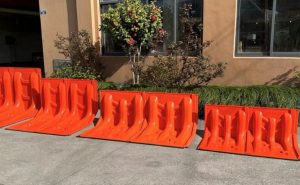
Water-filled barriers use large plastic tubes or containers. People fill them with water to create a strong wall. These barriers are faster to deploy than sandbags and can cover long distances.
Inflatable Barriers
An inflatable flood barrier is made from tough plastic or rubber. It fills with air or water to form a seal against floodwaters. These barriers are lightweight and easy to store when not in use.
Portable Flood Barriers
Portable flood barriers offer flexible protection. People can move and set them up wherever needed. They are ideal for homes, garages, and small businesses.
Modular Panels
Modular panels connect together to form a solid wall. Each panel is light enough for one person to carry. The panels lock in place to stop water from entering buildings.
Quick-Deploy Systems
Quick-deploy systems use foldable frames or roll-out mats. They set up in minutes and provide instant protection. These systems are useful for emergencies and can be reused many times.
| Barrier Type | Best Use | Setup Speed | Reusability |
|---|---|---|---|
| Levees/Floodwalls | Large areas | Slow | High |
| Sandbags | Small areas | Moderate | Low |
| Water-Filled Barriers | Long distances | Fast | High |
| Inflatable Barriers | Entry points | Fast | High |
| Modular Panels | Homes/Businesses | Fast | High |
| Quick-Deploy Systems | Emergencies | Very Fast | High |
Modern Flood Protection Barrier Systems
Modern flood barriers use advanced technology to improve water defense. These systems offer better protection and faster deployment than older methods. They help communities respond quickly to changing flood risks.
Water-Activated Barriers
Water-activated barriers are a new type of flood defense. These barriers look like flat, lightweight bags before use. When water touches them, they expand and become heavy, forming a strong wall against floodwaters.
People can store these barriers easily because they take up little space. During a flood, they activate in minutes and do not require special tools. Water-activated barriers are useful for homes, businesses, and emergency teams.
Self-Locking Dams
Self-locking dams are another example of modern flood barriers. These systems use interlocking panels or sections that connect without extra parts. When water rises, the pressure helps lock the panels together, creating a tight seal.
Self-locking dams can be set up quickly by a small team. They work well for protecting roads, buildings, and critical infrastructure. These dams are considered active flood barriers because they require people to deploy and assemble them before a flood.
A self-locking dam can be taken apart and moved to a new location. This flexibility makes them a popular choice for temporary flood protection.
Passive Barrier Systems
Passive barrier systems do not need human action during a flood. These barriers stay in place and activate automatically when water levels rise. Some passive flood barriers use floating walls that lift as water increases, while others use hinged gates that swing into position.
Passive flood barriers are ideal for areas with little warning before a flood. They protect entrances, underground garages, and subway stations. These systems reduce the need for emergency labor and lower the risk of mistakes during setup.
| Barrier Type | Activation Method | Best Use Cases |
|---|---|---|
| Water-Activated | Water absorption | Homes, businesses |
| Self-Locking Dams | Manual assembly | Roads, infrastructure |
| Passive Barrier System | Automatic | Entrances, subways |
Modern flood protection barrier systems help communities stay safe. They combine smart design with easy use. Choosing the right system depends on the location, risk level, and how quickly a barrier needs to be ready.

Flood Protection Barrier Mechanisms
Flood barriers use different mechanisms to keep water away from people and property. Each method plays a key role in flood protection. Understanding these mechanisms helps people choose the right flood protection barrier for their needs.
Blocking Water
Flood barriers often work by blocking water. This method creates a physical wall that stops water from moving forward.
Solid Structures
Solid structures use strong materials like concrete, steel, or heavy plastic. These barriers stand firm against high water pressure. Levees, floodwalls, and modular panels are examples of solid structures.
Solid barriers can protect large areas or single buildings. They are reliable and can last for many years with proper care. These structures are common in places with frequent flooding.
Flexible Materials
Some barriers use flexible materials to block water. These include rubber, reinforced fabric, or plastic sheeting. Inflatable barriers and water-filled tubes fall into this group.
Flexible barriers are easier to move and set up than solid ones. They can fit around corners and uneven ground. Many people use flexible barriers for temporary or emergency flood protection.
Redirecting Water
Not all barriers stop water completely. Some systems work by redirecting water to safer places.
Channeling Floodwaters
Channeling floodwaters means guiding water away from important areas. Barriers can form channels or paths that lead water to drains, rivers, or open land. Embankments and certain water barriers use this method.
This approach reduces the risk of water pooling near homes or roads. It helps protect both property and people during heavy rain.
Perimeter Defense
Perimeter defense involves placing barriers around the edge of a property or community. These barriers create a shield that keeps water out of the protected zone. Quick-deploy systems and modular panels often serve this purpose.
Perimeter defense works well for homes, businesses, and critical infrastructure. It allows people to focus protection where it matters most.
Absorbing and Containing Water
Some modern barriers absorb or contain water instead of just blocking or redirecting it. This method uses special materials that soak up water and expand.
Water-activated barriers are a good example. These barriers start as flat bags and grow larger when they get wet. They form a tight seal that holds back water.
Passive barrier systems can also contain water by rising automatically as water levels increase. These systems do not need people to set them up during a flood. They provide fast and reliable protection for entrances and underground spaces.
| Mechanism | Example Barriers | Key Benefit |
|---|---|---|
| Blocking Water | Levees, floodwalls | Strong, long-term defense |
| Redirecting Water | Embankments, channels | Moves water to safe areas |
| Absorbing/Containing | Water-activated barriers | Quick, automatic response |
Flood protection barriers use a mix of these mechanisms to keep people and property safe. Choosing the right type depends on the flood risk, location, and how quickly a barrier needs to work.
Installing and Using Flood Barriers
Permanent Barrier Installation
Permanent flood barriers require careful planning and professional installation. Engineers often assess the site to determine the best location and design. They may use concrete, steel, or earth to build strong structures that can withstand high water pressure.
The installation process usually involves digging foundations and securing the barrier in place. Workers must check for underground utilities before starting construction. After installation, the barrier becomes a fixed part of the landscape.
Proper installation helps prevent flooding in areas with frequent water threats. Regular inspections ensure the barrier remains strong and effective. Communities often rely on these barriers for long-term protection.
Setting Up Temporary and Portable Barriers
Temporary flood barriers offer quick protection when a storm is coming. People can set up sandbags, water-filled tubes, or an inflatable flood barrier in a short time. These barriers work well for homes, businesses, and roads that need fast defense.
Portable flood barriers are lightweight and easy to move. Many systems use modular panels or quick-deploy frames. Users can place them around doors, garages, or driveways to block water entry.
To set up a temporary barrier, follow these steps:
- Clear debris from the area where the barrier will go.
- Lay out the barrier according to the instructions.
- Make sure each section connects tightly to prevent leaks.
- Check for gaps and reinforce weak spots if needed.
Maintenance and Monitoring
Regular maintenance keeps flood barriers ready for action. Inspect permanent barriers for cracks, erosion, or loose parts. Clean drains and remove any plants growing near the structure.
Temporary and portable barriers need careful storage. Dry and clean them before putting them away. Check for damage after each use, especially with inflatable flood barrier systems.
Monitoring is important during storms. Watch for rising water and check that barriers stay in place. Quick action can stop small problems from becoming big ones.
| Barrier Type | Maintenance Task | Frequency |
|---|---|---|
| Permanent | Inspect for damage | Twice a year |
| Temporary/Portable | Clean and dry after use | After each use |
| Inflatable | Check for leaks | Before use |
Safety Tips
Flood barriers protect people and property, but safety must always come first. Proper use and handling reduce the risk of injury and make barriers more effective. Follow these safety tips to stay prepared during flood events.
1. Wear Protective Gear
- Always wear gloves when handling barriers. Gloves protect hands from sharp edges and rough materials.
- Use waterproof boots to keep feet dry and safe from contaminated water.
- Safety goggles help shield eyes from debris and splashes.
2. Lift and Move Barriers Safely
- Use correct lifting techniques to avoid back injuries. Bend your knees and keep your back straight.
- Ask for help when moving heavy barriers. Many barriers, such as sandbags or modular panels, require two or more people.
- Do not rush. Take your time to set up each barrier properly.
3. Check for Hazards
- Inspect the area for electrical wires or equipment before placing barriers.
- Avoid standing water that may hide sharp objects or holes.
- Watch for slippery surfaces, especially when working with water-filled or inflatable barriers.
4. Secure Barriers Properly
- Make sure each barrier is stable and locked in place. Unstable barriers can fall or shift, causing injury.
- For portable flood barriers, follow the manufacturer’s instructions closely.
- Double-check connections and seals to prevent leaks.
5. Monitor Water Levels
- Keep an eye on rising water during storms. If water starts to overtop barriers, move to higher ground.
- Do not try to adjust barriers in fast-moving water. Wait until it is safe.
6. Practice Safe Storage and Cleanup
- Clean and dry all barriers after use. This prevents mold and damage.
- Store barriers in a dry, safe place away from children and pets.
- Dispose of damaged sandbags or materials according to local guidelines.
7. Know Emergency Procedures
- Have an evacuation plan ready. Share it with everyone in your home or business.
- Keep emergency supplies, such as flashlights and first aid kits, nearby.
- Listen to local authorities for updates and instructions.
| Safety Tip | Why It Matters |
|---|---|
| Wear protective gear | Prevents cuts, infections, and injury |
| Lift safely | Reduces risk of back strain |
| Check for hazards | Avoids accidents and electric shock |
| Secure barriers | Ensures effective flood defense |
| Monitor water levels | Keeps you aware of changing risks |
| Safe storage and cleanup | Extends barrier life, prevents mold |
| Know emergency plans | Helps everyone stay safe |
Following these tips helps everyone stay safe while using flood barriers. Good preparation and careful action make flood defense stronger and more reliable.
Flood Barriers: Effectiveness Comparison
Strength and Durability
Strength and durability are important factors when choosing flood barriers. Permanent barriers, such as levees and floodwalls, use concrete, steel, or earth. These materials can withstand strong water pressure and last for many years. Regular maintenance helps these barriers stay effective over time.
Temporary barriers, like sandbags and water-filled tubes, offer less durability. Sandbags can break down after repeated use or long exposure to water. Water-filled barriers may puncture if not handled carefully. Inflatable barriers use tough plastic or rubber, but sharp objects can damage them.
Modern systems, such as modular panels and passive barriers, combine strength with flexibility. These barriers use advanced materials that resist wear and tear. They can protect homes and businesses during multiple flood events.
Deployment Speed
Deployment speed measures how quickly a barrier can be set up before a flood. Fast deployment is important for areas with little warning time.
Permanent barriers do not require setup during a flood. They stay in place and protect at all times. Temporary barriers, such as sandbags, take longer to arrange. Filling and stacking sandbags can be slow and labor-intensive.
Water-filled and inflatable barriers deploy much faster. People can roll out these barriers and fill them in minutes. Modular panels and quick-deploy systems also offer rapid setup. These systems use lightweight parts that snap together or unfold easily.
| Barrier Type | Deployment Speed |
|---|---|
| Permanent | Immediate |
| Sandbags | Slow |
| Water-Filled Barriers | Fast |
| Inflatable Barriers | Very Fast |
| Modular Panels | Fast |
| Quick-Deploy Systems | Very Fast |
Cost and Accessibility
Cost and accessibility affect which flood barriers people can use. Permanent barriers cost the most to build and install. They require professional labor and materials. These barriers are best for large communities or high-risk areas.
Temporary barriers, such as sandbags, have a low upfront cost. Many people can buy or make sandbags easily. However, sandbags are not reusable and need to be replaced after each flood.
Water-filled and inflatable barriers cost more than sandbags but can be reused. Modular panels and quick-deploy systems have a higher price, but they last longer and offer better protection. Accessibility depends on local suppliers and the ability to store barriers when not in use.
Suitability for Different Scenarios
Flood barriers work best when matched to the right situation. Each type has strengths that make it more effective in certain environments. Choosing the correct barrier helps protect people and property.
Urban Areas
Cities often face flash floods and have limited space. Permanent barriers like floodwalls and passive systems fit well in these settings. Quick-deploy and modular panels also help protect entrances and underground spaces.
Rural and Agricultural Land
Large open areas need barriers that cover long distances. Levees and embankments work well along rivers and fields. Water-filled barriers can provide temporary protection for crops and livestock.
Residential Homes
Homeowners need barriers that are easy to set up and remove. Portable options like modular panels, water-activated barriers, and inflatable tubes are popular. These barriers protect doors, garages, and driveways during storms.
Critical Infrastructure
Hospitals, power stations, and transportation hubs require strong and reliable defense. Permanent floodwalls and self-locking dams offer high protection. Passive barriers can guard entrances and keep vital services running.
Emergency Response
Fast-moving floods need barriers that deploy quickly. Quick-deploy systems and inflatable barriers are ideal for rapid response. Emergency teams can use these to protect roads, shelters, and evacuation routes.
The table below shows which barriers suit different scenarios:
| Scenario | Best Barrier Types | Key Features |
|---|---|---|
| Urban Areas | Floodwalls, passive, modular | Space-saving, automatic |
| Rural/Agricultural | Levees, embankments, water-filled | Long coverage, flexible |
| Residential Homes | Modular, water-activated, inflatables | Easy setup, portable |
| Critical Infrastructure | Floodwalls, self-locking, passive | Strong, reliable |
| Emergency Response | Quick-deploy, inflatable | Fast, reusable |
Selecting the right flood barrier depends on location, flood type, and how quickly protection is needed. Some areas may need a mix of barriers for full coverage. Good planning ensures the best defense against rising water.
Choosing Flood Protection Solutions
Site Assessment
A site assessment is the first step in selecting flood prevention solutions. Start by identifying areas most at risk for water entry. Look for low spots, basement windows, and doorways that sit below street level.
Check the history of flooding in your area. Local maps and weather records can show which places flood most often. Walk around your property after heavy rain to spot puddles or water flow patterns.
Measure the height and width of entry points. This helps you choose the right size and type of flood barriers. Take note of any landscaping or obstacles that could affect installation.
Budget Considerations
Budget plays a big role in choosing flood protection. Some barriers cost more upfront but last longer. Others are cheaper but may need to be replaced after each use.
Make a list of all possible costs. Include the price of the flood protection barrier, installation, and any tools needed. Remember to add maintenance and storage expenses.
Compare the long-term value of each option. Permanent barriers often cost more at first but save money over time. Temporary barriers may seem cheaper but can add up if used often.
| Barrier Type | Initial Cost | Maintenance | Lifespan |
|---|---|---|---|
| Permanent | High | Low | 10+ years |
| Temporary | Low | Moderate | 1-2 uses |
| Portable | Moderate | Low | 5+ years |
Installation Ease
Installation ease matters, especially when time is short. Some flood barriers need professional help and heavy equipment. Others can be set up quickly by one or two people.
Check the instructions before buying. Look for barriers that match your skill level and available help. Quick-deploy and modular systems are good choices for fast setup.
Portable barriers are often lightweight and easy to move. Water-activated and inflatable options require little effort to install. These solutions make it easier to protect your property during sudden storms.
Choosing the right flood protection depends on careful planning. Assess your site, set a budget, and pick barriers that are easy to install. These steps help you select the best flood prevention solutions for your needs.
Regulatory and Insurance Factors
Regulations play a major role in flood protection. Local governments set rules for building barriers and making changes to properties. These rules help keep communities safe and prevent mistakes during installation.
Many cities require permits before adding flood barriers. Permits ensure that barriers meet safety standards and do not block emergency access. Homeowners must check with city offices before starting any project.
Some areas have zoning laws that limit where barriers can be placed. These laws protect natural water flow and prevent damage to nearby properties. Always review zoning maps and ask questions if rules seem unclear.
Insurance is another important factor in flood prevention solutions. Standard home insurance does not cover flood damage in most cases. Homeowners need special flood insurance to protect their property.
Flood insurance policies cover repairs and replacement costs after a flood. Policies may also pay for temporary housing if a home becomes unsafe. Insurance companies often require proof that barriers meet local regulations.
Some insurance plans offer discounts for using approved barriers. These discounts reward homeowners who take steps to reduce flood risks. Ask about savings when shopping for flood insurance.
Regulations change from state to state. Some states have strict rules for barrier height and materials. Others allow more flexibility but still require basic safety checks.
A table below shows common regulatory and insurance requirements:
| Requirement | Who Sets It | Why It Matters |
|---|---|---|
| Permits | Local government | Ensures safe installation |
| Zoning laws | City or county | Protects water flow |
| Insurance coverage | Insurance company | Pays for flood damage |
| Barrier standards | State or city | Keeps barriers reliable |
Flood protection works best when homeowners follow all rules and keep insurance up to date. Regulations help prevent problems and make sure barriers do their job. Insurance gives peace of mind and financial support after a flood.
Regulatory and insurance factors shape how people choose and use flood barriers. Understanding these factors helps everyone stay safe and prepared for rising water.
Conclusion
Flood barriers are a vital component of effective flood defense, offering protection for homes, communities, and critical infrastructure. By combining durability, rapid deployment, and smart design, they prevent property damage, reduce safety risks, and enhance emergency preparedness. Selecting the right barrier for each scenario—whether permanent, temporary, or portable—ensures reliable water defense. Understanding and implementing these solutions is essential for safeguarding lives and property against the growing threat of flooding.