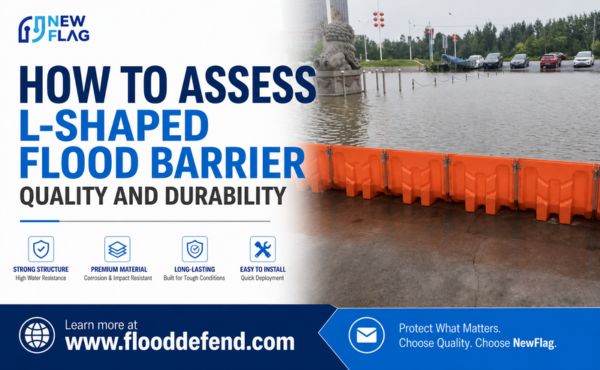
L-shaped flood barriers deliver superior flood protection because their unique shape provides unmatched stability. These barriers outperform sandbags and other traditional methods in both effectiveness and ease of use. Communities now face more frequent and severe flood events, so a dependable solution like this meets the demands of today.
L-Shaped Flood Barriers: How They Work
L Shape Design and Stability
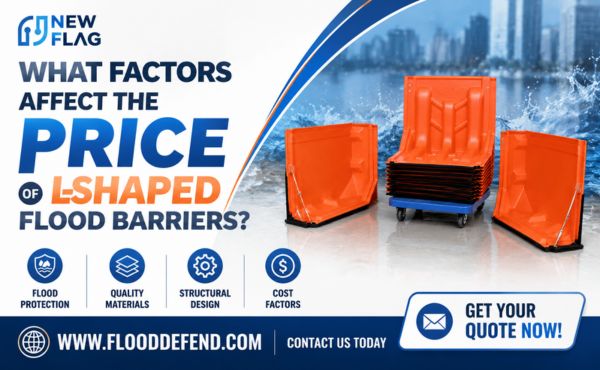
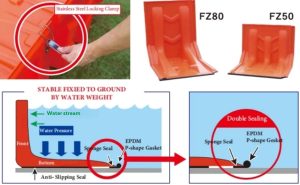
The l shape flood barrier stands out because of its unique form. The base of the barrier sits flat on the ground, while the vertical section rises to block water. This design gives the barrier extra strength and helps it stay in place during a flood.
Harnessing Water Force
When floodwaters push against the l shape flood barrier, the water’s own force presses the base down. This action increases the stability of the barrier. The more water pushes, the more the barrier anchors itself, making it less likely to tip or shift.
Anchoring Against Currents
Flood currents can be strong and unpredictable. The wide base of the l shape flood barrier helps anchor it against moving water. This feature keeps the barriers steady, even when currents try to move them.
Preventing Water Flow and Overtopping
The l shape flood barrier blocks water from passing through or over the top. Its height and angle are designed to stop floodwaters from breaching the barrier.
Structural Angle Benefits
The angle of the l shape flood barrier is not just for looks. It directs water pressure downward and away from weak points. This reduces the risk of the barrier failing during high water events.
Enhanced Flood Protection
L-shaped flood barriers provide a higher level of flood protection than many traditional options. Their design helps prevent flood damage by keeping water out of protected areas. These barriers also support flood mitigation efforts by offering reliable and reusable flood control solutions.
- L-shaped flood barriers are easy to set up and connect.
- Their structure allows for quick deployment, which is important for emergency flood control.
- The ease of deployment makes them a top choice for communities and businesses.
L-shaped flood barriers have become a preferred option for flood protection barriers. Their engineering offers both strength and reliability. These barriers help reduce the impact of floods and protect valuable property.
Key Advantages for Flood Protection
Quick Setup and Connection
L-shaped flood barriers can be quickly and easily set up when a flood threatens. Their design allows users to connect each barrier section without special tools. This feature supports the ease of deployment during emergencies.
The barriers fit together tightly. This connection helps create a strong line of defense. People can move and adjust the barriers as needed for different locations.
Reusability and Low Maintenance
Many flood protection barriers require replacement after one use. L-shaped flood barriers offer a better solution. They can be used again and again for future flood events.
The barriers need little maintenance. Most users only need to check for damage and clean them after use. This reduces the time and cost of flood protection.
L-shaped flood barriers also support long-term flood control solutions. Their durability means they stay effective for many years.
Durability Under Flood Conditions
Floods can bring strong currents and heavy debris. L-shaped flood barriers are built to handle these tough conditions. The sturdy materials and smart design give each barrier strength and stability.
The effectiveness of these barriers comes from their ability to resist tipping and shifting. Even when water levels rise quickly, the barriers stay in place. This provides reliable protection for homes, businesses, and public spaces.
A table below shows how l-shaped flood barriers compare to other options:
| Feature | L-Shaped Flood Barriers | Sandbags | Temporary Walls |
|---|---|---|---|
| Reusable | Yes | No | Sometimes |
| Quick Setup | Yes | No | Yes |
| Low Maintenance | Yes | No | Sometimes |
| High Effectiveness | Yes | No | Sometimes |
L-shaped flood barriers stand out as a top choice for flood protection. Their durability, reusability, and ease of deployment make them a smart investment for any community.
L-Shaped Flood Barriers vs. Traditional Methods
Comparison with Sandbags
Effectiveness and Stability
Sandbags have been used for flood protection for many years. These bags often shift or break apart when water pressure increases. L-shaped flood barriers provide a stronger defense because their design resists tipping and holds steady during a flood.
The base of each barrier sits flat on the ground. This shape helps the barrier stay in place even when water pushes against it. The vertical section blocks water and reduces the risk of flood damage.
A table below shows a quick comparison:
| Feature | L-Shaped Flood Barriers | Sandbags |
|---|---|---|
| Stability | High | Low to Medium |
| Reusability | Yes | No |
| Setup Time | Fast | Slow |
| Maintenance | Low | High |
Labor and Resource Needs
Sandbags require many people to fill, carry, and stack. This process takes time and uses a lot of resources. Each sandbag must be placed by hand, which can slow down emergency response.
L-shaped flood barriers need fewer workers for setup. The barriers connect quickly and do not need special tools. This saves both time and effort during a flood emergency.
Communities can store and reuse these barriers for future events. This reduces the need to buy new materials each year.
Other Temporary Flood Barriers
Some areas use other temporary flood barriers, such as water-filled tubes or portable walls. These options can help in certain situations, but they often lack the stability of l-shaped flood barriers. Many temporary flood barriers shift or leak when water levels rise quickly.
L-shaped flood barriers stand out because they combine strength, quick setup, and reusability. Their design helps protect against flood damage and supports long-term flood control. These barriers give communities a dependable way to guard against rising water.
Environmental and Cost Impact
Eco-Friendly Materials
L-shaped flood barriers often use materials that are safe for the environment. Many barriers are made from recycled plastics or metals. These materials do not release harmful chemicals into the soil or water during a flood.
Manufacturers design these barriers to last for many years. This reduces the need for frequent replacements. Using durable materials helps protect natural resources.
Waste Reduction
Traditional flood protection methods, such as sandbags, create large amounts of waste. Sandbags often break apart after a flood and must be thrown away. This leads to piles of debris that can harm the environment.
L-shaped flood barriers offer a reusable solution. After a flood, users can clean and store the barriers for future use. This reduces waste and keeps communities cleaner.
A comparison table shows the difference in waste:
| Method | Reusable | Waste Produced | Cleanup Needed |
|---|---|---|---|
| L-Shaped Flood Barriers | Yes | Low | Minimal |
| Sandbags | No | High | Extensive |
Reusable barriers help cities and towns manage waste more effectively. They also reduce the burden on landfills.
Cost Savings Over Time
Flood protection can be expensive for homeowners, businesses, and municipalities. Sandbags and other temporary barriers require frequent purchases and high labor costs. L-shaped flood barriers cost more at first, but they save money over time.
Users can deploy these barriers quickly, which lowers labor expenses. The barriers last for many years, so communities do not need to buy new ones each season. Maintenance costs are also low because the barriers need only simple cleaning and inspection.
L-shaped flood barriers provide both environmental and financial benefits. They help protect property while reducing waste and costs.
Real-World Applications
Municipal Flood Protection
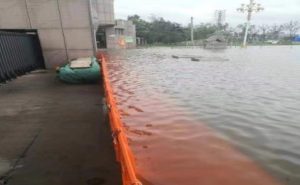
Cities and towns face increasing risks from flood events. L-shaped barriers help protect public infrastructure, such as roads, bridges, and utilities. Many municipalities use these barriers to create temporary walls along rivers or low-lying areas.
Emergency teams can deploy the barriers quickly. This rapid response helps reduce damage to public property. The barriers also support long-term planning for flood defense.
Some cities use these barriers to protect critical services. Hospitals, fire stations, and water treatment plants benefit from added protection. The barriers can be moved and adjusted as needed for changing conditions.
Residential and Business Use
Homeowners and business owners also need reliable flood solutions. L-shaped barriers offer strong protection for buildings and valuable assets. People can set up the barriers around doors, garages, or loading docks.
A table below shows common uses for domestic flood protection barriers:
| Application | Benefit |
|---|---|
| Home entryways | Blocks water from entering |
| Storefronts | Protects inventory |
| Parking areas | Prevents vehicle damage |
Residents appreciate that these barriers are easy to handle. They do not require heavy equipment or large teams. After a flood, users can clean and store the barriers for future use.
Businesses can protect stockrooms, offices, and equipment. The barriers help keep operations running during and after flood events. This protection supports both safety and financial stability.
Conclusion
L-shaped flood barriers offer strong flood protection for homes and businesses. Their design gives stability and makes them easy to use, even as a basement door water barrier. These barriers help protect your basement and property from flood damage while saving money and reducing waste.