When it comes to flood protection, choosing the right solution is crucial. In the debate of Temporary Flood Barrier vs. Sandbags, each option offers distinct advantages and challenges. Understanding which method provides better efficiency, ease of use, and long-term value can help you make an informed decision when safeguarding your property. This article explores both options, comparing their effectiveness and suitability for various flood scenarios.
Sandbags vs Flood Barriers: Effectiveness
Water Resistance
Flooding can cause serious damage to homes and businesses. Sandbags have been used for many years as a flood defense. They can slow down water, but they often let water seep through small gaps. This means sandbags do not always provide the best flood protection during heavy flooding.
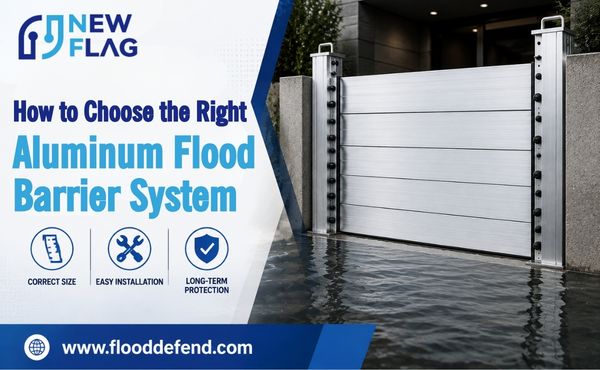
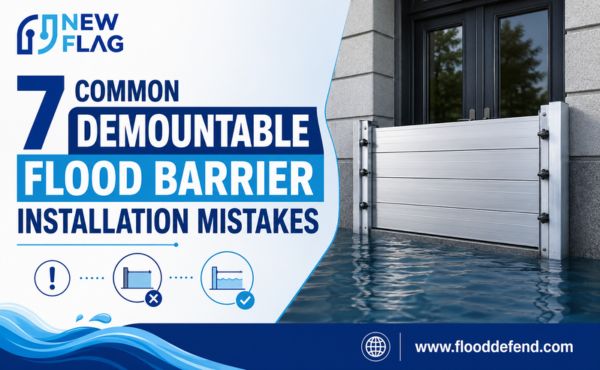
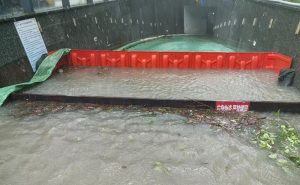
Flood barriers use strong materials that block water more effectively. These barriers form a tight seal against the ground and walls. They can handle high water pressure and keep most water out. Flood barriers are a highly effective flood prevention solution for both homes and commercial properties.
The table below shows how sandbags and flood barriers compare in water resistance:
| Feature | Sandbags | Flood Barriers |
|---|---|---|
| Water Seepage | Common | Rare |
| Pressure Resistance | Low to Medium | High |
| Seal Quality | Loose | Tight |
| Best Flood Protection | Sometimes | Consistently |
Flood mitigation barriers offer proven efficacy in blocking water. Flood barriers can be set up quickly before flooding starts. This makes them one of the best flood protection options for emergency situations.
Reliability
Reliability is important for any flood defense. Sandbags can break down after long exposure to water. They may shift or collapse if flooding lasts for many hours. This can lead to leaks and weak spots in the flood control line.
Flood barriers stay strong during long periods of flooding. They do not rot or lose shape like sandbags. Many flood barriers can be reused for future flood events, which adds to their reliability.
Flood barriers also require less maintenance during a flood. Sandbags need to be checked and replaced often. Flood barriers give peace of mind because they provide consistent flood defense.
Sandbags vs flood barriers is a common debate in flood prevention solution discussions. Flood barriers have shown greater effectiveness and efficacy in most real-world tests. They are the best flood protection choice for people who want reliable and fast flood defense.
Flood Protection: Cost Comparison
Initial Costs
Flood protection often starts with a cost comparison. Sandbags for flood protection are known as a low-cost option. They require only sand, bags, and some labor. Many people choose sandbags because they are affordable and easy to find. Flood barriers cost more at the beginning. They use strong materials and advanced designs. The price reflects their durability and performance. Some barriers can be reused, which adds value over time.
| Solution | Upfront Cost | Materials Needed | Availability |
|---|---|---|---|
| Sandbags | Low | Sand, Bags | High |
| Flood Barriers | High | Barrier Units | Medium |
Long-Term Expenses
Flood risk can change over time. Sandbags need to be replaced after each flood event. They break down and lose strength. Disposal can be costly and time-consuming. Flood barriers last longer and can be reused. Maintenance is simple and costs less in the long run. People who face frequent floods save money by investing in barriers. Sandbags may seem cheaper, but ongoing expenses add up. Flood barriers offer better value for areas with high flood risk.
- Sandbags: Low initial cost, high replacement and disposal costs.
- Flood barriers: High initial cost, low maintenance and reuse costs.
Flood protection requires careful planning. A cost comparison helps people choose the best option for their needs. Sandbags work for short-term emergencies. Flood barriers suit long-term protection and repeated flood events.
Setup Speed and Ease of Use
Deployment Time
Temporary flood barriers can be set up quickly. Many designs allow for pre-preparation, so they are ready before a flood warning. Most barriers can be deployed in minutes, which is important when time is limited.
Sandbags take much longer to prepare and use. Each bag must be filled with sand, tied, and stacked by hand. This process can take several hours, especially if a large area needs protection.
A quick comparison:
| Method | Preparation Time | Setup Speed |
|---|---|---|
| Flood Barriers | Minimal | Fast (minutes) |
| Sandbags | High | Slow (hours) |
Manpower Needs
Flood barriers need fewer people for setup. One or two people can often install a barrier system. The lightweight design and simple assembly help save time and effort.
Sandbags require a team to fill, carry, and stack them. This work is physically demanding and can be exhausting. Emergency crews or volunteers often spend hours moving sandbags into place.
Flood barriers reduce the need for large groups and heavy lifting. This makes them a better choice for people with limited help or physical strength. Sandbags may be useful in small numbers, but they are not practical for large-scale protection.
Durability and Environmental Impact
Reusability
Durability plays a key role in choosing a flood protection method. Sandbags often break down after one use. They absorb water and lose their shape, making them less reliable for future floods.
Many people now look for a sandbag alternative that can be reused. Water-activated barriers are designed for multiple uses. These barriers dry out after a flood and can be stored until needed again.
A water-activated sandbag alternative offers a practical solution for repeated flood events. This type of barrier keeps its strength and shape even after several uses. Reusable options help reduce waste and save money over time.
Disposal and Sustainability
Disposal of traditional sandbags can be a challenge. Used sandbags may contain contaminants from floodwater. They often end up in landfills, which can harm the environment.
A sandbag alternative is usually easier to dispose of and creates less waste. Water-activated products often use materials that are safer for the environment. Some barriers can be recycled or safely stored for future use.
Sustainability matters when choosing flood protection. Water-activated barriers reduce the need for single-use products. They help lower the environmental impact of flood defense efforts.
| Feature | Sandbags | Sandbag Alternative |
|---|---|---|
| Reusability | Single-use | Multiple-use |
| Disposal Difficulty | High | Low |
| Environmental Impact | High | Low |
Water-activated barriers and other sandbag alternatives offer a smart, sustainable choice for flood protection.
Practical Scenarios for Flood Protection
Residential Use
Flood protection for homeowners is essential during heavy rains or storms. Many people use sandbags to block water from entering their homes. Sandbags can protect doorways, garages, and basement windows.
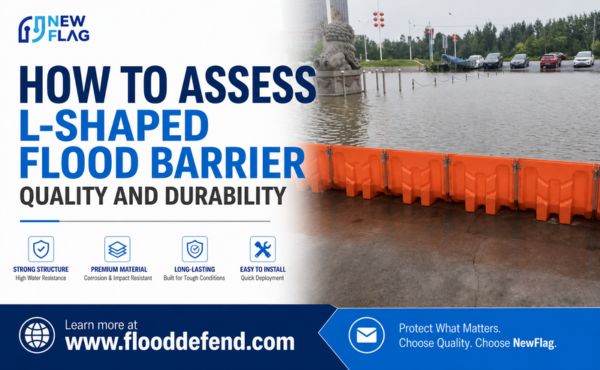
Temporary flood barriers offer a stronger solution for residential areas. These barriers can be placed around the perimeter of a house. They are easy to set up and remove after the threat passes.
Some homeowners choose water-activated barriers as an alternative. These products can be reused and stored for future emergencies. They help reduce waste and provide reliable defense.
Commercial and Emergency Use
Businesses and public buildings need fast and reliable flood protection. Flood barriers are often used to protect entrances, loading docks, and storage areas. They can cover large spaces and withstand high water pressure.
Emergency crews use flood barriers during flash floods or severe weather events. These barriers can be deployed quickly to protect critical infrastructure. Sandbags may be used for smaller tasks or as backup.
The table below shows common uses for each method:
| Scenario | Sandbags | Flood Barriers |
|---|---|---|
| Home Entryways | Yes | Yes |
| Large Commercial Areas | No | Yes |
| Emergency Response | Sometimes | Yes |
Flood barriers provide strong protection for commercial properties and emergency situations. They help reduce damage and keep operations running during floods.
When to Choose Sandbags or Flood Barriers
Best Situations for Sandbags
Sandbags work well for small-scale or short-term flood protection. They are easy to find and can be filled on-site during an emergency. Many people use them to block water from doorways or low walls.
Sandbags are a good choice when budgets are tight. They also help in rural areas where advanced barriers are not available. For quick fixes or temporary solutions, sandbags remain a practical option.
Best Situations for Flood Barriers
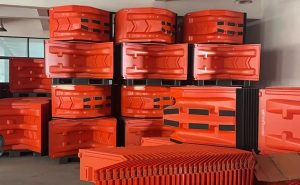
Flood barriers provide strong protection for larger areas and repeated flood events. They are ideal for homes or businesses in high-risk flood zones. These barriers can be set up quickly and reused many times.
Flood barriers work well for protecting commercial properties, warehouses, and public buildings. They are also useful for critical infrastructure that needs reliable defense. Many emergency preparedness plans include flood barriers for fast response.
| Situation | Sandbags | Flood Barriers |
|---|---|---|
| Small, local flooding | ✔️ | ✔️ |
| Large-scale flood defense | ✔️ | |
| Repeated flood events | ✔️ | |
| Limited manpower | ✔️ |
Combining Both Methods
Some situations call for both sandbags and flood barriers. Flood barriers can protect main entry points or large areas. Sandbags can fill small gaps or reinforce weak spots.
Using both methods increases overall protection. This approach helps when water levels change quickly or when extra support is needed. Combining sandbags and barriers gives flexibility during unpredictable weather.
Conclusion
Temporary flood barriers offer stronger and faster protection than sandbags. Sandbags remain useful for small emergencies and tight budgets. To prevent water damage, choose flood barriers for high-risk areas and repeated floods. Sandbags can help when resources are limited. Assess your property’s needs and combine both methods if needed. This approach helps protect your home during unpredictable weather.
Whether you’re preparing for potential flooding or seeking a more permanent solution, understanding the difference between Temporary Flood Barriers and Sandbags is the first step in protecting your property. For more information on choosing the best flood prevention method, contact us today and get expert advice tailored to your needs. Don’t wait until it’s too late—secure your home now!