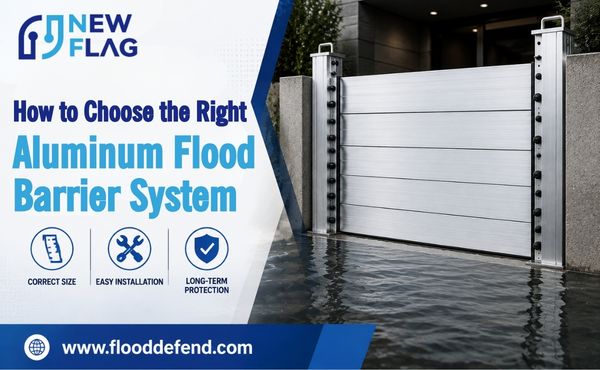
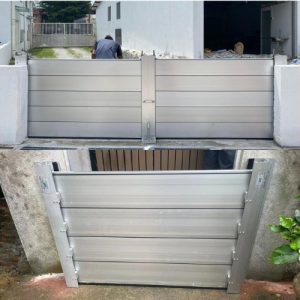
A flood gate acts as an adjustable flood barrier that manages water flow and reduces flood damage. These gates help shield homes, roads, and public spaces from rising water levels.
Flood protection relies on strong barriers and quick responses during emergencies. Understanding how gates work and why they matter supports safer communities.
Tip: Local authorities often recommend installing flood gates in high-risk areas for extra safety.
How Flood Gates Control Floods

Mechanism of Flood Gates
Flood gates use adjustable panels to block or redirect water during flood events. These gates can rise or slide into place when sensors detect heavy rainfall or rising water levels. Some systems use automatic flood gates that activate without human intervention.
Others require manual operation during an emergency. The main goal is to stop water ingress and protect buildings, roads, and infrastructure.
Flood panels often fit into tracks or frames at entry points. When closed, these panels form strong barriers that prevent floodwater from entering. Rolling flood gates can cover wide openings, such as those found in industrial areas or along levees. Flood control gates at storm sewers help regulate water flow and reduce pressure on drainage systems. By adjusting the position of the gates, operators can manage the amount of water that passes through, lowering the risk of damage.
Deployment in Urban and Coastal Areas
Cities and coastal communities face unique challenges from heavy rainfall and storm surges. Engineers place flood panels at strategic locations, such as subway entrances, building doorways, and critical infrastructure.
In many urban areas, flood barriers line riverbanks and canals to keep water from spilling into streets.
Coastal regions often use large flood gates at harbor entrances or along sea walls.
These gates close when forecasts predict severe weather or high tides. Flood panels also protect underground spaces, like parking garages and utility rooms, from water ingress. Emergency teams monitor weather conditions and deploy flood barriers quickly when needed.
Note: Proper placement of flood panels and gates can make a significant difference in reducing flood damage during storms.
Key Features for Flood Protection
Flood gates offer several important features for effective flood defense:
- Adjustability: Many gates can move up or down, or slide sideways, to match the level of threat.
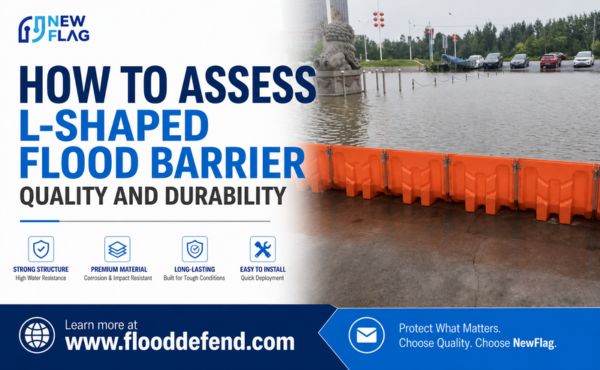
- Strength: Flood panels use materials that withstand strong water pressure and debris.
- Quick Deployment: Some systems allow for rapid installation, which is crucial during heavy rainfall or an emergency.
- Integration: Flood barriers often work with levee systems, storm sewers, and other infrastructure for complete protection.
Flood panels come in different sizes and shapes to fit various openings. Some designs focus on residential use, while others protect large public spaces. Regular maintenance ensures that flood gates and panels function properly when needed. By combining these features, communities can reduce the impact of floods and keep people safe.
Types of Flood Gate Barriers
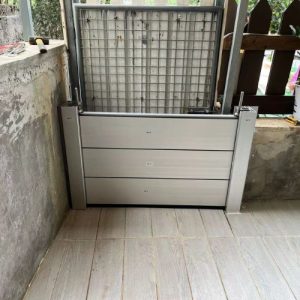
Permanent Flood Gates
Permanent flood gate barriers stay in place year-round. Engineers design these gates to withstand heavy rainfall and rising water levels. Sliding gates often protect large openings, such as entrances to underground parking garages or subway stations. Rolling flood gates cover wide spaces and move into position when flood panels detect a threat.
These barriers form a strong defense against water ingress. Communities rely on permanent gates to protect critical infrastructure and public spaces. Maintenance teams inspect flood panels regularly to ensure proper function.
Temporary and Removable Flood Gates
Temporary and removable flood gate barriers provide flexibility. People install these gates before storms or during emergencies. Flood panels fit into frames at doorways, windows, or driveways. After the flood risk passes, teams remove the barriers and store them for future use.
These gates help protect homes and businesses from heavy rainfall. Emergency crews deploy temporary flood panels quickly to block water ingress. Removable barriers suit locations with occasional flood threats.
| Type | Application | Benefit |
|---|---|---|
| Temporary Gates | Homes, businesses | Quick deployment |
| Removable Barriers | Doorways, windows | Easy storage |
Residential Flood Barriers
Residential flood barriers shield homes from flood damage. Homeowners install flood panels at entry points, such as doors and garages. These barriers block water ingress during heavy rainfall. Some designs use lightweight panels for easy handling.
Others feature strong materials to resist debris and high water pressure. Residential gates protect families and property from rising water levels. Regular checks keep flood panels ready for emergencies.
Flood Gate Effectiveness and Limitations
Benefits of Flood Gates
Flood gates play a key role in reducing flood damage. These structures help communities manage flood risks by blocking water from entering buildings and infrastructure. Flood panels can stop water during heavy rainfall and protect homes, businesses, and public spaces.
Many cities use flood barriers to keep roads and subway stations safe. Flood panels also help control water in storm sewers and along levees. When flood panels close, they prevent rising water levels from causing damage. People rely on these gates to keep their property safe during emergencies.
Limitations and Considerations
Flood panels have some limits. Not every flood gate can handle extreme weather or very high water. Some gates need manual operation, which can slow down response during an emergency. Flood panels may not fit every opening or structure.
Heavy rainfall can overwhelm barriers if water rises too quickly. People must check that flood panels are the right size and strength for their location. Flood barriers work best when combined with other flood control methods.
| Limitation | Impact |
|---|---|
| Manual operation needed | Slower emergency response |
| Size or fit issues | Gaps in protection |
| Extreme floods | Possible overflow |
Compliance and Maintenance
Proper care keeps flood panels ready for action. Maintenance teams inspect flood panels and gates often to find damage or wear. People must follow local rules for installing and using flood panels.
Regular checks make sure flood barriers work during heavy rainfall. Emergency plans should include steps for closing and opening flood panels. Training helps people use flood panels quickly and safely. Communities that maintain their flood panels see better results during flood events.
Choosing the Right Flood Gate
Factors to Consider
Selecting the best flood gate depends on several important factors. Property owners should assess the risk of flood and the likelihood of heavy rainfall or flash flooding in their area. The type of building, the size of entry points, and the frequency of storm emergencies all influence the choice.
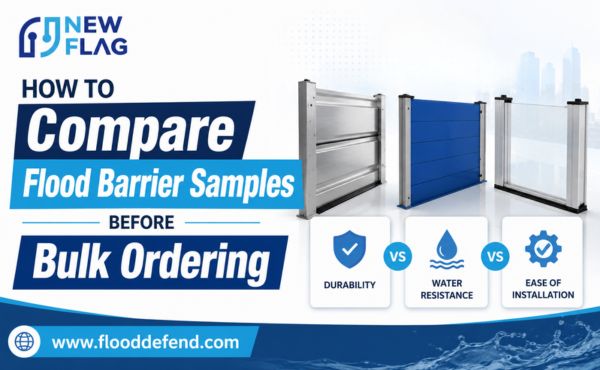
Flood panels must fit securely at doors, windows, and other openings. Materials matter because strong flood panels resist rising water levels and debris. Automatic flood gates offer quick protection for locations with frequent flood threats. People should also consider how often they need to deploy gates and how much time they have to install flood panels before a flood.
Tip: Regular inspection of flood panels helps ensure reliable performance during emergencies.
Matching Flood Gates to Needs
Different properties require different flood barriers. Homes often use lightweight flood panels for easy handling. Businesses and public buildings may need larger gates or permanent flood barriers for wide entrances. Underground spaces, such as parking garages, benefit from sliding flood panels that block water quickly.
Coastal areas and cities with frequent heavy rainfall should consider automatic flood gates for rapid response. People must match the size and strength of flood panels to the specific threat level. A table can help compare options:
| Property Type | Recommended Flood Panels | Deployment Frequency |
|---|---|---|
| Residential | Lightweight, removable panels | Occasional |
| Commercial | Permanent, sliding panels | Frequent |
| Underground | Large, rolling panels | Rapid |
Installation Tips
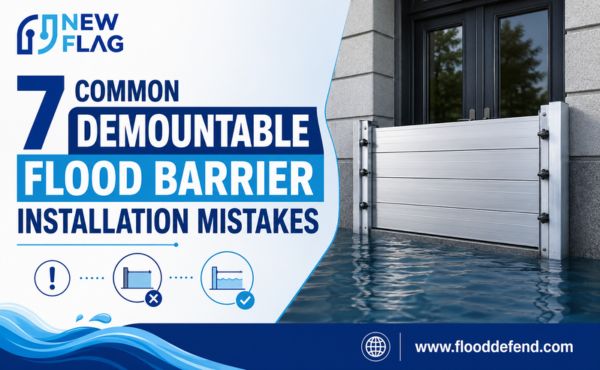
Proper flood barrier installation ensures maximum protection. Install flood panels according to manufacturer guidelines and local safety codes. Secure panels tightly to prevent leaks. Test gates and flood panels before storm emergencies to confirm they work as intended.
Maintenance teams should check for damage after each use. Clean flood panels regularly to remove dirt and debris. Store removable panels in a dry, accessible place. People who follow these steps improve the effectiveness of flood barriers and reduce the risk of flood damage.
Note: Well-installed flood panels provide strong defense against heavy rainfall and rising water levels.
Conclusion
Flood gates serve as essential barriers that help communities manage flood damage during heavy rainfall. These gates block water from entering homes and public spaces.
People can choose from different types of gates to match their needs. Regular checks and proper installation improve effectiveness.
Assess flood risk in your area and consider flood gates as a proactive solution. Consult local authorities or professionals for advice on protecting property from heavy rainfall and flood events.