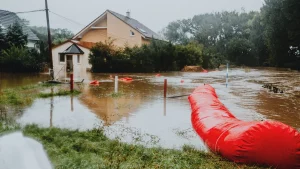
Automatic Flood Barriers now lead in flood defense. Experts agree these systems offer faster response and greater efficiency than traditional methods.
They activate quickly, often without human effort. This adaptability helps protect communities in unpredictable weather. People choose Automatic Flood Barriers for reliable, modern protection.
Flood Barriers Overview
Automatic Flood Barriers Explained
Automatic flood barriers use technology to protect areas from rising water. These systems often work without human help. Sensors or water pressure can trigger them. Some models rise from the ground when they detect water.
Others use a push-button system for quick activation. People install these flood barriers in places where fast response is important. Automatic flood barriers can protect homes, businesses, and public spaces. They help reduce damage during a flood by acting quickly.
Traditional Flood Barriers Defined
Traditional flood barriers rely on manual labor and simple materials. People often use sandbags, concrete blocks, or metal panels. Workers must place these barriers before the water arrives. Traditional flood barriers have protected communities for many years.
They can cover large areas and adapt to different situations. However, these flood barriers need time and effort to set up. Weather conditions and lack of warning can make deployment difficult.
Key Operational Differences
Automatic flood barriers and traditional flood barriers work in different ways. Automatic systems respond to water or commands almost instantly. They do not need many workers. Traditional flood barriers require teams to build and move them.
This process can take hours or even days. Automatic flood barriers often need regular checks to keep them ready. Traditional flood barriers may need repairs after each use.
| Feature | Automatic Flood Barriers | Traditional Flood Barriers |
|---|---|---|
| Activation | Self-activating/Manual | Manual only |
| Setup Time | Minutes | Hours or days |
| Labor Required | Low | High |
| Maintenance | Regular checks | Repairs after use |
Both types of flood barriers play a role in protecting against flood events. The choice depends on the location, budget, and speed needed for protection.
Automatic Flood Barriers vs. Traditional Flood Barriers
Effectiveness Comparison
The science behind automatic flood gates ensure high-level protection during flood. These systems use self-raising technology or push-button controls to create a strong waterproof flood gate.
The barrier rises quickly when water levels increase. This fast action helps prevent water from entering protected areas. Traditional barriers, such as sandbags or metal panels, depend on manual setup. Workers must place each waterproof flood gate by hand. This process can leave gaps or weak spots.
Automatic flood barriers maintain their integrity even under heavy pressure. Traditional barriers may shift or break if water flows too fast. In many tests, automatic flood barriers show better results for flood control and property protection.
Deployment Speed
Speed matters during a flood emergency. Automatic flood barriers activate in minutes. Some models rise automatically when water touches sensors. Others use a simple push-button to lift the waterproof flood gate into place. This quick response reduces the risk of water damage.
Traditional barriers take much longer to set up. Workers must carry materials and build each waterproof flood gate by hand. This process can take hours or even days. Delays can lead to more damage and higher costs. Automatic flood barriers give communities a clear advantage in deployment speed.
Cost and Maintenance
Cost plays a big role in choosing a flood control solution. Traditional barriers cost less to buy and use basic materials. However, each waterproof flood gate needs replacement or repair after a flood. Labor costs add up over time. Automatic flood barriers require a higher upfront investment.
These systems use advanced technology and need regular checks to keep their integrity. Maintenance includes testing sensors and cleaning moving parts. Over several years, automatic flood barriers may save money by reducing labor and repair costs. The choice depends on budget and long-term planning.
Environmental Impact
Flood protection should not harm the environment. Traditional barriers often use sandbags or concrete, which can leave waste after a flood. Workers must remove and dispose of damaged materials. This process can affect local wildlife and water quality.
Automatic flood barriers use permanent structures that stay in place. Each waterproof flood gate rises only when needed and returns to its original position after the flood. This design reduces waste and limits the impact on the environment. Communities that value sustainability often choose automatic flood barriers for their cleaner approach.
Adaptability
Flood risks change with weather and location. Automatic flood barriers adapt to different situations. Sensors detect rising water and activate the waterproof flood gate at the right time. Some systems allow manual control for special cases. This flexibility helps protect homes, businesses, and public spaces.
Traditional barriers offer less adaptability. Workers must predict where to place each waterproof flood gate. Mistakes can leave areas unprotected. Automatic flood barriers provide better integrity and adjust to changing flood threats. This adaptability makes them a strong choice for modern flood control.
Real-World Flood Barriers Applications

Urban Use Cases
Cities face unique challenges during a flood. Streets fill with water quickly. Automatic flood barriers protect subway entrances and underground parking. Workers used sandbags in the past to block water from buildings. They stacked sandbags around doors and windows.
This method took time and needed many people. Today, many cities install automatic barriers that rise when water appears. These systems save time and reduce risk for workers.
Residential Solutions
Homeowners want to keep their houses safe from a flood. Many families still use sandbags to block water from entering their homes. They place sandbags at doorways, garages, and basement windows. Sandbags cost less and are easy to find. However, sandbags can break or shift if water flows fast.
Some families now choose automatic barriers for better protection. These barriers activate without warning and do not need heavy lifting.
Industrial Protection
Factories and warehouses store valuable goods. A flood can cause big losses. In the past, workers built walls of sandbags around buildings. They used hundreds or even thousands of sandbags for each flood event.
This process took hours and needed strong workers. Automatic flood barriers now protect many industrial sites. These barriers rise quickly and cover large areas. They help companies avoid damage and keep workers safe.
Lessons from Flood Events
Recent flood events show the limits of sandbags. In one city, workers placed sandbags for hours, but water still entered buildings. Automatic barriers in the same area stopped water in minutes.
People learned that sandbags work best for small floods or short-term use. Automatic barriers offer stronger and faster protection. Communities now plan for future floods by combining both tactics.
Conclusion
Automatic flood barriers work best for cities, businesses, and places with frequent flash floods or river overflows. Traditional sandbags help in emergencies or when budgets are tight. People should choose flood protection systems that match their needs.
Commercial flood barriers offer strong flood defense solutions for large buildings. Homeowners can use flood mitigation barriers as a flood protection solution. Flood control devices help protect property and save money.