
Load ratings in Glass Flood Barriers describe the maximum force these structures can withstand during a flood. Engineers use load ratings to measure safety, reliability, and performance.
Hydrostatic pressure from rising water, debris impact, and structural integrity all influence these ratings. Accurate load ratings help protect buildings and people in severe weather.
Glass Flood Barriers: Load Ratings Explained
What Load Ratings Mean
Load ratings show how much force a barrier can handle before it fails. In the case of glass flood barriers, these ratings tell engineers and building owners the maximum water pressure or impact the glass can safely resist.
The rating often appears as a number, such as pounds per square foot (psf) or kilonewtons per meter (kN/m). This number helps people understand the strength of the barrier in real-world situations.
For example, a glass flood barrier with a load rating of 50 psf can withstand the pressure from water that pushes with that much force on every square foot of its surface. The rating also considers other forces, such as debris hitting the glass or wind blowing against it. Manufacturers test their products to make sure the ratings are accurate and reliable.
Note: Load ratings do not only measure water pressure. They also include the effects of sudden impacts and other forces that might occur during a flood.
Why Load Ratings Matter
Load ratings play a key role in the safety and performance of glass flood barriers. When a flood happens, water can rise quickly and push hard against walls and windows. If the barrier does not have a high enough load rating, it might break or leak, putting people and property at risk.
Here are some reasons why load ratings matter:
- Safety: A barrier with the right load rating protects people inside the building from floodwater and debris.
- Reliability: Accurate ratings help building owners trust that the barrier will work when needed.
- Compliance: Many cities and insurance companies require glass flood barriers to meet certain load ratings.
- Design: Engineers use load ratings to choose the right materials and thickness for each project.
Glass flood barriers must meet strict standards to earn their ratings. Testing often includes simulating real flood conditions, such as rising water, floating debris, and strong winds. These tests help ensure that the barrier will perform as expected during an emergency.
Types of Loads on Glass Flood Barriers

Hydrostatic and Hydrodynamic Loads
Hydrostatic loads describe the pressure that water places on a surface when it stands still. When floodwater rises against a glass wall, the water pushes with a steady force.
Engineers measure this pressure to determine how much weight the barrier must hold. Hydrodynamic loads occur when water moves quickly, such as during a flash flood or when currents rush past the barrier. Moving water can create extra force and stress on the glass.
Testing for these loads often uses tanks or simulated flood conditions. Engineers fill tanks with water and measure the pressure against the glass. They also use pumps to create moving water and observe how the barrier responds. These tests help ensure that Glass Flood Barriers can withstand both standing and moving water.
Debris Impact and Wind Loads
Floods often carry debris, such as branches, trash, or even vehicles. When debris hits a glass wall, it can cause cracks or break the barrier. Engineers test for debris impact by launching objects at the glass to see if it holds up.
Wind loads also matter, especially during storms. Strong winds push against the barrier and add to the stress from water and debris.
Real-world standards, like ASTM E1886 and E1996, guide how to test for debris and wind. These standards require barriers to resist impacts and high wind speeds.
Vehicle Load Ratings (AASHTO H-20/HS-20)
Some glass flood barriers sit near roads or parking lots. Vehicles may drive close to or even over these barriers. Engineers use vehicle load ratings to measure how much weight the barrier can support from trucks or cars. The AASHTO H-20 and HS-20 standards set the rules for these tests. H-20 means the barrier can hold the weight of a standard truck axle, while HS-20 refers to a heavier load.
Testing for vehicle loads involves placing heavy weights or driving vehicles over the barrier. Engineers check for cracks, bending, or other damage. These ratings help ensure that the barrier will not fail if a vehicle passes nearby during a flood.
| Load Type | Example Test Method | Common Standard |
|---|---|---|
| Hydrostatic | Water tank pressure | ASTM E330 |
| Hydrodynamic | Moving water simulation | ASTM E331 |
| Debris Impact | Projectile strike | ASTM E1886/E1996 |
| Wind | Wind tunnel/fan | ASTM E330 |
| Vehicle | Axle load/weight test | AASHTO H-20/HS-20 |
Determining Load Ratings
Testing and Standards
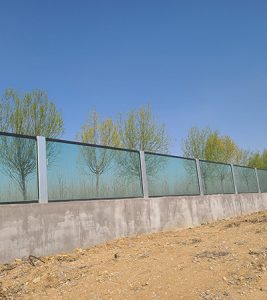
Engineers use strict testing methods to determine how much force Glass Flood Barriers can handle. They follow industry standards set by organizations like ASTM International and AASHTO. These standards describe how to test barriers for water pressure, debris impact, wind, and vehicle loads.
For example, ASTM E330 covers structural performance under uniform static air pressure, while ASTM E1886 and E1996 focus on impact and wind resistance. Testing often takes place in labs where engineers use water tanks, wind tunnels, and impact machines. Each test checks if the barrier meets or exceeds the required safety levels.
Calculation Methods
Engineers also use math to predict how barriers will perform. They calculate the forces from water, wind, and debris using formulas from physics. These calculations help decide the thickness of the glass and the strength of the frame. For hydrostatic loads, engineers use the formula:
Pressure = Water Depth × Water Density × Gravity
They combine these results with test data to set the final load rating. This process ensures the barrier will not fail under expected flood conditions.
Integration with Curtain Walls
Many modern buildings use curtain walls, which are large glass panels that do not support the building’s weight. When adding Glass Flood Barriers, engineers must make sure the barriers work with these curtain walls.
They check that the barrier connects tightly to the wall and does not create weak spots. Sometimes, they use special anchors or seals to keep water out. For deployable barriers, engineers design systems that fit with the building’s structure and can be installed quickly before a flood.
Factors Affecting Load Ratings
Material and Design
Material choice plays a major role in the strength of glass flood barriers. Engineers select laminated glass, tempered glass, or polycarbonate panels based on the expected loads. Each material offers different resistance to water pressure, debris impact, and wind. The design also matters.
Thicker glass panels can handle higher loads. Frames made from steel or aluminum add support and help distribute force. The shape and size of the barrier affect how it responds to pressure. Curved panels may resist water better than flat ones.
Installation and Environment
Proper installation ensures that glass flood barriers perform as expected. Installers must anchor barriers securely to the building structure. Weak connections can reduce the load rating and increase the risk of failure. The environment also affects performance. Barriers in coastal areas face saltwater, which can corrode metal frames. Urban locations may experience more debris during floods. Temperature changes can cause glass to expand or contract, which may affect seals and joints.
Key Environmental Factors:
- Saltwater exposure
- Temperature fluctuations
- Debris from nearby roads or trees
- Wind speed and direction
Maintenance and Longevity
Regular maintenance helps glass flood barriers keep their load ratings over time. Owners should inspect barriers for cracks, loose frames, or damaged seals. Cleaning glass panels removes dirt and prevents scratches. Technicians may need to replace worn-out parts or reseal joints.
Using Load Ratings for Selection
Reading Rating Labels
Manufacturers display load ratings on labels attached to glass flood barriers. These labels show the maximum force the barrier can withstand. The rating often appears as a number with units, such as “50 psf” or “2.4 kN/m.” Labels may also include information about the type of load, such as hydrostatic, wind, or debris impact. Building owners and engineers should read these labels before choosing a barrier.
Common label features:
- Maximum load value
- Type of load tested
- Standard used for testing
- Manufacturer’s name
Tip: Always check that the label matches the requirements for your building and local regulations.
Matching Ratings to Site Needs
Each site faces different flood risks. Engineers match load ratings to the expected conditions at the location. For example, a building near a river may need a barrier with a high hydrostatic rating.
A site in a city might require extra protection from debris and vehicles. The selection process involves reviewing flood maps, local weather data, and building codes.
Steps for matching ratings:
- Identify the types of loads the site may face.
- Review the highest expected water level.
- Check for risks from debris, wind, or vehicles.
- Compare barrier ratings to site needs.
- Consult local standards and experts.
Common Misconceptions
Many people misunderstand load ratings. Some believe a higher rating always means better protection. Others think ratings only apply to water pressure. In reality, the best barrier matches the site’s specific risks. Ratings cover many forces, not just water. Engineers select barriers based on all possible loads.
Misconception: “One rating fits all.”
Fact: Each site needs a barrier with ratings for its unique risks.
Choosing the right glass flood barrier requires careful review of load ratings and site conditions. This approach helps protect buildings and people during floods.
Conclusion
Load ratings play a vital role in the safety and performance of glass flood barriers. They help engineers and building owners choose barriers that match real-world risks. Key points to remember:
- Always review all types of loads and follow industry standards.
- Select barriers that fit the unique needs of each site.
- Consult experts for guidance on local codes and requirements.