Homeowners and businesses often seek the best alternatives for flooding protection. Water-filled barriers, flood panels, absorbent flood bags, sand tubes, and DIY solutions offer reliable protection against flooding.
Sandbags require heavy labor and create disposal problems, which limits their effectiveness as a flood protection solution. Individuals should compare the best alternatives by evaluating cost, ease of use, and protection level.
Why Sandbags Are Losing Trending
Limitations of Sandbags
Sandbags have served as a traditional flood defense for many years. However, they present several challenges that make them less appealing today. People often find sandbags heavy and difficult to move. Each sandbag can weigh up to 40 pounds when filled. This weight makes it hard for one person to build a barrier quickly. Sandbags also require a lot of time and effort to stack properly. If not placed correctly, water can seep through gaps between sandbags.
Disposal and Environmental Concerns
After a flood, sandbags often become contaminated with dirt, chemicals, or sewage. This contamination makes disposal a serious issue. People cannot simply throw used sandbags in the trash. Local rules may require special handling or disposal at approved sites. This process can take extra time and cost more money.
Sandbags also create environmental problems. The materials inside sandbags can spill out and pollute soil or waterways.
Sandbags remain a common sight during floods, but their drawbacks have led many to search for better options.
Best Alternatives to Sandbags for Flooding
Water-Filled Barriers
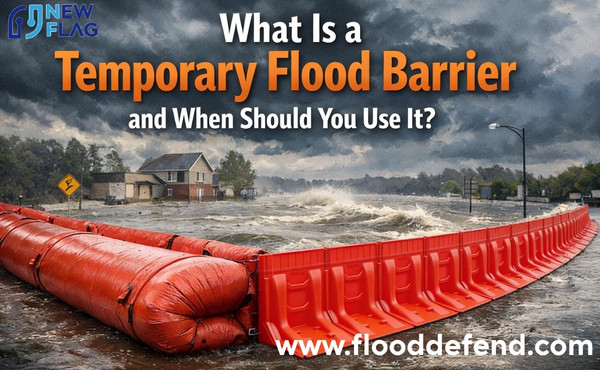
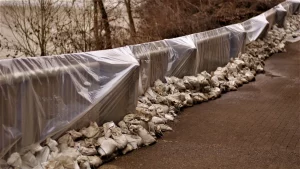
Water-filled barriers have become a popular alternative to sandbags for flooding. These barriers use water to create a strong wall that blocks floodwater. People can quickly set up these barriers by rolling them out and filling them with water from a hose.
The weight of the water keeps the barrier in place during flooding. Water-filled barriers are reusable and easy to store when not in use. Many homeowners and businesses choose these barriers because they offer reliable protection and require less labor than sandbags. Water-filled barriers also reduce waste and environmental impact. They work well for both small and large areas, making them a flexible solution for flood protection.
Flood Panels and Shields
Flood panels and shields provide a sturdy and waterproof defense against flooding. These barriers attach to doors, windows, and other openings to keep water out. People often use flood panels as a long-term solution for properties at high risk of flooding.
The panels are made from strong materials that resist water pressure and debris. Installation is usually quick, and the panels can be removed and stored after the flood passes. Flood panels offer a modern alternative to sandbags and deliver effective protection for homes and businesses. They also help reduce cleanup time after a flood event.
Absorbent Flood Bags
Absorbent flood bags, sometimes called water-activated sandless sandbags, are a lightweight and easy-to-use alternative to sandbags for flooding. These flood bags contain special materials that expand when they come into contact with water.
The bags grow in size and form a tight barrier that blocks floodwater. People can carry and store absorbent flood bags with little effort. During a flood, they simply place the bags where water might enter.
Sand Tubes
Sand tubes serve as another alternative to sandbags for flooding. These long, flexible tubes are filled with sand or other absorbent materials. People place sand tubes along doors, garages, and driveways to stop water from entering.
Sand tubes are easier to handle than traditional sandbags because of their shape and size. They create a continuous barrier that blocks water more effectively. Some sand tubes are reusable, which makes them a cost-effective choice for repeated flooding events. Sand tubes provide strong protection and can be stored easily when not in use.
Inflatable Barriers
Inflatable barriers offer a fast and efficient way to protect against flooding. These barriers use air or water to inflate and form a solid wall. People can deploy inflatable barriers quickly, making them ideal for sudden flood events. Inflatable barriers are lightweight and easy to transport.
DIY Sandbag Alternatives
DIY solutions give people the chance to create their own barriers for flood protection. Some common DIY sandbag alternatives include using plastic garbage bags filled with dirt, gravel, or cat litter. People can stack these bags to form a barrier against floodwater.
Waterproof Tape and Water Barriers
Waterproof tape and water barriers help seal gaps and cracks where water might enter a building. People use waterproof tape to cover seams around doors, windows, and walls. This tape creates a tight, waterproof seal that keeps floodwater out. Water barriers, such as water-activated barriers and reusable water tubes, can be placed along entry points to block water.
Comparing Sandbag Alternatives
Effectiveness in Flooding
When comparing sandbags to other flood control options, effectiveness stands as the most important factor. Sandbags have long served as a basic barrier, but they often fail to provide an effective seal against water. Water-filled barriers and flood panels offer a more effective solution for most flooding events.
Absorbent flood bags expand to create an effective block, while sand tubes form a continuous line that controls water flow. Inflatable barriers can be effective for rapid response. DIY options and waterproof tape may help with minor flooding but do not offer the same level of effective protection as commercial products. Each alternative should be tested for its ability to control water and provide effective flood control.
Cost and Value
Cost plays a major role in choosing between sandbags and other alternatives. Sandbags seem inexpensive at first, but the cost of labor, disposal, and replacement adds up over time. Water-filled barriers and flood panels require a higher initial investment, but their effective reusability often makes them a better value.
Absorbent flood bags cost less per unit but are single-use. Sand tubes and inflatable barriers offer a balance between cost and effective protection. DIY solutions provide a budget-friendly option, but their effectiveness may not match commercial products.
Ease of Installation and Use
Sandbags require heavy lifting and careful stacking, which makes them less effective for quick flood response. Water-filled barriers and inflatable barriers set up quickly and require less effort. Flood panels install easily over doors and windows.
Absorbent flood bags and sand tubes are lightweight and simple to place. DIY options depend on available materials and may take extra time to prepare. Effective flood control depends on how quickly and easily a barrier can be installed.
Reusability and Storage
Sandbags often become contaminated and cannot be reused. Water-filled barriers, flood panels, sand tubes, and inflatable barriers offer effective reusability and easy storage.
Absorbent flood bags are single-use and require disposal after flooding. DIY options vary in reusability. Effective flood control solutions should store compactly and remain ready for future use.
Choosing the Right Alternative for Your Needs
Assessing Flood Risk
Every property faces a different level of risk from flooding. People should start by checking if their home or business sits in a high-risk, moderate-risk, or low-risk flood zone.
Local government websites and flood maps can help with this step. Properties near rivers, lakes, or in low-lying areas often face a higher chance of flooding.
Those who have experienced water damage before should consider stronger barriers than sandbags. Understanding the risk helps people choose the right tools to prepare for a flood threat.
Matching Solutions to Property Type
Different properties need different flood protection methods. Homeowners with basements may need barriers that block water from entering lower windows or doors. Businesses with large entrances might use water-filled barriers instead of sandbags.
Apartments or condos often benefit from absorbent flood bags or waterproof tape for quick fixes. People should look at the size and shape of their property before picking a solution. Sandbags work for small gaps, but larger spaces may need panels or inflatable barriers. Matching the right product to the property increases protection during flooding.
Conclusion
People now have many choices beyond sandbags for flood protection. Water-filled barriers, flood panels, absorbent flood bags, sand tubes, and inflatable barriers all offer strong benefits over sandbags.
These options provide easier use, better storage, and less waste than sandbags. Each property faces different risks, so people should compare sandbags with other solutions before making a decision. Sandbags may still help in some cases, but new technology often works better. People