Floods threaten homes and communities every year. Many people rely on flood prevention devices to protect property and reduce damage. Flood safety tips help families prepare for emergencies and stay safe during storms.
Home flood prevention starts with understanding where water can enter and how different barriers work together. Careful planning and device selection improve protection against rising water and sudden floods.
Why Combine Flood Prevention Devices
Multi-Layered Flood Control Methods
Floods can overwhelm single flood barriers. People use multi-layered flood control methods to increase safety. They place flood bags at entry points, then add water-filled tubes behind them. Air-filled barriers can block water from reaching doors and windows. Each layer slows the flood and gives extra time for evacuation. Flood prevention devices work best when used together. People often combine flood bags with interlocking panels for stronger protection. These methods help control water flow and reduce damage.
Effective Device Combinations
Flood barriers come in many forms. People use flood bags, water-filled tubes, and air-filled barriers to block water. They stack flood bags in front of doors and garages. Water-filled tubes line the perimeter of a property. Air-filled barriers protect windows and basement entries.
Combining these flood control methods creates a strong defense. Flood prevention devices must fit the property’s needs. People choose flood barriers based on flood risk and building layout. Flood bags work well for quick deployment. Water-filled tubes provide long-term flood control. Air-filled barriers add flexibility.
Integrating Blue-Green Infrastructure
Blue-green infrastructure supports flood protection structures and flood control methods. Rain gardens, permeable pavements, and green roofs absorb water and slow runoff. These methods reduce pressure on flood barriers and flood bags. People combine blue-green solutions with traditional flood prevention devices for better results.
Blue-green infrastructure helps control water before it reaches flood barriers. It also improves drainage and lowers flood risk. People use these methods to create a safer environment and protect property from flood damage.
Selecting and Preparing Flood Prevention Devices
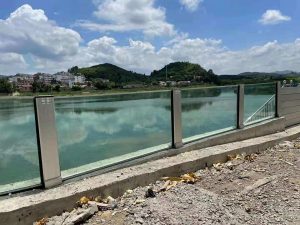
Assessing Property Flood Risks
People need to understand flood risks before choosing flood prevention devices. They should inspect basements, garages, and ground-level windows for possible water entry. Flood maps and local history provide clues about flood-prone areas.
He or she can look for signs of previous water damage. A checklist helps identify weak spots. People often find that low-lying areas and old drainage systems increase flood risk. They should consider the direction of water flow during heavy rain. This assessment guides the selection of flood barriers and flood bags for effective flood control.
Tip: Regular inspections help spot new vulnerabilities and improve flood control methods.
Choosing Compatible Flood Barriers
Flood barriers come in many shapes and sizes. People select flood bags for quick protection at doors and garages. Water-filled tubes work well along property lines. Air-filled barriers fit around windows and basement entries.
He or she should match flood barriers to the building layout and flood risk. A table can help compare flood control techniques:
| Barrier Type | Best Location | Control Level |
|---|---|---|
| Flood bags | Doors, garages | High |
| Water-filled tubes | Perimeter, driveways | Moderate |
| Air-filled barriers | Windows, basements | Flexible |
People combine different flood barriers for reliable flood control systems. They use flood bags with interlocking panels to strengthen flood protection structures. This mix of methods creates effective flood control and reduces damage.
Installing Backflow Valves and Safety Devices
Backflow valves stop water from moving backward into pipes during a flood. People install these devices in basements and utility rooms. He or she should elevate electrical panels and heating systems above flood levels.
Safety alarms warn people when water enters the property. Flood control methods include sealing cracks and gaps with waterproof materials. People check that flood bags and barriers fit tightly. Regular maintenance keeps flood prevention devices working well. These flood control techniques protect homes and improve safety.
Note: Installing backflow valves and elevating critical systems increases protection against flood damage.
Deploying Flood Barriers and Warning Systems
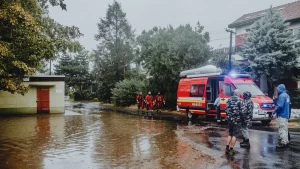
Staggering and Placement Techniques
Flood barriers protect homes and buildings from rising water. People use different placement techniques to improve flood control. Staggering flood barriers creates overlapping protection. He places flood bags in front of doors and windows. She lines water-filled tubes along the perimeter.
They set air-filled barriers at basement entries. This arrangement blocks water from multiple directions. Fast-deployable flood barriers help when time is short. People stack flood bags in layers for extra strength. He checks that each barrier fits tightly against the next. She avoids gaps between flood barriers. They use reliable flood control systems to keep water out.
A table shows common placement strategies:
| Technique | Description | Benefit |
|---|---|---|
| Staggered barriers | Overlapping flood barriers | Stronger protection |
| Layered flood bags | Multiple rows of flood bags | Extra water resistance |
| Perimeter tubes | Tubes around property edges | Wide area coverage |
| Entry point barriers | Barriers at doors and windows | Targeted defense |
Tip: He should always test flood barriers before a storm. Proper placement ensures effective flood control.
Sealing Entry Points
Water enters through cracks, gaps, and weak spots. People seal entry points to improve flood control. He uses waterproof tape and sealant around doors and windows. She checks basement walls for leaks. They install flood bags at garage doors.
Flood barriers must fit tightly to block water. He inspects utility openings and vents. She covers low-lying windows with air-filled barriers. They reinforce seams between flood barriers. These methods prevent water from slipping through. Reliable flood control systems depend on strong seals.
A checklist for sealing entry points:
- Inspect all doors and windows for gaps.
- Apply waterproof sealant to cracks.
- Place flood bags at vulnerable spots.
- Cover basement entries with flood barriers.
- Check utility openings and vents.
Note: Sealing entry points works best with multiple flood barriers. He should combine methods for maximum safety.
Setting Up Early Warning Systems
Early warning systems alert people before flood water arrives. He installs water sensors near entry points. She sets up alarms in basements and garages. They connect warning devices to mobile phones.
Early warning systems give time to deploy flood barriers and flood bags. He tests warning devices regularly. She checks battery life and sensor placement. They update systems after each flood event. Reliable flood control systems include early warning systems for fast response.
A simple process for setting up early warning systems:
- Place water sensors at key locations.
- Connect alarms to phones or speakers.
- Test warning devices monthly.
- Update systems after heavy rain or flood.
Callout: Early warning systems help people act quickly. He should combine warning devices with flood barriers for effective flood control.
People use flood barriers, flood bags, and early warning systems together. These methods create strong protection against flood damage. He improves safety by sealing entry points and staggering barriers. She maintains warning devices for fast alerts. They rely on effective flood control and reliable flood control systems to protect property.
Maintenance and Troubleshooting
Routine Checks for Flood Prevention Devices
Regular maintenance keeps flood prevention devices ready for emergencies. He inspects flood bags for tears or leaks. She checks levees for erosion and weak spots. They test warning systems every month. Backflow valves need cleaning to prevent blockages.
People look for signs of wear on flood protection structures. Community members organize inspections after heavy rain. These routine checks improve flood resilience and help control water during storms. He records maintenance dates to track device performance. She replaces damaged flood bags before the next flood season. They update flood control methods based on inspection results.
Tip: People should schedule routine checks before and after flood events. Early detection of problems increases community resilience.
Common Mistakes and Fixes
People sometimes make mistakes when deploying flood control techniques. He places flood bags too far apart, leaving gaps for water. She forgets to seal entry points around windows. They stack levees unevenly, reducing control.
Warning systems may lose power if batteries run low. Community members sometimes ignore small leaks in flood protection structures. To fix these errors, he arranges flood bags tightly. She applies extra sealant to cracks. They reinforce levees with sand and soil. People test warning systems after installation. These fixes restore flood control and protect homes.
| Mistake | Fix |
|---|---|
| Gaps between flood bags | Arrange bags closely |
| Unsealed windows | Use waterproof sealant |
| Uneven levees | Level and reinforce with sand |
| Weak warning systems | Replace batteries and test devices |
Upgrading Flood Control Methods
Flood risks change over time. He upgrades flood control methods to match new threats. She adds more flood bags to entry points. They build higher levees for stronger control. Community members install advanced warning systems.
People improve drainage to support flood protection structures. He learns about new flood control techniques from local experts. She joins community workshops on flood resilience. They share tips for upgrading systems. These upgrades help the community prepare for future floods.
Callout: Upgrading flood control methods increases safety and protects property. Community members should work together to improve systems and build resilience.
Conclusion
People achieve strong flood protection by combining flood bags, water activated barriers, and modern flood control structures. They assess risks, select the right gear, and use green infrastructure with traditional methods. Regular checks keep systems ready. Early warning systems alert families before flood water rises.
He updates flood-resistant design and maintains infrastructure for long-term solutions. She controls water with layered barriers and strong structures. They improve control by upgrading infrastructure and using new methods. A personal checklist helps everyone stay prepared for flood events.