
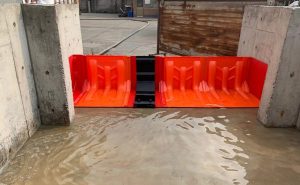
Proper care is essential to ensure the reliability and durability of L-Shaped Flood Barriers. Regular maintenance helps prevent damage, extends their lifespan, and guarantees optimal performance when protecting properties from rising water. By following simple inspection and upkeep routines, property owners can maximize the effectiveness of these barriers and reduce costly repairs. This article explores practical maintenance tips to keep your L-Shaped Flood Barriers functioning at their best.

Essential Maintenance Tips
Routine Inspection
Inspection Frequency
Regular inspections help keep L-shaped flood barriers in top condition. Check barriers before and after each use. Daily or weekly checks are important during flood season.
Seasonal and Annual Checks
Perform a thorough inspection at the start and end of each flood season. Look for signs of wear on seams, zippers, valves, and fabric. Annual checks should include a full review of all components.
Cleaning After Use
Rinsing Dirt and Debris
Always rinse barriers with clean water after each deployment. Remove mud, sand, and debris from all surfaces. Pay special attention to joints and corners where dirt can collect.
Avoiding Harsh Chemicals
Do not use strong chemicals or abrasive cleaners. These can damage the barrier material and reduce its lifespan. Use mild soap and water if needed.
Checking Joints and Connections
Identifying Wear or Damage
Inspect all joints and connections for cracks, rust, or other damage. Look for leaks or weak spots that could cause failure during a flood. Early detection helps prevent bigger problems.
Addressing Loose Fittings
Tighten any loose bolts, nuts, or fasteners. Replace missing or damaged parts right away. Secure connections ensure the barrier works as designed.
Table: Inspection Checklist
| Area to Check | What to Look For | Action Needed |
|---|---|---|
| Seams and Joints | Cracks, leaks, wear | Repair or replace |
| Connections | Loose or missing parts | Tighten or replace |
| Barrier Surface | Dirt, debris, damage | Clean or patch |
| Valves and Zippers | Function, damage | Test or repair |
Following these Maintenance Tips helps extend the life of your L-shaped flood barriers. Regular care and attention keep barriers ready for any flood event. Consistent inspections, cleaning, and repairs are key to reliable protection.
Storage Best Practices
Preparing for Storage
Drying Thoroughly
Water can cause mold and weaken barrier materials. Always dry L-shaped flood barriers completely before storing them. Use towels or air drying to remove moisture from every surface.
Removing Debris
Dirt and debris left on barriers can lead to damage over time. Clean all surfaces and joints before storage. Use a soft brush or cloth to remove mud, sand, and leaves.
Choosing Storage Location
Dry, Covered Areas
Store barriers in a dry, covered area to prevent degradation. Moisture and sunlight can harm barrier materials. A shed or indoor storage room works well.
| Storage Area | Protection Level | Recommended? |
|---|---|---|
| Outdoor, uncovered | Low | No |
| Indoor, dry | High | Yes |
| Covered shed | Medium | Yes |
Protection from Elements
Keep barriers away from rain, snow, and direct sunlight. Exposure to weather can cause fading, cracking, or rust. Use tarps or covers for extra protection if needed.
Organizing Barriers
Stacking Safely
Stack barriers carefully to avoid bending or crushing. Place heavier barriers at the bottom and lighter ones on top. Leave space between stacks for easy access.
Labeling and Inventory
Label each barrier for quick identification. Keep an inventory list to track the number and condition of barriers. Update the list after each use or inspection.
Inventory Checklist:
- Barrier ID
- Storage location
- Last inspection date
- Condition notes
Storing barriers correctly is one of the most important Maintenance Tips. Drying, cleaning, and organizing barriers help prevent damage and ensure readiness for floods. A dry, covered storage area keeps barriers reliable for years.
Seal and Anchor Care
Inspecting Seals
Signs of Wear
Seals play a key role in keeping water out. Look for cracks, splits, or discoloration on each seal. Check for areas where the seal feels brittle or loose.
Testing Effectiveness
Test seals by gently pressing along their length. Watch for gaps or leaks when water is applied. If a seal does not hold tight, it may need replacement.
| Seal Test | Result | Action |
|---|---|---|
| No leaks | Pass | Keep seal |
| Small leaks | Fail | Repair or replace |
| Large gaps | Fail | Replace immediately |
Cleaning and Replacing Seals
Safe Cleaning Methods
Clean seals with mild soap and water. Avoid harsh chemicals that can weaken rubber or plastic. Use a soft cloth to wipe away dirt and grime.
Cleaning Steps:
- Remove loose debris.
- Apply mild soap solution.
- Wipe gently with a soft cloth.
- Rinse with clean water.
- Dry thoroughly.
Replacement Steps
If a seal shows damage, replace it right away. Remove the old seal carefully. Fit the new seal into place and check for proper alignment.
Replacement Checklist:
- Remove damaged seal.
- Clean the area.
- Install new seal.
- Test for leaks.
Anchor Plate Checks
Tightening and Alignment
Anchor plates keep barriers stable. Inspect each plate for tightness. Use a wrench to secure bolts and nuts. Make sure plates sit flat and align with the barrier.
Corrosion Prevention
Check anchor plates for signs of rust or corrosion. Clean plates with a wire brush if needed. Apply a protective coating to prevent future rust.
| Plate Condition | Action |
|---|---|
| Clean, no rust | No action needed |
| Light rust | Clean and coat |
| Heavy corrosion | Replace plate |
Regular care of seals and anchor plates helps maintain barrier strength. Inspect, clean, and replace parts as needed. These steps keep your flood barriers ready for action.
Repair and Replacement
Assessing Damage
Minor vs. Major Issues
Start by examining the barrier for any signs of damage. Minor issues include small holes, light rust, or loose fittings. Major issues involve large cracks, broken seals, or bent anchor plates.
| Issue Type | Examples | Action Needed |
|---|---|---|
| Minor | Small punctures, light rust | Patch or clean |
| Major | Large cracks, broken anchors | Replace components |
Documentation
Keep a record of all damage found during inspections. Write down the location, type, and size of each issue. Take photos if possible for future reference.
Documentation Checklist:
- Date of inspection
- Description of damage
- Actions taken
- Photos (if available)
Good records help track recurring problems and support warranty claims.
Repair Steps
Patching and Rust Treatment
For small holes or tears, use a patch kit designed for flood barriers. Clean the area first, then apply the patch according to the instructions. For rust, scrub the affected spot with a wire brush and apply a rust inhibitor.
Basic Repair Steps:
- Clean the damaged area.
- Apply patch or rust treatment.
- Allow to dry or cure as directed.
Post-Repair Testing
After repairs, test the barrier to ensure it works properly. Fill the area with water or use a hose to check for leaks. Watch for any signs of weakness or failure.
| Test Type | What to Look For | Next Step |
|---|---|---|
| Leak Test | Drips, wet spots | Re-patch if needed |
| Stability Test | Movement, shifting | Tighten anchors |
Testing after repairs ensures the barrier will perform during a real flood.
Replacing Components
Sourcing Parts
Order replacement parts from the original manufacturer or a trusted supplier. Check that the new parts match the size and type of your barrier. Keep extra parts on hand for quick repairs.
Installation
Follow the manufacturer’s instructions for installing new components. Use the correct tools and double-check all connections. Test the barrier after installation to confirm proper function.
Installation Steps:
- Remove damaged part.
- Fit new part in place.
- Secure all fasteners.
- Test for leaks or movement.
Proper repair and replacement keep L-shaped flood barriers strong and reliable. Regular attention to damage and quick action help prevent bigger problems in the future.
Training and Documentation
User Training
Handling and Setup
Proper handling keeps L-shaped flood barriers in good condition. Users should learn how to lift, move, and set up barriers safely. Training sessions help prevent accidents and damage.
- Always use two people for heavy barriers.
- Wear gloves to protect hands from sharp edges.
- Follow setup instructions step by step.
Maintenance Checklists
A checklist helps users remember each maintenance step. It ensures that no part of the barrier gets overlooked. Teams can use printed checklists during inspections.
Sample Maintenance Checklist:
- Inspect seams and joints
- Clean all surfaces
- Check seals and anchors
- Test for leaks
- Record findings
Record Keeping
Maintenance Logs
Maintenance logs track the history of each barrier. Logs should include inspection dates, repairs, and any issues found. Good records help spot patterns and plan future maintenance.
| Date | Action Taken | Notes |
|---|---|---|
| 2024-03-10 | Cleaned and dried | No issues found |
| 2024-04-15 | Replaced seal | Small leak detected |
| 2024-06-01 | Full inspection | Rust on anchor plate |
Warranty Compliance
Following the manufacturer‘s maintenance guidelines keeps the warranty valid. Logs and checklists provide proof of proper care. This documentation can help with warranty claims if needed.
- Store all warranty documents in a safe place.
- Record all maintenance actions.
- Contact the manufacturer if unsure about warranty terms.
Manufacturer Support
Manuals and Resources
User manuals contain important information about barrier care. Manuals explain setup, cleaning, and repair steps. Many manufacturers also provide online resources and videos.
- Read the manual before first use.
- Refer to diagrams for correct assembly.
- Use online guides for troubleshooting.
Professional Help
Some repairs require expert assistance. Contact the manufacturer or a qualified technician for major issues. Professional help ensures that repairs meet safety standards.
Training and documentation support long-term barrier performance. Well-trained users and accurate records help prevent mistakes and extend the life of L-shaped flood barriers.
Conclusion
Regular maintenance is crucial for ensuring the longevity and effectiveness of L-Shaped Flood Barriers. By implementing routine inspections, cleaning, and proper storage, property owners can enhance performance, prevent costly damage, and maintain reliable flood protection. Prioritizing these practices not only extends the barrier’s lifespan but also strengthens overall preparedness against flooding. Maintaining L-Shaped Flood Barriers is a smart investment in long-term safety and property protection.