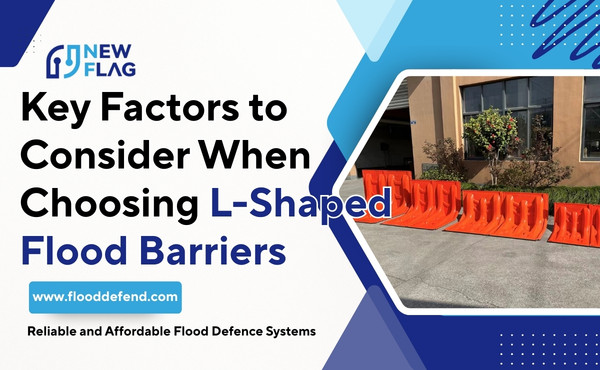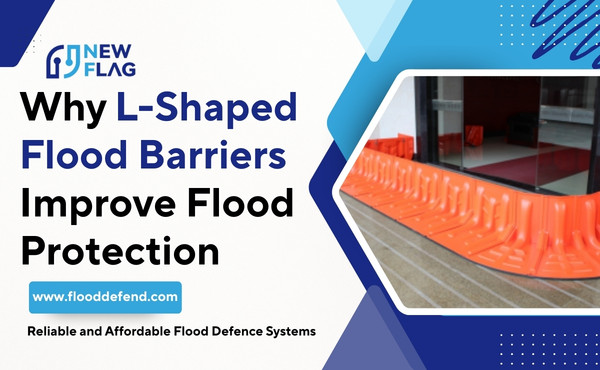
When protecting properties from rising water, selecting the right barrier is crucial. L-Shaped Flood Barriers offer efficient, quick-to-deploy solutions for both residential and commercial flood defense. Choosing the right type ensures maximum protection, durability, and ease of installation, reducing potential damage and costs. This article explores the key factors to consider when selecting L-Shaped Flood Barriers, helping you make an informed decision for reliable flood protection.

Site Assessment for Choosing L-Shaped Flood Barriers
Flood Risk Evaluation
A site assessment is the first step in choosing the right flood barriers. A professional flood risk evaluation helps identify how likely a flood is to happen. This process looks at past flood events, local weather patterns, and nearby water sources.
Flood risk levels can range from low to high. High-risk areas may need stronger flood protection. Low-risk sites might only need basic barriers. The right flood barriers depend on how much water could enter your property during a flood.
Flood protection also depends on the speed and depth of water. Fast-moving water can damage barriers that are not strong enough. Deep water may require taller flood barriers for better protection.
Site Conditions and Requirements
Every property has unique site conditions. Terrain plays a big role in flood protection. Flat land may allow water to spread quickly. Sloped land can direct water toward buildings.
Infrastructure also affects the choice of flood barriers. Properties with basements or underground garages need extra protection. Entry points like doors and windows must be checked for weak spots.
Materials used for flood barriers must match the site’s needs. Some materials offer better durability in harsh weather. Others may resist corrosion or wear from repeated floods.
A table can help compare site factors:
| Site Factor | Impact on Flood Barriers |
|---|---|
| Terrain | Affects water flow and pooling |
| Infrastructure | Determines barrier placement |
| Entry Points | Shows where barriers are needed |
| Materials | Impacts durability and strength |
Choosing the right flood barriers means understanding your property’s risks and needs. Proper site assessment leads to better flood protection and longer-lasting materials.
Design and Material for Flood Protection
Material Strength and Durability
Material strength is a key factor in flood protection. Strong materials help flood barriers stand up to heavy water pressure. Many flood barriers use steel, aluminum, or reinforced concrete. These materials resist bending and breaking during a flood.
Durability also matters for long-term protection. Some materials resist rust and corrosion better than others. For example, galvanized steel lasts longer in wet conditions. Flood barriers made from durable materials need less maintenance and give better flood protection over time.
Structural Effectiveness
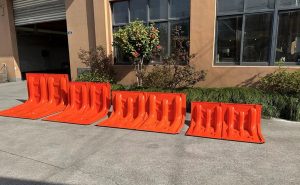
L-shaped flood barriers have a special design. The L-shape gives extra support against water pressure. This shape helps stop the barrier from tipping over during a flood.
Flood barriers with strong bases stay in place even when water pushes hard. The L-shape spreads the force of the flood across the ground. This design increases protection for buildings and other structures.
A table can show the benefits of L-shaped flood barriers:
| Feature | Benefit for Flood Protection |
|---|---|
| L-shape design | Stops overturning |
| Strong base | Holds barrier in place |
| Reinforced body | Resists water pressure |
Size and Configuration Options
Flood barriers come in many sizes. Some are short for doorways. Others are tall for large openings or long walls. The right size gives the best flood protection for each area.
Many flood barriers can connect together. This lets you build a longer line of protection. Some barriers have adjustable parts for different site needs.
Installation and Maintenance of Flood Barriers
Deployment Speed and Ease
Flood events can happen quickly. Fast deployment of flood barriers is important for effective flood protection. Many flood barriers are designed for quick setup, which helps reduce the risk of water entering buildings.
Some flood barriers use simple locking systems. Others have lightweight panels for easy movement. These features increase ease of use and allow for rapid response during a flood.
Ease of installation also depends on the design. L-shaped flood barriers often require fewer tools. This makes them suitable for both residential and commercial sites.
A table can show the benefits of quick deployment:
| Feature | Benefit During Flood |
|---|---|
| Lightweight materials | Faster setup |
| Simple connections | Less time needed |
| Modular design | Flexible flood protection |
Maintenance Needs and Costs
Regular maintenance keeps flood barriers ready for use. After each flood, inspect all parts for damage. Clean the surfaces to remove mud and debris.
Check for rust or cracks in the material. Replace any worn parts to keep the flood barriers strong. Proper care extends the life of the barriers and ensures reliable flood protection.
Maintenance costs depend on the materials used. Some flood barriers need only basic cleaning. Others may require more repairs after repeated flood events.
A simple checklist can help with maintenance:
- Inspect for damage after each flood
- Clean all surfaces
- Check for rust or cracks
- Replace damaged parts
Flood barriers that are easy to maintain offer better long-term protection and lower costs. Regular checks and care ensure the barriers work when a flood happens.
Effectiveness and Certification
Standards and Certifications
Flood barriers must meet strict standards to ensure effectiveness. Many countries have rules for flood barrier system design and installation. These rules help guarantee that each flood barrier system will provide reliable flood protection.
Testing is important for every flood barrier system. Certified labs test flood barriers for strength and water resistance. A flood barrier system that passes these tests shows high effectiveness in real flood situations.
A table can help compare common standards:
| Standard Type | What It Checks For |
|---|---|
| Structural Strength | Withstands flood pressure |
| Water Tightness | Stops water from leaking |
| Durability | Lasts through many floods |
Performance Data
Real-world performance data shows how well a flood barrier system works during a flood. Manufacturers often share test results and case studies. These reports help buyers judge the effectiveness of each flood barrier system.
Look for flood barriers with proven performance in different flood events. Data should include how much water the flood barrier system stopped and how long it lasted. This information helps you choose the best flood barrier system for your needs.
A flood barrier system with strong performance data and proper certification offers the best flood protection. Always review both standards and real-world results to ensure your flood barrier system will work when a flood happens.
Cost and Adaptability
Cost vs. Lifespan
Cost plays a big role when choosing flood barriers. Some flood barriers have a higher price at first, but they last longer and need fewer repairs. This means the total cost over time can be lower.
A table can help compare cost and lifespan:
| Flood Barrier Type | Initial Cost | Average Lifespan | Maintenance Needs |
|---|---|---|---|
| Steel | High | 20+ years | Low |
| Aluminum | Medium | 15 years | Medium |
| Plastic | Low | 5-10 years | High |
Flood barriers that last longer give better value. They protect against flooding for many years. Choosing strong flood barriers can save money in the long run.
Reusability and Flexibility
Reusability is important for flood protection. Some flood barriers can be used again after a flood. These barriers help save money and reduce waste.
Flexible flood barriers work in many places. They can fit around corners or cover wide spaces. This makes them useful for different flooding situations.
A list of benefits for reusable and flexible flood barriers:
- Can be set up quickly for each flood
- Work for many types of flooding
- Lower cost over time
Flooding can happen more than once. Reusable flood barriers give protection for every flood event. Flexible flood barriers can adapt to changes in the property or new flooding risks.
Choosing flood barriers with good reusability and flexibility helps protect against flooding now and in the future.
Supplier Support and Warranty
Technical Support Availability
Flood guards play a key role in protecting property during a flood. Reliable supplier support helps owners use flood guards correctly. Good technical support answers questions about flood guards and their setup.
Many suppliers offer phone or online help for flood guards. This support can guide users through flood guard installation before a flood. Quick answers from experts help owners feel ready for any flood event.
Some suppliers provide training for flood guards. Training helps users understand how to set up flood guards fast when a flood warning comes. Support teams can also help with repairs after a flood.
A table can show what to look for in supplier support:
| Support Feature | Why It Matters for Flood Guards |
|---|---|
| 24/7 Help Line | Fast answers during a flood |
| Setup Guidance | Correct use of flood guards |
| Repair Assistance | Keeps flood guards working |
Warranty and Service
A strong warranty protects your investment in flood guards. Warranties cover defects in flood guards and may include repairs after a flood. Good service plans help keep flood guards ready for the next flood.
Check how long the warranty lasts for flood guards. Some warranties cover flood guards for many years. Others may only last a short time after purchase.
Service plans often include regular checks of flood guards. These checks find problems before the next flood. Reliable service means flood guards will work when a flood happens.
Choosing flood guards with strong support and warranty gives peace of mind. Owners know their flood guards will protect them during every flood.