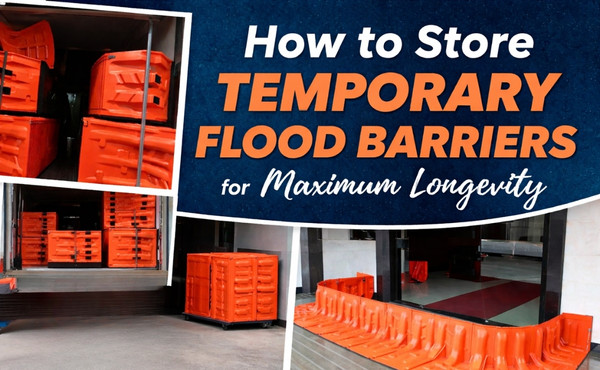
Proper storage of Temporary Flood Barriers is essential to ensure they remain effective when needed most. Without correct handling, materials can degrade, reducing their lifespan and reliability during critical flood events. This guide explores practical strategies for storing flood barriers safely, maximizing durability, and maintaining readiness. By following these best practices, you can protect your investment and ensure your barriers perform optimally when emergencies arise.

Immediate Post-Use Steps
Cleaning Flood Barriers
Safe Cleaning Materials
Proper cleaning starts with the right materials. Use mild soap or detergent and soft brushes or cloths. Avoid harsh chemicals, bleach, or abrasive pads, as these can damage the barrier material.
Cleaning Techniques
Begin by rinsing the barriers with clean water to remove mud and debris. Gently scrub surfaces with a soft brush and soapy water. Pay extra attention to seams and folds, where dirt can hide.
For stubborn stains, let the soap sit for a few minutes before scrubbing. Rinse thoroughly to remove all soap residue. Make sure no cleaning solution remains, as it can weaken the material over time.
Drying Methods
Air Drying
After cleaning, lay the barriers flat or hang them in a well-ventilated area. Air drying is the safest method and helps prevent heat damage. Turn the barriers occasionally to ensure all sides dry evenly.
If possible, dry barriers outdoors in the shade. Direct sunlight can cause fading or material breakdown. Indoors, use fans to speed up the drying process.
Preventing Mold
Moisture left on barriers can lead to mold and mildew. Always check that every part is completely dry before storage. Pay special attention to seams, pockets, and folds, as these areas trap water.
A simple checklist can help:
- Inspect all surfaces for damp spots.
- Use a dry towel to blot any remaining moisture.
- Allow extra drying time during humid weather.
Taking these steps right after use keeps barriers in top condition and ready for the next emergency.
Inspecting for Damage
After cleaning and drying, always inspect your temporary flood barriers for any signs of damage. Careful inspection helps you catch problems early and keeps your barriers reliable for future use.
Visual Checks
Tears and Wear
Look closely at all surfaces for tears, holes, or worn spots. Even small punctures can let water through during a flood. Use a flashlight to check seams and folds, as these areas often show the first signs of wear.
If you find any damage, mark it with tape or a marker. This makes repairs easier later.
Seals and Fasteners
Examine all seals, zippers, buckles, and Velcro strips. These parts must work properly to keep the barrier watertight. Check for cracks, rust, or missing pieces.
A quick checklist for seals and fasteners:
- Are all zippers and buckles working?
- Do Velcro strips stick firmly?
- Are rubber seals free from cracks?
Replace any broken or missing parts before storing the barriers.
Functional Testing
Water Tightness
Test the barrier’s ability to hold water. Set up a small section and pour water against it. Watch for leaks or drips along seams and corners.
If you see water escaping, note the location. This helps you target repairs.
Structure Check
Check the overall shape and strength of the barrier. Make sure it stands upright and does not sag. Look for bent frames or warped panels.
If the structure feels weak, consider reinforcing it or replacing damaged sections.
Repairs
Repair or Replace
Decide if the damage can be fixed or if you need a replacement. Small holes or tears can often be patched with repair kits. Large rips or broken frames may require new parts.
A simple table can help you decide:
| Damage Type | Repairable? | Action Needed |
|---|---|---|
| Small tear | Yes | Patch or seal |
| Broken zipper | Yes | Replace zipper |
| Large hole | Sometimes | Patch or replace |
| Bent frame | Sometimes | Straighten/replace |
Tools Needed
Keep a basic repair kit with your barriers. Useful tools include:
- Waterproof patch kits
- Strong adhesive or sealant
- Replacement zippers and buckles
- Scissors and utility knife
Regular inspection and timely repairs help your flood barriers last longer and perform better when you need them most.
Store Temporary Flood Barriers Properly
Folding and Securing
Folding Techniques
Proper folding helps prevent creases and weak spots. Lay each barrier flat on a clean surface. Fold along the original lines or seams if possible. Smooth out air pockets as you go. This method keeps the material strong and ready for the next use.
Storage Bags or Containers
Place folded barriers in sturdy storage bags or containers. Choose bags that are waterproof and easy to seal. Containers should be clean and dry before use. This step protects barriers from dust, pests, and accidental tears.
Label each bag or container with the barrier type and size. This makes it easier to find the right one during an emergency.
Storage Environment
Temperature and Humidity
Store temporary flood barriers in a cool, dry, and well-ventilated area. High temperatures can weaken the material. Humidity can cause mold and mildew. Good airflow helps keep barriers dry and fresh.
A simple checklist for the storage area:
- No leaks or standing water
- Temperature stays below 80°F
- Humidity stays below 60%
These steps help barriers last for long-term use.
UV Protection
Sunlight can break down barrier materials over time. Keep barriers away from windows and direct sunlight. Use covers or tarps to block UV rays. This protects the barriers and keeps them ready for flood protection.
Labeling and Organization
Inventory Tips
Keep a clear inventory of all stored barriers. List the type, size, and condition of each one. Update the list after every use or inspection. This helps you track what you have and what needs repair.
A sample inventory table:
| Barrier Type | Size | Condition | Location |
|---|---|---|---|
| Inflatable | 10 ft | Good | Shelf A |
| Modular | 6 panels | Repaired | Bin 2 |
| Water-filled | 15 ft | Excellent | Rack 1 |
Emergency Access
Store temporary flood barriers in a place that is easy to reach. Do not block them with other items. Mark the storage area with clear signs. Quick access is important for effective flood protection.
Proper storage can extend the shelf life of barriers to over 10 years. Clean, dry, and organized storage keeps barriers reliable for every flood season.
Proper Storage Practices for Longevity
Proper storage practices help extend the life of temporary flood barriers. Always store barriers in a cool, dry, and well-ventilated space. Keep them covered and away from sunlight to prevent material breakdown.
Maintenance Checks
Seasonal Inspections
Inspect barriers at the start of each season. Look for signs of wear, mold, or damage. Update your inventory list after each inspection to support flood preparedness.
After Storms
Check barriers after every major storm. Floodwaters and debris can cause hidden damage. Quick inspections help you spot problems before the next emergency.
A simple checklist for post-storm inspections:
- Check for tears or holes.
- Inspect seals and fasteners.
- Confirm all parts are dry and clean.
Readiness Testing
Quick Deployment
Practice setting up barriers at least once a year. This helps your team respond quickly during a flood event. Regular drills improve flood preparedness and reveal any issues with equipment.
Repacking
After each drill or use, repack barriers carefully. Fold them along original lines and store them in labeled containers. Proper repacking prevents damage and keeps barriers ready for the next use.
A table for readiness testing:
| Task | Frequency | Purpose |
|---|---|---|
| Deployment Drill | Once per year | Improve flood preparedness |
| Repacking | After each use | Prevent material stress |
Regular maintenance is key to long-term reliability. These steps ensure barriers stay in top condition and ready for any emergency.
Proper storage practices, combined with regular maintenance and readiness testing, support effective flood preparedness. Following these guidelines helps your barriers last for many years.
Mistakes to Avoid
Improper Cleaning or Drying
Many people make mistakes during the cleaning and drying process. Using harsh chemicals can weaken the barrier material. Scrubbing with rough brushes may cause small tears or scratches.
Leaving barriers wet or damp is another common error. Moisture trapped inside folds or seams can lead to mold growth. Mold not only damages the material but also creates health risks.
A simple cleaning checklist helps avoid these mistakes:
- Use only mild soap and soft brushes.
- Rinse thoroughly to remove all soap.
- Dry completely before storage.
Bad Storage Conditions
Storing flood barriers in the wrong environment can shorten their lifespan. High temperatures can cause materials to break down. Humid spaces encourage mold and mildew.
Direct sunlight can fade and weaken the barrier. Storing barriers on the floor may expose them to pests or water leaks. Barriers need a cool, dry, and well-ventilated space.
A table of good and bad storage practices:
| Good Practice | Bad Practice |
|---|---|
| Store off the ground | Store on damp floors |
| Use covers or tarps | Leave exposed to sunlight |
| Keep area ventilated | Store in closed, humid rooms |
Following preventive measures helps avoid these storage mistakes and keeps barriers ready for use.
Skipping Inspections
Some owners forget to inspect their barriers after use or before storage. Skipping inspections allows small problems to grow into major issues. Tears, broken seals, or missing parts may go unnoticed.
Regular checks help catch damage early. Inspections also ensure all parts are present and in good condition. Keeping a simple log of inspections can help track barrier health over time.
A quick inspection checklist:
- Look for tears, holes, or weak spots.
- Check seals, zippers, and fasteners.
- Confirm all parts are dry and clean.
Avoiding these mistakes will help your temporary flood barriers last longer and work when you need them most.
Poor Readiness
Poor readiness is a common mistake that can reduce the effectiveness of temporary flood barriers. When barriers are not ready for quick deployment, valuable time is lost during emergencies. Delays can lead to property damage and increased safety risks.
Many factors contribute to poor readiness. Barriers may be stored in hard-to-reach places. Missing parts or unclear labeling can slow down response times. Sometimes, teams have not practiced setting up the barriers, which leads to confusion during real floods.
A lack of regular drills is a major cause of poor readiness. Teams that do not practice may forget the correct setup steps. This can result in mistakes or incomplete protection. Practice helps everyone know their role and builds confidence.
A simple readiness checklist can help:
- Are all barriers stored in an easy-to-access location?
- Are storage containers clearly labeled?
- Are all parts and tools present and in good condition?
- Has the team practiced deploying the barriers recently?
| Readiness Factor | Good Practice | Poor Practice |
|---|---|---|
| Storage Location | Near exits, easy to reach | Buried behind other items |
| Labeling | Clear, visible labels | No labels or faded writing |
| Inventory | Complete, up-to-date list | Missing or outdated records |
| Team Training | Regular drills held | No recent practice sessions |
Poor readiness can also result from not repacking barriers properly after use. Barriers that are not folded or stored correctly may become tangled or damaged. This slows down deployment and can cause further problems.
Emergency plans should include clear instructions for barrier deployment. Everyone involved should know where to find the barriers and how to set them up. Assign roles in advance to avoid confusion.
Regular reviews of emergency procedures keep teams prepared. Update plans and checklists after each drill or real event. This ensures that lessons learned lead to better readiness in the future.
Poor readiness is preventable. With good organization, regular practice, and clear labeling, barriers will be ready when needed. These steps protect property and keep people safe during floods.
Special Considerations by Barrier Type
Water-Filled Barriers
Water-filled barriers need special care before and after use. Always empty all water from the barriers before storage. Any leftover water can cause mold or freeze in cold weather.
Clean the inside and outside surfaces with mild soap and water. Rinse well to remove any dirt or chemicals. Dry the barriers completely, especially inside seams and valves.
Check all valves and seals for cracks or leaks. Replace damaged parts right away. Store water-filled barriers loosely folded to avoid sharp creases.
A table for water-filled barrier care:
| Step | Why It Matters |
|---|---|
| Drain all water | Prevents mold and freezing |
| Clean inside/out | Removes dirt and chemicals |
| Dry thoroughly | Stops mold and mildew |
| Check valves/seals | Ensures watertight barrier |
Sandbag Alternatives
Sandbag alternatives, such as gel or polymer bags, have different storage needs. These barriers often expand when wet and shrink when dry. Always let them dry out fully before storage.
Store these barriers in a cool, dry place. Avoid stacking heavy items on top, as this can deform the bags. Keep them off the ground to prevent contact with moisture.
Inspect each bag for holes or weak spots. Replace any that show signs of damage. Some sandbag alternatives have a shelf life, so check expiration dates if available.
Inflatable Barriers
Inflatable barriers require careful handling to prevent punctures. Deflate the barriers fully before cleaning. Use a soft cloth and mild soap to wipe down all surfaces.
Check for leaks by inflating the barrier slightly and listening for escaping air. Inspect seams and valves for wear. Patch any small holes with a repair kit.
Store inflatable barriers loosely rolled or folded. Avoid sharp bends that can weaken the material. Place them in a protective bag or container to keep out dust and pests.
A checklist for inflatable barrier storage:
- Deflate completely
- Clean and dry all surfaces
- Inspect for leaks and patch as needed
- Store in a protective bag
These steps help each barrier type last longer and work well during emergencies.
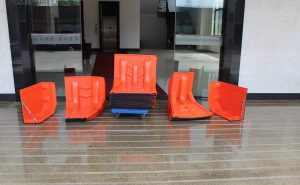
Modular Panels
Modular flood barrier panels offer strong protection and flexible setup. These panels often use metal, plastic, or composite materials. Each panel connects to others with fasteners or locking systems.
Proper cleaning is important for modular panels. Use a soft cloth and mild detergent to wipe down each surface. Rinse with clean water and dry panels completely before storage.
Inspect every panel for dents, cracks, or corrosion. Pay close attention to the edges and connection points. Damaged panels may not fit together tightly, which can cause leaks.
Check all fasteners, bolts, and locking mechanisms. Make sure nothing is missing or loose. Replace any worn or broken parts right away.
A simple inspection checklist for modular panels:
- Look for dents, cracks, or warping.
- Check for rust or corrosion.
- Test all fasteners and locks.
- Confirm all panels are dry and clean.
Store modular panels in a dry, cool place. Stack panels flat or stand them upright on padded racks. Avoid placing heavy objects on top of panels to prevent bending.
Keep panels away from direct sunlight and moisture. Use covers or tarps to protect from dust and UV rays. Good airflow in the storage area helps prevent rust and mold.
Organize panels by size and type. Label each stack or rack for quick access during emergencies. Keep all fasteners and tools in a labeled container nearby.
A table for modular panel storage tips:
| Task | Why It Matters |
|---|---|
| Stack panels properly | Prevents warping or bending |
| Use covers | Blocks dust and UV rays |
| Store off the floor | Reduces risk of corrosion |
| Label storage areas | Speeds up emergency response |
Regular maintenance checks help modular panels last longer. Inspect panels at least twice a year and after every use. Update your inventory list after each inspection.
Following these steps keeps modular flood barriers ready for fast deployment and reliable protection.
Troubleshooting Storage Issues
Mold or Odors
Mold and unpleasant odors can develop if barriers are stored damp or in humid conditions. Check for visible mold spots, especially in seams and folds. If you notice a musty smell, act quickly to prevent further damage.
To remove mold, use a mixture of water and mild detergent. Scrub the affected areas with a soft brush. Rinse thoroughly and let the barrier dry completely in a well-ventilated area.
Prevent mold by always drying barriers fully before storage. Store them in a cool, dry place with good airflow. Regular inspections help catch mold early.
Damaged Parts
Damaged parts can reduce the effectiveness of flood barriers. Look for tears, holes, broken seals, or bent frames during each inspection. Even small issues can lead to leaks during a flood.
If you find damage, use a repair kit to patch holes or replace broken fasteners. For larger problems, consider replacing the damaged section. Keep extra repair materials and spare parts in your storage area.
A simple table for common damage and solutions:
| Problem | Solution |
|---|---|
| Small tear | Patch with repair kit |
| Broken zipper | Replace zipper |
| Bent frame | Straighten or replace |
| Cracked seal | Replace seal |
Missing Components
Missing components can delay deployment and reduce protection. Check that all parts, such as fasteners, valves, and connectors, are present after each use. Use an inventory checklist to track every item.
If you discover missing pieces, order replacements right away. Store small parts in labeled containers or bags. Keep these containers with the barriers for easy access.
- Review your inventory list after every inspection.
- Label each storage bag or box with its contents.
- Train your team to report missing items immediately.
Regular troubleshooting and prompt action help maintain the reliability of your temporary flood barriers. These steps keep your flood protection system ready for any emergency.
Conclusion
Proper storage and maintenance of Temporary Flood Barriers are critical for ensuring they remain durable, reliable, and ready for rapid deployment during flood events. By following best practices—cleaning, thorough drying, careful inspection, and organized storage—you can prevent material degradation, mold, and damage. These proactive measures not only extend the lifespan of your barriers but also enhance emergency preparedness, safeguarding property and lives when floods occur. Effective storage is the cornerstone of dependable flood protection.