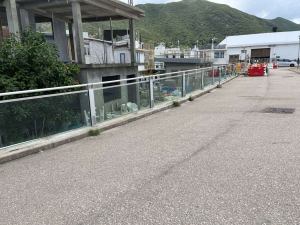
Selecting glass wall flood barriers requires careful evaluation of the property’s vulnerability to flood events. He or she should examine durability, installation method, visual appeal, and cost before making a decision.
Glass wall flood barriers offer flexible design choices, allowing customization to fit unique architectural styles. Property owners can maximize protection and enhance aesthetics with the right barrier. Consider regulatory standards and insurance conditions for full compliance.
What Are Glass Wall Flood Barriers
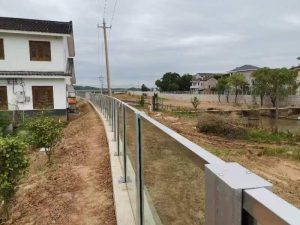
Definition and Main Uses
Glass wall flood barriers serve as transparent structures designed to prevent water intrusion during flood events. These barriers use strong, impact-resistant glass panels anchored to robust frames.
Property owners often install them in areas where both visibility and protection matter. Many commercial buildings, waterfront properties, and public spaces use glass wall flood barriers to maintain open views while ensuring safety from rising water.
The main uses include:
- Protecting entrances, windows, and open areas from flood water.
- Preserving scenic views in locations near rivers, lakes, or coastal zones.
- Enhancing the architectural appeal of modern buildings while providing a flood protection barrier.
Key Benefits and Applications
Glass wall flood barriers offer several advantages over traditional flood barriers. They combine effective flood mitigation with aesthetic value. The transparent design allows natural light to enter, which helps maintain a welcoming atmosphere inside buildings. These barriers also support community safety by reducing the risk of flood damage to critical infrastructure.
Key benefits include:
- Visibility: People can monitor water levels and outdoor conditions without obstruction.
- Durability: High-strength glass and secure frames withstand water pressure and debris impact.
- Low Maintenance: The materials resist corrosion and require minimal upkeep.
Common applications for glass wall flood barriers:
- Waterfront restaurants and hotels seeking to protect guests and property.
- Museums and galleries that need both security and visual openness.
- Public walkways and plazas where safety and scenery are both priorities.
Factors Influencing the Purchase of Glass Wall Flood Barriers
Assessment of Flood Risk and Site Conditions
Property owners must evaluate the flood risk level before selecting flood barriers. The location of the building, nearby water sources, and history of flood events all affect the need for maximum protection.
Flood-prone areas require stronger flood control solutions. Site conditions, such as soil type and elevation, also impact the effectiveness of a flood protection barrier. He or she should consider how water flows during storms and how debris might affect the barrier.
Aesthetic and Architectural Considerations
Glass wall flood barriers offer a blend of safety and style. The design must match the property’s architecture and maintain visual appeal.
Owners often choose transparent barriers to preserve scenic views and natural light. The barrier should complement the building’s exterior and not disrupt the overall look. Architects and designers can help select flood barriers that enhance both function and appearance.
| Consideration | Impact on Selection |
|---|---|
| Visual style | Matches property design |
| Transparency | Maintains open views |
| Integration | Blends with surroundings |
Types of Glass Wall Flood Barriers
Permanent vs. Demountable
Property owners can choose between permanent and demountable flood barriers. Permanent glass flood walls stay in place year-round. These structures offer continuous flood protection and require little action during a storm.
Many waterfront properties and public spaces use permanent barriers for maximum protection. The design often blends with the building, providing both safety and visual appeal.
Demountable flood barriers work differently. People install these barriers only when a flood threat appears. After the danger passes, they remove and store the panels.
Demountable systems suit locations where clear views or open access matter most during normal conditions. These barriers provide flexibility and allow for easy maintenance. Both types use strong anchoring systems to ensure stability during high water events.
Customization and Versatility
Glass wall flood barriers come in many shapes and sizes. Customization helps match the barrier to the property’s needs. Owners can select different span lengths, panel heights, and frame finishes.
Some flood wall systems use modular designs, making it easy to adjust the configuration for unique spaces. This versatility supports both new construction and retrofitting older buildings.
A table below shows common customization options:
| Feature | Customization Choices |
|---|---|
| Panel Length | Short, medium, long spans |
| Panel Height | Standard or extra-tall |
| Frame Finish | Metal, painted, or coated |
| Anchoring System | Surface or embedded anchors |
Integration with Scenic and Sensitive Areas
Many properties sit near rivers, lakes, or coastlines. These scenic locations often face high flood risk. Glass wall flood barriers allow owners to protect these areas without blocking views.
The transparent panels keep the landscape visible and maintain the natural beauty of the site. Sensitive areas, such as historic districts or wildlife habitats, also benefit from these barriers. The design minimizes visual impact and supports community goals for preservation.
Flood wall systems often use advanced anchoring and sealing methods. These features help prevent flood damage and ensure storm protection even in challenging environments.
The barriers resist water pressure and debris impact, which increases their effectiveness during severe weather. By choosing the right type and design, owners can floodproof their property while supporting both safety and aesthetics.
Flood Protection Barrier Selection Criteria
Durability and Stability
Durability stands as a primary factor when choosing a flood protection barrier. The glass panels must remain intact during severe flood events. Stability depends on the strength of the frame and the anchoring system.
A flood protection barrier with a secure base prevents movement and leakage. Tight seals, especially around sliding doors, help block water entry and maintain the effectiveness of the barrier. Engineers often test these barriers for storm protection to ensure they meet safety standards.
Aesthetics and Visibility
A flood protection barrier should blend with the property’s design. Transparent glass panels allow natural light to enter and keep outdoor views clear. He or she can select finishes and frame styles that match the building’s architecture.
Many property owners prefer flood barriers that do not obstruct scenic landscapes. The right choice maintains both safety and visual appeal. Architects often recommend designs that enhance the property’s value while providing flood mitigation.
| Feature | Benefit |
|---|---|
| Transparency | Preserves views |
| Custom finishes | Matches building style |
| Slim frames | Reduces visual clutter |
Installation and Anchoring
Proper installation ensures the flood protection barrier works as intended. Installers must follow manufacturer guidelines and local codes. Anchoring systems play a key role in stability. Surface-mounted anchors suit some locations, while embedded anchors provide extra strength for high-risk areas.
He or she should check that the barrier forms a tight seal with the ground and walls. Poor installation can reduce effectiveness and increase the risk of flood damage. Professional installation often leads to better results and longer service life.
Maintenance Needs
Maintenance keeps flood barriers in good condition. He or she should clean glass panels regularly and inspect seals for wear. Hinges, locks, and anchoring systems need periodic checks.
Some barriers require more maintenance than others, depending on the materials and design. Owners should follow a schedule for inspections and repairs. Proper maintenance helps ensure the barrier provides reliable flood protection year after year.
- Clean glass panels to remove dirt and debris.
- Inspect seals and replace damaged parts.
- Check anchoring systems for signs of corrosion.
Comparing Flood Barriers and Suppliers
Product Specifications and Features
He or she should start by reviewing the technical details of each glass wall flood barrier. Specifications include glass thickness, frame material, anchoring system, and water resistance rating. Some barriers offer extra features, such as anti-glare coatings or UV protection. Owners must check if the barrier meets local safety standards and fits the property’s needs. A table can help compare key features:
| Feature | What to Look For |
|---|---|
| Glass Thickness | Impact resistance |
| Frame Material | Corrosion resistance |
| Anchoring System | Stability during floods |
| Water Resistance Rating | Certified protection level |
| Additional Features | UV, anti-glare, custom finishes |
Supplier Reputation and Support
Choosing a reliable supplier matters as much as selecting the right product. He or she should research the supplier’s history and customer feedback.
Suppliers with strong reputations often provide better support and guidance. Owners should look for companies that offer warranties and clear installation instructions.
Good suppliers respond quickly to questions and help solve problems. Support services, such as maintenance plans and emergency assistance, add value.
- Check online reviews and testimonials.
- Ask about warranty coverage and after-sales support.
- Confirm the supplier’s experience with similar projects.
Quotes and Site Assessments
Getting accurate quotes helps owners plan their budgets. He or she should request detailed estimates that include product costs, installation fees, and any extra charges.
Site assessments allow suppliers to understand the property’s unique needs. During an assessment, experts examine flood risk, site layout, and installation challenges. Owners should compare quotes from several suppliers to find the best value.
Conclusion
Choosing the right glass wall flood barrier involves several important steps:
- Assess property flood risk and site conditions.
- Compare barrier types and features.
- Review installation and maintenance needs.
- Check compliance with local standards.