Flood Prevention Technology gives homeowners a powerful way to protect their property before water damage strikes. Many people ask, “How can these technologies safeguard my home?”
Taking action early can mean the difference between safety and costly repairs after a flood. Homeowners can find effective and easy-to-use solutions for different types of homes. New tools make it possible for everyone to feel more secure.
What Is Flood Prevention Technology?
Definition and Purpose
Flood prevention technology includes a range of methods and tools designed to reduce the risk of water damage in homes. These solutions help protect both property and infrastructure from the effects of flooding.
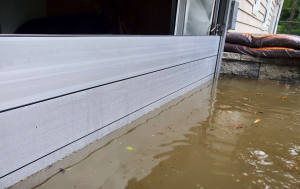
Homeowners use these technologies to keep their homes safe and dry during heavy rain or rising water levels. The main purpose of flood prevention technology in residential settings is to stop water from entering living spaces and to minimize damage if flooding does occur.
Innovative Flood Prevention Technology
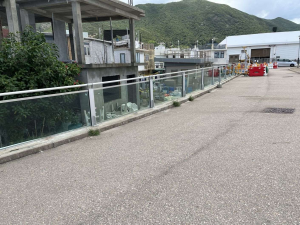
Flood prevention technology has advanced rapidly in recent years. Homeowners now have access to tools that use artificial intelligence, smart sensors, and new building concepts to protect against flood risks. These innovations offer more accurate predictions, faster responses, and better adaptation to changing environments.
Rapid-Deploy Barriers and Floating Solutions
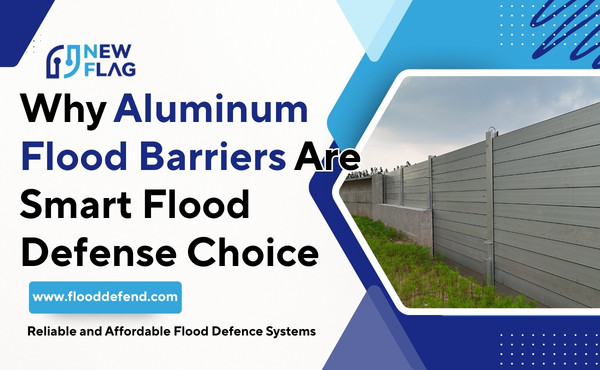
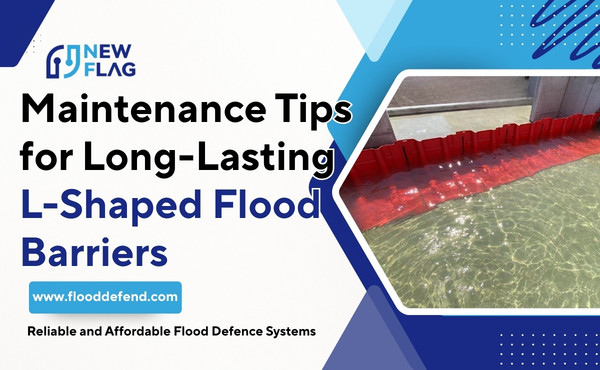
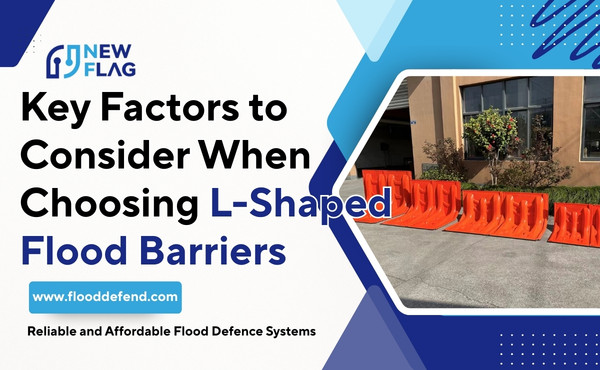
Rapid-deploy flood barriers offer a fast and effective way to protect homes during emergencies. These barriers can be installed quickly, often in less than an hour for hundreds of feet, with minimal manpower. Unlike traditional sandbags, which require many hours and more workers, rapid-deploy barriers are lightweight and adaptable to different ground conditions.
- Rapid-deploy barriers can be set up with just a few workers and basic equipment.
- They require little site preparation and can be installed on uneven terrain.
- These barriers provide immediate protection against rising water, reducing the risk of flood damage.
Floating home solutions represent another innovative approach. Instead of defending against floods, these homes adapt to changing water levels. In flood-prone regions, floating homes rise with the water and settle back when levels drop.
Improved Drainage and Sponge Cities
Improved drainage systems play a key role in urban flood prevention. Permeable pavements allow water to soak through, reducing runoff by up to 80%. Green roofs retain up to 60% of annual rainfall, acting as buffers during heavy storms. Recharge wells can lower urban flooding by 30% and increase groundwater availability by 20%.
- Cities have installed permeable pavements in flood-prone areas, leading to fewer waterlogged streets.
- Green roof programs have added hundreds of thousands of square meters of vegetated rooftops, reducing peak runoff.
- AI-driven flood monitoring in major cities has improved emergency response times and resilience.
Sponge city concepts take drainage improvements even further. These cities use natural and engineered systems to absorb, store, and reuse stormwater. The impact is measurable and significant.
| Metric | Value |
|---|---|
| Stormwater Absorption Rate | Over 650 L/hour/m² |
| Flood Incident Reduction | 60% reduction |
| Residents Protected | Nearly 500,000 |
| Economic Savings | $20–30 million annually |
| Property Value Increase | 10–15% increase |
| Water Reuse Efficiency | Up to 90% of captured stormwater |
| Carbon Sequestration | 15,000–20,000 tons of CO₂/year |
Sponge cities help protect residents, save money, and improve property values. They also support environmental goals by reusing water and capturing carbon.
Tip: Combining smart sensors, rapid-deploy barriers, and improved drainage systems can provide layered protection against flood risks.
Innovative flood prevention technology gives homeowners and communities new ways to stay safe. These solutions offer faster responses, better adaptation, and measurable benefits for people and the environment.
Choosing Effective Flood Prevention for Your Home
Assessing Flood Risk
Understanding your flood risk is the first step toward protecting your home. Homeowners can use several tools and resources to evaluate how likely their property is to experience a flood. Here are some practical steps:
- Explore the Sea Level Rise Viewer to see how rising water could affect your area.
- Review historical flood data to learn about past events in your neighborhood.
- Check your property’s topography and soil type for signs of vulnerability.
- Monitor local weather patterns for flood warnings.
- Examine your insurance policy for flood coverage.
- Seek a professional assessment for a detailed evaluation.
Many online resources can help, such as flood risk maps and personalized property reports. Local weather apps and hydrologic prediction services also provide timely alerts.
Tip: Using multiple sources gives a more complete picture of your flood risk.
Factors to Consider
Selecting the right flood prevention technology depends on several important factors. Location, budget, and home structure all play a role. The type of barrier you choose should match your needs and the expected lifespan.
| Type of Flood Barrier | Description | Lifespan |
|---|---|---|
| Permanent Flood Barriers | Engineered structures for long-term protection | Long-lasting |
| Semi-Permanent Barriers | Withstand several flood events, last up to 10 years | Up to 10 years |
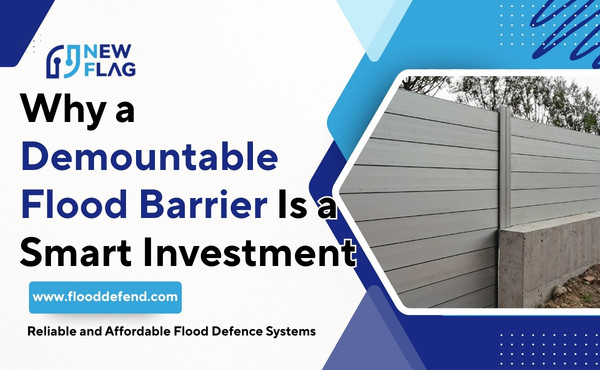
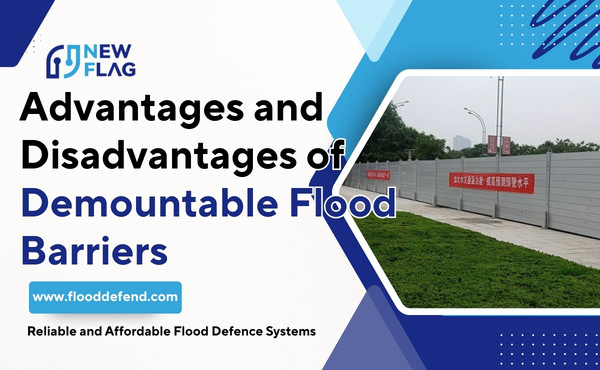
| Temporary Barriers | Affordable, easy-to-use for emergencies | Short-term use |
Other factors include the size of your property, the number of entry points, and the local climate. Homeowners should also consider maintenance needs and installation costs.
Matching Solutions to Needs
Effective flood prevention requires matching solutions to your unique property. On-site assessments help identify at-risk areas. Custom product design ensures that barriers fit your home’s layout.
Proper installation and regular maintenance keep systems working when needed.
| Aspect | Description |
|---|---|
| On-Site Assessments | Evaluate building layout and risk points |
| Product Design & Engineering | Custom solutions for property and flood risk |
| Installation & Deployment | Install and deploy protection products |
| Training & Maintenance | Ongoing support for effective use |
Many homes benefit from a combination of solutions. Professional guidance can help you choose the best options for your situation.
Steps for Flood Prevention Implementation
Installation and Maintenance
Effective flood prevention begins with a clear plan for installing and maintaining flood control systems. Homeowners should follow a series of steps to ensure their property remains protected. First, assess flood risk areas by identifying entry points where water could enter.
Next, select the right flood control barrier for each vulnerable spot. Measure and prepare the installation sites, making sure to clean and remove any obstructions. Install the chosen flood control systems according to the manufacturer’s guidelines.
After installation, test the barriers for leaks and make adjustments as needed.
Regular maintenance keeps flood prevention measures working at their best. Annual inspections and cleaning help identify potential issues before they become serious. Quarterly visual checks allow homeowners to spot visible problems early. Technology such as CCTV and drones can assist with deeper inspections, especially after storms. Storm drain cleaning should be scheduled regularly to remove debris and maintain optimal performance of flood control systems.
Tip: Consistent maintenance of flood control systems increases their reliability and extends their lifespan.
When to Consult Professionals
Some flood prevention tasks require expert knowledge. Homeowners should consult professionals when tailored solutions are needed for unique property layouts. Experts provide customized assessments and strategies that match specific flood control needs.
Professional installation ensures compliance with local regulations and building codes, which is important for safety and insurance purposes. Investing in expert services can save significant costs related to flood damage and increase property value.
Flood control professionals have access to advanced tools and collaborate with specialists to design effective flood control systems. Their expertise brings peace of mind to property owners in flood-prone areas.
Real-Life Flood Prevention Success
Homeowner Stories
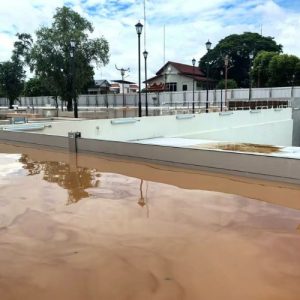
Many homeowners have experienced the benefits of flood protection strategies firsthand. Technology and preventative maintenance can stop most home floods or prevent them altogether, enhancing safety and security.
People often share how real-time monitoring and automated flood defence systems have changed their lives.
These stories highlight how flood defence and real-time monitoring provide reassurance. Homeowners feel confident that their flood protection strategies will work, even when they are not at home.
Demonstrated Effectiveness
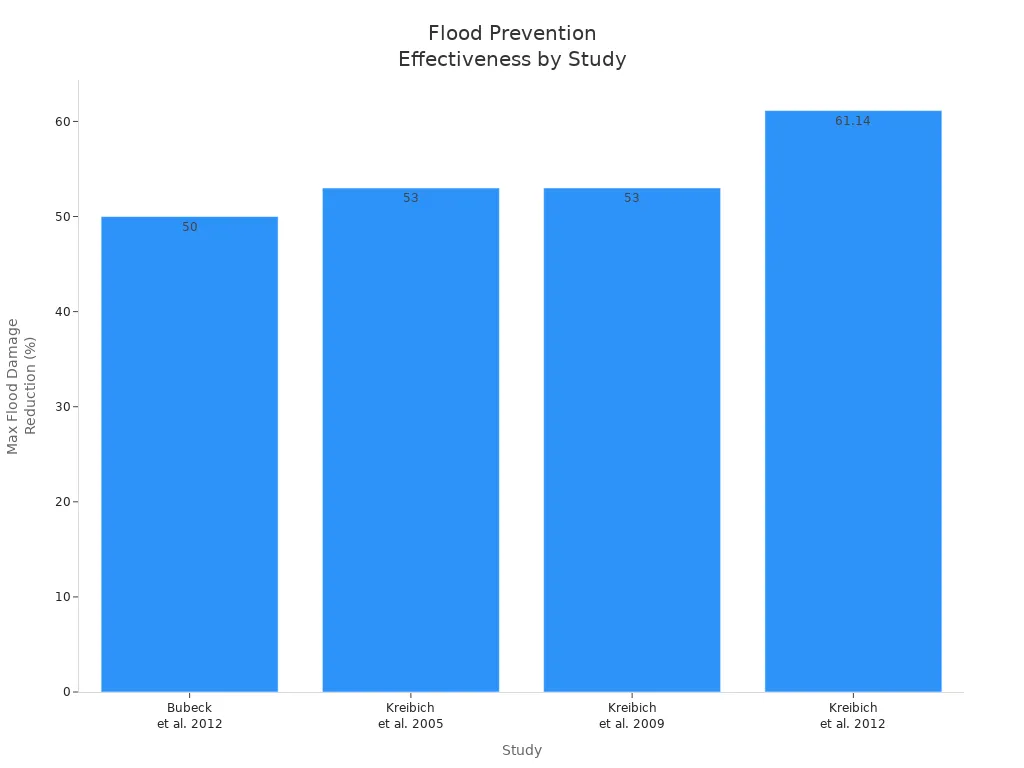
Flood defence technology has proven its value in many studies and real-world cases. Research shows that flood protection strategies can reduce damage by up to 50%. The table below summarizes findings from several studies:
| Study | Year | Flood Damage Reduction (%) | Description |
|---|---|---|---|
| Bubeck et al. | 2012 | Up to 50 | Flood preparedness measures during Rhine floods |
| Kreibich et al. | 2005 | 46-53 | Flood adaptation for buildings |
| Kreibich et al. | 2009 | 48-53 | Flood adaptation for home contents |
| Kreibich et al. | 2011 | 5.61-539.96 | Cost-effectiveness of securing oil tanks |
| Kreibich et al. | 2012 | 1.12-61.14 | Cost-effectiveness of installing water barriers |
In Japan, a special emergency program led to a dramatic drop in flooded homes. After new flood defence measures were installed, the number of inundated houses along the Tsubo River fell from 360 in 2018 to none in 2023.
These results show that flood protection strategies and coastal defence systems can make a real difference.
Conclusion
Homeowners should assess their flood risk, maintain drainage systems, and consider investment in flood prevention.
Modern flood defence infrastructure, including tidal lagoon and coastal protection projects, increases safety and peace of mind. Explore available solutions to safeguard your home.