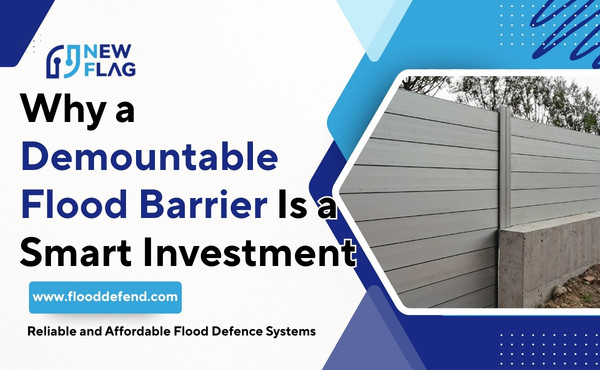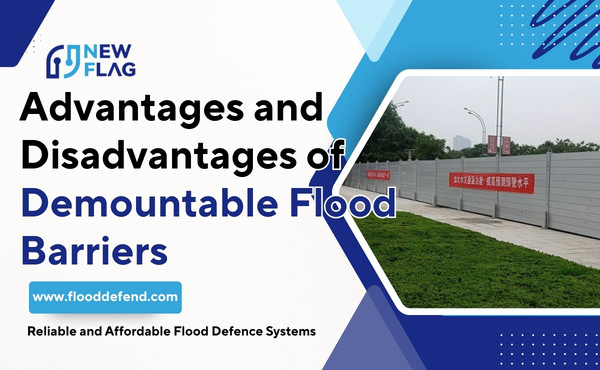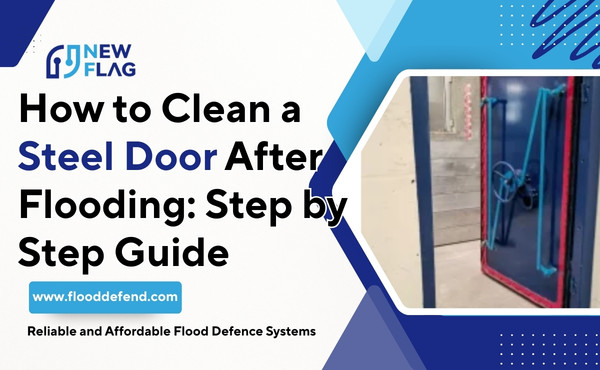
Flooding is becoming more frequent and costly, making reliable protection a priority for homes and businesses. A Demountable Flood Barrier offers a flexible, reusable solution that helps prevent water intrusion while avoiding permanent structural changes. By combining durability with quick deployment, it provides long-term value and peace of mind. Understanding why this system is a smart investment can help property owners strengthen their flood preparedness and reduce potential losses.

Increasing Flood Threats
Climate Change Impact
Climate change drives more frequent and intense storms. Heavy rainfall increases the risk of flood events in many regions.
The economic impact of flooding grows as climate change worsens. Communities face higher repair costs and lost productivity.
Flood barriers help reduce these risks and protect investments.
Urbanization Effects
Cities expand rapidly. More buildings and paved surfaces limit natural drainage.
Floodwater cannot soak into the ground, so it flows quickly into streets and homes.
The economic impact of flooding becomes more severe in urban areas. Businesses close, and families lose income.
Flood barriers offer a practical solution. They shield homes and businesses from rising water and minimize disruption.
Infrastructure Challenges
Many cities rely on aging infrastructure. Old drainage systems cannot handle heavy rainfall.
Flood overwhelms these systems, causing widespread damage.
The economic impact of flooding strains local budgets. Repairs and emergency response cost millions.
Flood barriers provide reliable defense. They work alongside existing infrastructure to keep communities safe.
Economic Impact of Floods
Property Damage
Floods destroy homes, vehicles, and personal belongings. Water seeps into walls and floors, causing mold and structural issues. Repairs often cost thousands of dollars and take weeks or months to complete.
Business Disruption
Flooding forces businesses to close their doors. Inventory gets ruined, and equipment stops working. Employees cannot work, and customers stay away.
Lost revenue hurts local economies.
Small businesses struggle to recover from even a short closure.
Flood barriers keep operations running and reduce downtime.
Key impacts of business disruption:
- Lost sales and income
- Damaged assets and inventory
- Increased repair and cleaning costs
Insurance Gaps
Many insurance policies exclude flood damage. Homeowners and business owners often discover this too late.
Special flood insurance can be expensive and hard to obtain.
| Insurance Coverage | Flood Damage Included? | Cost |
|---|---|---|
| Standard Home | No | $ |
| Flood Insurance | Yes | $$$ |
| Business Policy | Sometimes | $$ |
Flood barriers fill the gaps left by insurance.
They provide reliable protection when policies fall short.
Emotional Toll
Floods do more than damage buildings and belongings. They leave a lasting mark on people’s lives. The emotional toll can be overwhelming.
Stress rises quickly during a flood. People worry about their safety and the safety of loved ones. Children may feel scared or confused. Adults often struggle to stay calm and make decisions under pressure.
After the flood, the emotional strain continues. Cleaning up takes time and energy. Many people feel exhausted and frustrated. Some lose treasured items that cannot be replaced. Memories tied to photos, keepsakes, and family heirlooms disappear in an instant.
Common emotional effects of flooding:
- Anxiety about future storms
- Sleepless nights and nightmares
- Feelings of loss and sadness
- Anger or frustration with the situation
- Difficulty focusing at work or school
Neighbors and communities also feel the impact. Floods can separate families and friends. People may need to leave their homes for days or weeks. The sense of security in the neighborhood disappears.
Flood barriers offer more than physical protection. They give peace of mind. Knowing your home or business is defended helps reduce anxiety. You can focus on daily life instead of worrying about the next storm.
Investing in flood barriers means investing in your well-being. You protect not just your property, but also your mental health. The confidence that comes from being prepared is priceless.
A flood can strike at any time. The emotional cost is real and lasting. Take action now to shield yourself and your loved ones from the hidden damage floods can cause.
Flood Barriers Benefits
Reliable Protection
Flood control barriers offer dependable defense against rising water. These barriers stand strong during storms and heavy rainfall. Home flood barriers create a physical shield that keeps water out and protects your property.
Flood control barriers work quickly and consistently. They do not break down like sandbags or temporary fixes. When you invest in flood protection, you gain peace of mind knowing your home or business is safe.
Flood barriers perform well in many situations. They help prevent water from entering buildings, garages, and basements. Reliable protection means fewer worries when the forecast calls for rain.
Cost Savings
Flood control barriers save money over time. Repairs after a flood can cost thousands of dollars. Flood protection measures help you avoid these expenses by stopping water before it causes damage.
Many people think flood control barriers are expensive. In reality, they pay for themselves after just one major storm. You spend less on repairs, cleanup, and lost belongings.
Flood control barriers also reduce the need for emergency services. This saves money for both homeowners and local governments. When you invest in flood protection, you make a smart financial choice.
Property Value Boost
Home flood barriers increase the value of your property. Buyers look for homes with strong flood protection measures. They want to feel safe and secure in their investment.
Flood control barriers show that you care about your property. They make your home or business more attractive to buyers and renters. This can lead to higher offers and faster sales.
Flood barriers also support the economic stability of communities. When more people invest in flood protection, neighborhoods become safer and more desirable. Property values rise, and everyone benefits.
Insurance Savings
Flood insurance can be expensive and hard to get. Many policies do not cover all types of flood damage. Homeowners and business owners often face high premiums or large deductibles.
Flood barriers help lower your risk of flood damage. Insurance companies may offer discounts when you install strong flood protection. You can save money every year by reducing your insurance costs.
Lower risk means fewer claims and less worry about rising premiums. Over time, these savings add up. Flood barriers protect your finances as well as your property.
Community Safety
Flood barriers do more than protect one home or business. They help keep entire neighborhoods safe. When many people invest in flood protection, the whole community benefits.
Flood barriers reduce the spread of water during storms. Streets stay open, and emergency services can reach those in need. Schools, hospitals, and local shops can keep running.
A safer community attracts new residents and businesses. People feel confident living and working in a place with strong flood protection. Investing in flood barriers builds a stronger, more resilient community for everyone.
Flood Barriers vs. Traditional Methods
Sandbags Limitations
Sandbags have been used for decades as a quick fix against flooding. Many people believe they offer strong protection, but the reality is different. Sandbags often fail to keep water out, especially during heavy storms.
Water can seep through gaps between sandbags. Over time, the bags break down and lose their shape. This leads to leaks and weak spots in your flood defense.
Sandbags are heavy and hard to move. One person cannot set up enough sandbags to protect a home or business. It takes a team and many hours to build a barrier.
Sandbags also require constant monitoring. You must check for shifting or collapsing bags during a storm. This adds stress and takes time away from other important tasks.
Speed and Efficiency
Flood barriers offer a faster and more efficient solution. You can deploy modern barriers in minutes, not hours. This speed is critical when a storm approaches without warning.
Traditional sandbags require filling, stacking, and arranging. This process is slow and labor-intensive. Flood barriers use lightweight materials and simple designs for quick setup.
A single person can install many flood barriers alone. This saves time and reduces the need for extra help. Businesses and homeowners can act quickly to protect their property.
| Method | Setup Time | Labor Needed | Protection Level |
|---|---|---|---|
| Sandbags | Hours | High | Moderate |
| Flood Barriers | Minutes | Low | High |
Flood barriers also allow for easy adjustments. You can add or remove sections as needed. This flexibility gives you control during changing weather conditions.
Reusability
Sandbags are single-use. After one flood, you must throw them away. This creates waste and adds to cleanup costs.
Flood barriers are reusable. You can clean and store them after each use. This makes them a smart investment for long-term protection.
You do not need to buy new barriers for every storm. This reliability means you are always ready for the next flood. Reusable barriers also help communities prepare for repeated weather events.
Flood barriers provide lasting value. They protect your property again and again, making them a better choice than traditional sandbags.
Environmental Impact
Flood protection methods affect the environment in different ways. Sandbags create waste and pollution after each flood. Modern flood barriers offer a cleaner, greener solution.
Sandbags use large amounts of sand and plastic. Workers fill thousands of bags for every storm. After the flood, most sandbags end up in landfills. They often contain chemicals, sewage, or oil from floodwater. This contamination harms soil and water.
Flood barriers use durable materials. You can clean and reuse them many times. This reduces waste and lowers the need for new resources. Flood barriers help protect the environment while defending your property.
Sandbags require heavy trucks to deliver sand and bags. These vehicles burn fuel and release carbon emissions. The process increases air pollution and damages roads. Flood barriers are lightweight and easy to transport. You can carry them by hand or use small vehicles.
Flood barriers also save energy. You set them up quickly without machines or extra labor. Sandbags need hours of work and many people. Flood barriers help you act fast and reduce your carbon footprint.
| Method | Waste Produced | Reusability | Pollution Risk |
|---|---|---|---|
| Sandbags | High | Low | High |
| Flood Barriers | Low | High | Low |
Flood barriers protect wildlife and natural habitats. Sandbags can block streams and harm plants. Flood barriers fit around buildings and leave nature untouched. You help keep local ecosystems healthy.
Flood barriers support sustainable living. You invest in a product that lasts for years. You avoid single-use items and reduce your impact on the planet. Every choice matters when it comes to protecting the environment.
Floods threaten homes, businesses, and nature. Sandbags create waste and pollution. Flood barriers provide reliable defense and support environmental health. Choose flood barriers to protect what matters most.
Investing in Flood Defence
Proactive Protection
Investing in flood defence is a smart move for any property owner. Floods are happening more often and with greater force. Waiting until disaster strikes can lead to bigger losses and higher costs.
Proactive flood protection gives you control over your safety. You do not have to rely on last-minute solutions or hope for government help. Taking action now means you are ready before the next storm hits.
Urgency and Timing
Floods can happen with little warning. Weather patterns are changing, and storms are becoming less predictable. Many communities have limited resources for disaster response.
Acting quickly is important. Delaying your decision can leave your property exposed. Investing in flood defence now helps you avoid the rush when supplies run low or prices rise.
Flood mitigation strategies work best when installed before a flood. You cannot always count on outside help during emergencies. Protecting your home or business is your responsibility.
Practical Steps
You can start investing in flood defence with a few simple steps:
- Assess your risk. Check flood maps and local history to see if your area is at risk.
- Inspect your property. Look for weak spots where water could enter.
- Research flood barriers. Choose products that fit your needs and budget.
- Create a flood preparedness plan. Make sure everyone in your home or business knows what to do.
- Install barriers before the rainy season. Test them to make sure they work.
- Review your insurance. Ask about discounts for proactive protection.
Businesses should train staff on emergency procedures. Homeowners can join community groups focused on flood safety. Sharing information helps everyone stay prepared.
A table can help you track your progress:
| Step | Completed? | Notes |
|---|---|---|
| Risk Assessment | ||
| Property Inspection | ||
| Barrier Selection | ||
| Preparedness Plan | ||
| Barrier Installation | ||
| Insurance Review |
Investing in flood defence is not just about money. It is about peace of mind and protecting what matters most. Take action today and stay ahead of the next flood.
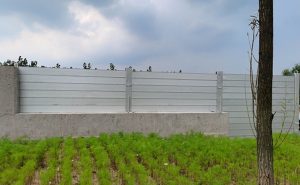
Flood Protection ROI
Benefit-Cost Ratios
Flood barriers deliver strong returns on investment. Studies show that every dollar spent on flood protection can save several dollars in future repairs. Many experts use cost-benefit analysis to measure the value of flood barriers. This method compares the upfront cost of barriers to the money saved by avoiding flood damage.
A typical benefit-cost ratio for flood barriers ranges from 4:1 to 7:1. This means you could save four to seven dollars for every dollar you invest. These savings come from reduced repair bills, lower insurance claims, and fewer business interruptions.
Long-Term Savings
Flood barriers protect your property year after year. You pay once for installation, but the benefits last for many seasons. Each time a storm hits, your barriers stand ready to defend your home or business.
You avoid costly repairs and cleanup after every flood. Insurance premiums may drop because your risk is lower. Over time, these savings add up and can even exceed your initial investment.
Key long-term savings:
- Fewer repair bills
- Lower insurance costs
- Less lost income from business closures
Flood barriers also help you avoid hidden costs. You spend less on temporary fixes and emergency supplies. You keep your property value high by preventing water damage.
Real-World Examples
Many communities have seen the benefits of flood barriers firsthand. In one coastal town, property owners installed barriers before a major storm. When the floodwaters rose, homes with barriers stayed dry. Neighbors without barriers faced thousands of dollars in damage.
A small business district used portable flood barriers during a flash flood. Shops remained open while others nearby closed for weeks. Owners reported that the barriers paid for themselves after just one event.
| Scenario | With Barriers | Without Barriers |
|---|---|---|
| Home Repair Costs | Minimal | $10,000+ |
| Business Downtime | 0-1 day | 7+ days |
| Insurance Premiums | Lowered | Increased |
Flood barriers are a wise investment. They offer proven returns, long-term savings, and real protection when it matters most.
Conclusion
Rising flood risks, costly property damage, and operational disruptions make proactive protection essential. This article shows how a Demountable Flood Barrier delivers reliable defense, long-term cost savings, and greater resilience compared with temporary methods. By reducing repair expenses, minimizing downtime, and supporting property value, it offers clear financial and practical advantages. Investing in effective flood protection today is a strategic decision that safeguards assets, operations, and peace of mind for the future.