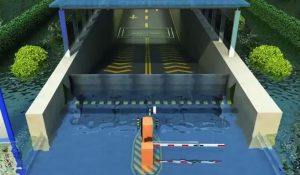
Automatic flood defense systems offer fast action and strong reliability when facing rising water. These systems stand out among flood protection measures because they operate with little human involvement.
Many people see automatic flood defense systems as a smart choice for areas that need constant protection. However, automatic flood defense systems can cost a lot at first and may need regular checks. Some automatic flood defense systems also depend on technology that can fail. When choosing flood protection measures, people should weigh these pros and cons.
Pros of Automatic Flood Defense Systems
Rapid Response and Efficiency
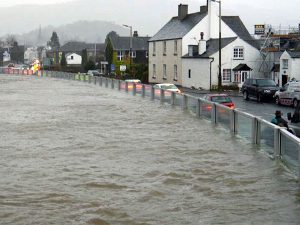
Automatic flood barriers respond quickly when water levels rise. These barriers use automatic deployment to block water before it causes damage. Many automatic flood barriers feature self-closing flood barriers that lift or slide into place without delay. This fast action protects buildings and infrastructure during emergencies.
Real-time monitoring systems detect changes in water levels and activate the barriers immediately. People do not need to wait for manual labor or emergency crews. This rapid response makes automatic flood barriers a reliable choice for flood protection measures.
Tip: Fast-acting flood defense devices can reduce property damage and lower insurance costs.
Reduced Human Intervention
Unlike traditional flood walls, automatic flood barriers require little human involvement. These systems operate with sensors and real-time monitoring systems that track water levels day and night. Workers do not need to be present to set up or activate the barriers.
This feature makes automatic flood barriers ideal for unmanned or industrial sites. Many automated flood protection systems can function even during power outages, using passive or mechanical triggers. This reduces the risk of human error and ensures that flood protection measures stay in place when needed most.
- Key Advantages:
- Less need for emergency staff
- Lower risk of injury during floods
- Reliable operation in remote areas
Continuous Monitoring and Early Warning
Real-time monitoring systems play a major role in automatic flood barriers. These systems check water levels and weather conditions around the clock. When sensors detect a threat, they send alerts and activate the barriers.
This early warning gives people more time to prepare and evacuate if needed. Continuous monitoring also helps city planners and property owners track flood risks over time. Automatic flood barriers with real-time monitoring systems offer a higher level of safety compared to manual solutions.
| Feature | Manual Barriers | Automatic Flood Barriers |
|---|---|---|
| 24/7 Monitoring | No | Yes |
| Early Warning Alerts | Rare | Common |
| Response Time | Slow | Fast |
Cost Savings Over Time
Automatic flood barriers often cost more at first, but they can save money in the long run. These barriers need less maintenance and fewer repairs than manual systems. Many designs use passive or self-closing features that do not rely on electricity or complex parts.
This reduces ongoing costs and lowers the chance of breakdowns. Over time, automatic flood barriers help prevent expensive flood damage and reduce insurance premiums. Property owners and cities see value in investing in these advanced flood defense devices.
Note: Automatic flood barriers can protect assets for many years with minimal upkeep.
Cons of Automatic Flood Defense Systems
High Initial and Maintenance Costs
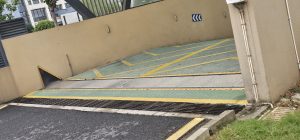
Automatic flood defense mechanisms often require a large investment at the start. Many property owners find the price of installation higher than traditional barriers. Engineers must design these systems to fit specific sites, which can increase costs. Maintenance also adds to the expense.
Regular inspections and repairs keep the systems working, but these tasks need skilled workers and special tools. Over time, the total cost may surprise some users. For small communities or private owners, these expenses can limit access to advanced flood barrier systems.
Note: Budget planning should include both the purchase price and ongoing maintenance fees.
Technical and Reliability Concerns
Flood defense mechanisms rely on complex technology. Sensors, control panels, and moving parts must work together without fail. Sometimes, technical problems stop the system from working during a flood.
For example, sensors in flood detection systems may give false readings or fail to detect rising water.
Mechanical parts can jam or wear out. If a system fails, water can enter buildings before anyone notices. Regular testing helps, but no system is perfect. Some users worry about trusting machines with such an important job.
- Common technical issues:
- Sensor errors in flood detection systems
- Mechanical failure of moving barriers
- Software glitches in control units
Dependence on Technology and Power
Many automatic flood defense mechanisms depend on electricity and advanced technology. Power outages during storms can stop the system from working. Backup batteries or manual overrides help, but not every site has these features.
Some systems use passive triggers, but most need sensors and controls to activate. If the technology fails, people may not have enough time to react. This dependence can create risks in areas with unstable power or limited technical support.
Tip: Always check if a backup system exists before choosing an automatic flood barrier.
Limited Flexibility
Automatic flood defense mechanisms often fit one location or type of flood risk. Changing the system for new threats or different sites can be hard. Some barriers need special foundations or must connect to existing walls and drains. This limits where people can use them.
In older neighborhoods or places with unique layouts, installation may not work at all. Flood barrier systems sometimes struggle to adapt to changing weather patterns or new building projects. Manual barriers offer more flexibility, but automatic systems trade this for speed and convenience.
| Limitation | Automatic Systems | Manual Barriers |
|---|---|---|
| Easy to Relocate | No | Yes |
| Customization | Limited | High |
| Integration with Old Sites | Difficult | Easier |
Alert: Always review site conditions and future needs before installing automatic flood defense mechanisms.
Key Considerations for Automatic Flood Barriers
Suitability for Different Environments
Automatic flood barriers work best in certain locations. Urban areas with frequent flooding often benefit from these systems. Industrial sites and critical infrastructure also see strong results. Rural areas with limited access to emergency services may find automatic barriers helpful.
However, not every environment supports these systems. Some locations have uneven ground or unique layouts that make installation difficult. Flood risk management experts recommend a site assessment before choosing a system.
Tip: Always check local flood patterns and land features before installing automatic barriers.
Integration with Infrastructure
Successful flood mitigation solutions depend on how well barriers fit with existing structures. Automatic barriers often need to connect to walls, roads, or drainage systems. Engineers must plan for these connections during installation.
Older buildings or historic sites may require special adjustments. Some barriers need extra space for moving parts. Others must link to power supplies or monitoring equipment. A good fit ensures the system works when needed.
| Integration Factor | Consideration |
|---|---|
| Space Requirements | Enough room for deployment |
| Power Supply | Reliable backup options |
| Structural Connection | Secure attachment points |
Community Impact
Automatic flood barriers can change how a community responds to floods. These systems often reduce the need for emergency workers during storms. Residents may feel safer knowing barriers activate on their own. However, installation can disrupt daily life.
Construction may block roads or limit access to buildings. Some people worry about the look of barriers in public spaces. Community leaders should talk with residents before starting a project. Open communication helps everyone understand the benefits and challenges.
Note: Community support increases the success of any flood mitigation solutions.
Conclusion
Automatic flood defense systems offer fast response, less need for people, and long-term savings. High costs and technical risks remain concerns. These systems work best in places with frequent floods or where quick action matters most.
- Best for: Urban areas, industrial sites, and places with limited staff
- Consider: Local risks, site layout, and budget
Tip: Each community should review its own needs before choosing a flood barrier system.