
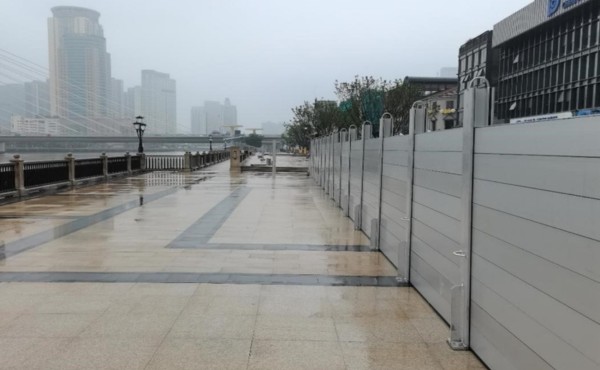
Hotels need flood barriers that protect vulnerable openings without creating avoidable problems for guests, staff, deliveries, or emergency access. The right approach depends on where water can enter, which routes must remain available, how much warning time the property can expect, and who will act. Flood barriers can reduce water entry at selected openings, but they are only one part of hotel flood readiness, which also includes drainage, building systems, evacuation procedures, staff training, and guest communication.
Hotel Flood Risk Beyond the Main Entrance
The lobby entrance is visible, but it may not be the hotel’s only or most critical flood exposure. Water can approach through basement ramps, service doors, loading areas, parking entrances, pool or plant spaces, low-level windows, and underground access points. A property with several lower-level openings may need protection at multiple locations and a plan for water that enters through drainage systems.
Flood sources also differ. Coastal surge, river flooding, intense rainfall, surface runoff, and drainage backflow do not behave the same way. A barrier selected for one opening and one type of water exposure may not suit a different location. The site assessment should use available flood information, previous incidents, building plans, drainage records, and observations of how water moves around the property.
Hotels also operate around the clock. Staff may be able to respond at any hour, but responsibilities can shift between departments and overnight teams. A flood plan that relies on one facilities manager or assumes the same staffing level at all times is difficult to execute reliably.
Map Guest, Staff, Service, and Emergency Access
Begin by mapping the property’s openings and routes. Include the public entrance, side doors, accessible entrances, staff entrances, loading docks, parking ramps, basement stairwells, utility rooms, and fire or service access. For each location, note the normal use, the likely direction of water approach, the space behind it, and the consequences of restricting it.
Separate routes that can be temporarily closed from those that must remain available for safe movement. Consider guest arrival and departure, luggage handling, accessible circulation, deliveries, housekeeping, kitchen and laundry operations, and emergency response. A barrier across a service entrance may disrupt deliveries; one across an exit could create a life-safety concern.
For each opening, record:
- The expected flood pathway and exposed assets
- The access function during normal operations
- Whether the opening is part of an exit or accessible route
- The proposed barrier and required installation conditions
- The person or team responsible for deployment
- The alternate route and communication steps
This opening-level review helps operators compare flood exposure with operational importance. It also prevents a plan that focuses on the hotel’s most prominent doorway while overlooking basement access, service areas, or other vulnerable openings.
Compare Hotel Flood Barrier Approaches
A hotel may use removable panels, permanent barriers, passive systems, or a combination, depending on site conditions and operating priorities. Each approach has different implications for daily access, staffing, installation, and maintenance.
| Barrier approach | Typical access impact | Operational consideration |
|---|---|---|
| Removable panels | Openings remain unobstructed when panels are stored | Requires warning time, trained staff, accessible storage, and correct installation |
| Permanent barrier or raised threshold | May change the opening or circulation continuously | Needs early design review and must be compatible with building use and accessibility |
| Passive or automatic system | Can reduce the need for manual deployment at selected locations | Requires site-specific engineering, maintenance, and confirmation of operating conditions |
| Temporary water-filled or modular barrier | Can be positioned for selected events or locations | Requires storage, setup time, space, and a suitable surface and layout |
This comparison is a starting point, not a product specification. The barrier must suit the opening width, expected water level and loading, floor and wall conditions, seal arrangement, and water approach. A removable panel only performs as intended when its seals compress against suitable surfaces and its anchors or tracks are installed as designed. Public flood guidance recommends professional review of the structure and the forces it may need to resist.
For hotels, the decision often comes down to how much access can be restricted and how much advance action is dependable. A frequently used lobby entrance may need a different solution from a basement plant-room door. A hotel case study describes a property with numerous lower-level access points and drainage complexity, where the protection system combined barriers with pumping equipment while maintaining operational access. This illustrates the value of assessing the building as a system rather than selecting a single entrance product.
Protect Egress and Keep Operations Coordinated
Flood readiness must not compromise safe egress. Before installing or deploying any barrier, identify required exits, accessible routes, and routes used by emergency responders. The hotel’s life-safety and emergency plans should define which doors can be restricted, who can authorize a change, and what alternate routes will be used.
If a barrier changes guest circulation, staff need a clear procedure for directing people to another entrance. Consider temporary signs, front-desk scripts, accessible alternatives, and coordination with security and facilities teams. If guests are already inside the building, the response may involve more than redirecting arrivals; it may require moving people away from lower levels or affected facilities.
The plan should assign distinct responsibilities. Facilities teams may inspect or deploy barriers; security may control routes; the front desk may communicate with guests; engineering staff may monitor pumps and building systems; managers may make operational decisions. A clear chain of responsibility prevents conflicting instructions during a fast-moving event.
If water levels or weather conditions make deployment unsafe, staff should not be expected to install barriers at personal risk. The hotel’s emergency response plan should specify when to stop property-protection actions and prioritize evacuation or shelter procedures.

Plan Deployment, Alerts, and Guest Communication
Set clear triggers for activating the flood plan. These may use official warnings, site monitoring, drainage conditions, or other locally appropriate information. Identify who monitors alerts during overnight shifts and when key decision-makers must be notified. Hospitality flood-preparedness guidance emphasizes early warnings, staff procedures, evacuation planning, and communication with guests and employees.
For every deployable barrier, make the installation process easy to follow. Label panels by opening, keep components together, store equipment where responders can reach it safely, and provide concise instructions with photographs. Assign backup personnel and test deployment before the property needs the system. A barrier in a locked room or one missing a fitting does not provide useful protection.
Guest communication should be prepared in advance. Staff may need to explain a closed entrance, altered parking access, delayed services, or the relocation of guests from lower floors. Messages should be factual, timely, and consistent across reception, security, management, and any guest communication channels in use.
Operational decisions may also include pausing arrivals, moving vehicles, relocating equipment or supplies, changing reservations, or temporarily closing affected facilities. These actions should be linked to the flood plan rather than improvised after water reaches the property. They do not replace emergency instructions from local authorities.
Integrate Barriers with Drainage and Building Systems
Water can bypass an entrance barrier through drains, service penetrations, basement walls, or another unprotected opening. It can also collect on the protected side or place pressure on nearby building elements. Review barriers alongside drainage, sump pumps, backflow protection, electrical systems, and mechanical equipment. Commercial-property guidance advises evaluating barriers in relation to pumps, drainage, and backflow risk rather than treating them as isolated devices.
Hotels should identify critical systems located below grade or near likely water pathways, including electrical distribution, generators, boilers, elevators, communications, and pumps. Qualified professionals can assess whether system protection, equipment relocation, backup power, or drainage changes are appropriate for the building and local requirements.
A barrier should not be installed in a way that blocks drainage needed for normal operation or creates a new hazard. Check the intended location, surface, anchoring, water pressure assumptions, and any drainage features with the system designer or relevant building professionals.
Inspect and Review Hotel Flood Readiness
Inspect barriers, seals, tracks, anchors, pumps, and storage locations before periods of elevated risk and after each use. Follow the product’s maintenance instructions and keep records of inspections, repairs, and deployment practice. Public flood guidance recommends checking barrier fit and seals and reviewing installation procedures; these checks are especially useful where staff responsibilities rotate.
After an event or drill, review what happened. Record water entry points, deployment time, access changes, communication problems, equipment failures, and any guest or staff safety concerns. Update building maps, staff lists, route instructions, and storage arrangements when renovations or operational changes affect the site.
A flood barrier is ready only when the system, people, and procedures are ready together. Regular practice helps reveal whether the hotel can install the equipment, keep essential routes available, communicate clearly, and shift to life-safety actions when conditions change.
Frequently Asked Questions
Should hotels use removable or automatic flood barriers?
Neither option is right for every hotel. Removable barriers can preserve normal access but depend on warning time, trained staff, and accessible storage. Passive or automatic systems may reduce manual response at selected openings but require site-specific design and maintenance. Compare each option against the opening, flood exposure, and hotel operations.
Can a flood barrier protect a hotel basement?
A barrier can reduce water entry through a specific basement opening, such as a ramp or doorway. It cannot by itself address water entering through drains, walls, other openings, or groundwater. Basement protection should be assessed as a system that may include drainage, pumps, backflow measures, and protection of critical equipment.
How can hotels protect guests while barriers are deployed?
Identify alternate entrances and accessible routes before an event, assign staff to guide guests, and prepare clear messages for changes to arrival, parking, and facility access. Keep evacuation and emergency procedures in control of the response; barrier deployment must not delay moving people to safety.
Do hotel flood barriers require regular maintenance?
Yes. Follow the manufacturer’s instructions and inspect seals, panels, anchors, tracks, and associated drainage or pump equipment. Practice deployment and keep a record of inspections and repairs, particularly when several departments share responsibility.
Conclusion
Hotel flood barriers need to balance water protection with guest access, safe egress, and continuous operations. A practical plan maps every vulnerable opening, matches the barrier to the site conditions, assigns deployment and communication roles, and coordinates the system with drainage and building services. Regular inspection and practice help hotels act earlier and make safer decisions when flooding threatens.