Flood barrier materials like aluminum, high-strength plastics, and concrete offer reliable protection against flood. These options resist water damage, seal gaps, and withstand harsh weather. Choosing the right material depends on its durability, sealing ability, and resistance to environmental factors during flood events.
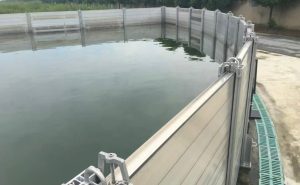
Best Flood Barrier Materials
Top Material Types
Flood barriers come in many forms. The most common flood barrier materials include aluminum, glass, high-strength plastics, rubber, composites, sand, concrete, and gravel. Each material serves a different purpose in flood protection.
- Aluminum: Lightweight and strong, often used for permanent flood barriers and floodgates.
- Glass: Used in modern flood barriers for visibility and aesthetics, but less common for heavy flood protection.
- High-Strength Plastics: Popular for temporary flood barriers due to quick deployment and flexibility.
- Rubber: Used in inflatable barriers and seals, offering good sealing ability.
- Composites: Combine materials for improved strength and resistance.
- Sand: Traditional choice for temporary flood barriers, like sandbags.
- Concrete: Used in permanent flood barriers and flood control systems for maximum strength.
- Gravel: Sometimes used with sandbags or as part of a flood prevention system.
Pros and Cons Overview
Each flood barrier material has unique advantages and disadvantages. The table below compares the most important features for flood protection.
| Material | Pros | Cons |
|---|---|---|
| Aluminum | Rust-resistant, durable, lightweight | Can be costly, needs proper sealing |
| Glass | Aesthetic, allows light | Fragile, less impact resistance |
| High-Strength Plastics | Lightweight, quick deployment, UV resistant | May degrade over time, less strong than metal |
| Rubber | Flexible, excellent sealing | Can wear out, not for permanent use |
| Composites | Strong, corrosion-resistant | Expensive, complex installation |
| Sand | Cheap, easy to use | Heavy, not reusable, limited sealing |
| Concrete | Extremely strong, permanent | Heavy, hard to install, can crack |
| Gravel | Readily available, low cost | Poor sealing, not for major floods |
Safety and Durability Factors
Flood barriers must withstand water pressure, resist corrosion, and provide a tight seal. Aluminum and composites offer excellent resistance to rust and corrosion, making them ideal for permanent flood barriers and long-term flood protection. High-strength plastics and rubber work well for temporary flood barriers due to their quick deployment and flexibility, but they may not last as long under constant exposure.
Concrete stands out in permanent flood barriers and flood control systems. It resists water and provides strong protection, but it can crack over time if not maintained. Sand and gravel are best for temporary solutions and emergency flood prevention, but they do not provide the same level of sealing or durability as other materials.
The best flood barriers for harsh conditions use materials like aluminum, composites, and concrete. These materials offer long-term protection and resist environmental damage. For a whole home flood barrier, permanent options with strong sealing ability are recommended. Semi-permanent flood barriers can use high-strength plastics or composites for a balance of durability and flexibility.
Flood protection barriers should match the needs of the property. Homes may benefit from lightweight, easy-to-install barriers, while businesses and communities often require permanent or semi-permanent flood barriers for ongoing flood protection. Always consider the maintenance needs and the expected lifespan of the barrier material.
Comparing Flood Barrier Materials Performance
Effectiveness in Flood Scenarios
Flood barriers must perform well in different flood situations. Aluminum barriers resist water pressure and provide strong protection. High-strength plastics work best for quick response during sudden floods. Concrete barriers handle heavy water flow and last through repeated flood events. Sand and gravel barriers help in emergencies but offer limited effectiveness. Composites combine strength and sealing ability for tough flood conditions. Glass barriers look good but do not protect against strong floods. Rubber barriers seal gaps and stop water from entering small spaces. Effectiveness depends on the material and the type of flood.
Maintenance and Longevity
Flood barriers need regular checks to stay effective. Aluminum barriers resist rust and last many years with little maintenance. Concrete barriers require inspection for cracks after each flood. High-strength plastics may degrade from sunlight and need replacement after several uses. Rubber barriers wear out and must be checked for leaks. Sand and gravel barriers are not reusable and must be replaced after each flood. Composites last longer but need careful installation and maintenance. Glass barriers require cleaning and can break easily. Flood protection barriers with strong materials last longer and need less upkeep.
Installation Considerations
Flood barriers must be easy to install and fit the site. Aluminum barriers are lightweight and simple to set up. Concrete barriers need heavy equipment and skilled workers. High-strength plastics allow fast installation and removal. Rubber barriers inflate quickly and seal well. Sand and gravel barriers are easy to place but heavy to move. Composites require special tools and training. Glass barriers need careful handling and proper support. The right barrier depends on the flood risk and the property. Effectiveness improves when the barrier fits the site and is installed correctly.
Choosing the Right Flood Barrier Materials
Assessing Site Needs
Every property faces different flood risks. A home near a river may need permanent flood barriers for year-round protection. Businesses in urban areas might choose temporary flood barriers for quick response. Start by checking the flood history in your area. Look at the type of building and the value of items inside. A flood protection plan should match the level of risk and the type of property. For a home, lightweight barriers may work well for doors and windows. Large buildings or critical sites may need a flood control system with permanent solutions. Always consider how much water could enter and the possible damage.
Budget and Value
Cost matters when choosing flood barrier materials. Some options cost more at first but last longer and give better protection. Permanent flood barriers like concrete or aluminum need more investment but reduce damage over time. Temporary barriers like sandbags cost less but need replacing after each flood. Think about the long-term value, not just the price. The best flood barriers protect your home and lower repair costs. A good flood prevention system saves money by stopping damage before it starts. Make sure your protection plan fits your budget and gives strong protection.
Environmental and Regulatory Factors
Local rules can affect your choice of flood barriers. Some areas require certain materials for flood protection. Check with local officials before you buy or install any barrier. Choose flood barrier materials that do not harm the environment. Some materials, like sand or gravel, are easy to remove and reuse. Others, like concrete, last longer but may need special disposal. Always follow rules for flood prevention and protection. Good flood protection barriers help your home and community stay safe. The right choice supports your protection plan and meets all legal needs.

Recommendations by Application
For Homes
Homeowners need flood barriers that are easy to install and remove. Lightweight materials like high-strength plastics or aluminum work well for doors and windows. These barriers help prevent water from entering and reduce damage to floors and walls. Many homes face repeated flood risks, so choosing the best flood barriers can save money over time. Regular checks keep the barrier in good shape and ready for the next flood. Homeowners should also look for barriers with strong sealing ability to stop water leaks.
For Businesses
Businesses often protect larger spaces and valuable equipment. Permanent flood barriers made from aluminum or concrete offer strong protection. These materials resist water pressure and last for many years. Businesses should consider the cost of flood damage when choosing a barrier. A good system can prevent loss of inventory and keep the business running after a flood. Maintenance is important to make sure the barrier works when needed.
| Barrier Type | Best Use | Maintenance Level |
|---|---|---|
| Aluminum | Entryways, loading docks | Low |
| Concrete | Perimeter walls | Medium |
| High-Strength Plastics | Temporary entrances | Low |
For Communities
Communities need flood barriers that protect many homes and public areas. Large concrete walls or composite barriers can stop water from reaching neighborhoods. These barriers help prevent widespread damage and keep people safe. Community leaders should plan for both permanent and temporary solutions. Quick-deploy barriers can help during sudden floods. Regular training and drills help everyone know how to use the protection system.
Conclusion
Selecting the right flood barrier materials is essential for ensuring reliable protection against water damage in diverse environments. Options such as aluminum, high-strength plastics, rubber, composites, sand, and concrete each offer distinct advantages in durability, sealing performance, and deployment speed. The optimal choice depends on site risk, budget, and application, from homes to large-scale infrastructure. Ultimately, effective flood defense relies on matching material properties with real-world conditions to maximize safety and long-term resilience.