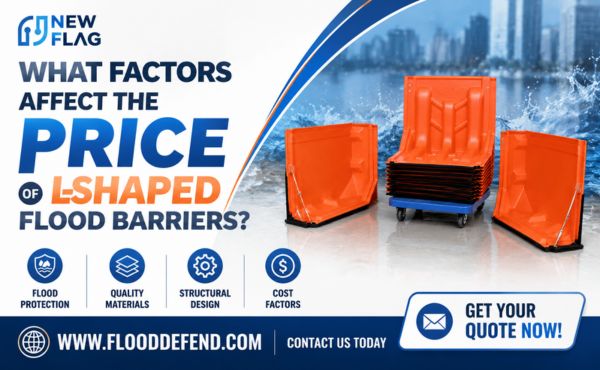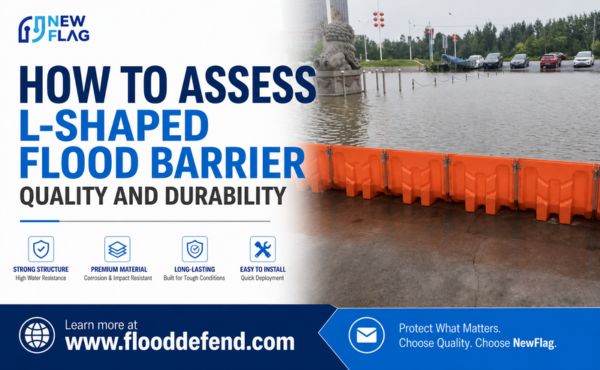
L-shaped flood barriers usually provide stronger flood protection than sandbags, especially in areas facing high risk from floodwaters or storm surges. This type of professional flood barrier offers an effective flood barrier solution with less seepage, better reliability, and the advantage of reusability for both homes and businesses. Sandbags still play a role when sealing small gaps or adding emergency reinforcement remains necessary.
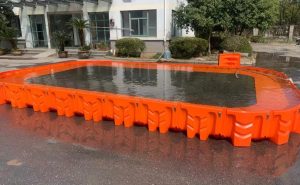
Flood Barrier Effectiveness
Water Resistance
L-Shaped Barrier Performance
L-shaped flood barriers use strong materials like steel or reinforced plastic. These barriers create a solid wall that blocks water from entering protected areas. Most flood barrier designs include seals or gaskets that stop water from leaking through joints.
Sandbags for Flood Protection
Sandbags have been used for flood protection for many years. They absorb water and form a barrier, but water can seep through gaps between the bags. Sandbags often need to be stacked in several layers to slow down water flow.
Seepage and Leak Prevention
Flood barriers provide a tight seal against the ground and walls. This seal reduces seepage and keeps water out during heavy rain or floods. Sandbags do not always fit perfectly together, so small leaks can occur even with careful stacking.
- Flood barriers are part of modern flood protection systems.
- Sandbags may need plastic sheeting to improve their leak prevention.
Area Coverage
Flood barriers can cover large areas quickly. They come in sections that connect together, making it easy to protect long stretches of property. Sandbags require more time and effort to cover the same space.
- Flood protection systems with barriers can shield driveways, doors, and loading docks.
- Sandbags work best for small openings or as extra support for other flood protection methods.
Sandbags vs Flood Barriers: Reliability
Structural Strength
A flood barrier is built to withstand strong water pressure. Its rigid frame and secure anchoring help it stay in place during severe storms. Sandbags, on the other hand, rely on weight and stacking, which can shift or collapse if water levels rise quickly.
Consistency in Flood Events
Sandbags vs flood barriers is a common debate when considering repeated use. Flood barriers provide consistent performance in multiple flood events because they do not lose shape or effectiveness after the first use. Sandbags may break down or become less effective after being soaked, especially if left outside for long periods.
- Flood barriers can be reused many times with little change in reliability.
- Sandbags often need to be replaced after each flood.
Maintenance Needs
Flood barriers require simple maintenance, such as checking seals and cleaning after use. Most models need only basic care to stay effective. Sandbags need more attention, including replacing damaged bags and removing debris.
- Flood barriers save time on repairs and upkeep.
- Sandbags can rot or grow mold if not removed quickly after a flood.
Deployment and Ease of Use
Setup Time
L-Shaped Barrier Setup
A temporary flood barrier can be set up quickly. Most models arrive in pre-made sections that snap or lock together. One or two people can install a barrier along a driveway or doorway in less than an hour.
Sandbag Setup
Sandbags take much longer to prepare and place. Each bag must be filled with sand, carried to the site, and stacked by hand. Protecting a large area may require hundreds of bags and several hours of work.
Labor and Tools
Installing a temporary flood barrier usually needs minimal tools. Most barriers require only basic hand tools or no tools at all. Two people can handle most installations.
Sandbags need more labor. Filling and stacking bags is hard work and often requires a team. Shovels, gloves, and sometimes wheelbarrows are needed to move sand and bags.
Storage and Reuse
A temporary flood barrier is designed for reuse. After use, sections can be cleaned, dried, and stored in a garage or shed. The compact design makes storage simple.
Sandbags are usually single-use. Wet or dirty bags must be thrown away after a flood. Storing unused sandbags takes up a lot of space and can attract pests.
- Temporary flood barriers save space and reduce waste.
- Sandbags create disposal problems after each flood event.
Cost of Flood Protection
Initial Investment
The upfront cost of a flood barrier is usually higher than sandbags. Flood barriers are made from strong materials and often require custom fitting. Sandbags are less expensive to buy, and many people can fill them with local sand.
A customized flood protection solution may include both barriers and sandbags. This approach can help balance cost and coverage for different properties.
Long-Term Value
Flood barriers last for many years. They can be used again and again with little extra cost. Sandbags are single-use and must be replaced after each flood.
- Flood barriers save money over time because they do not need frequent replacement.
- Sandbags create ongoing costs for purchase, labor, and disposal.
A customized flood protection solution can reduce waste and lower long-term expenses. Homeowners and businesses can reuse barriers and only buy sandbags for emergencies.
| Method | Upfront Cost | Reuse | Ongoing Cost |
|---|---|---|---|
| Flood Barrier | High | Yes | Low |
| Sandbags | Low | No | High |
Insurance Impact
Insurance companies look at your flood protection plan when setting rates. A strong flood barrier can lower your risk and may help reduce insurance costs. Sandbags alone may not offer enough protection for high-risk areas.
Some insurers require proof of a customized flood protection solution before offering discounts. They want to see that you have taken steps to prevent damage.
A good flood protection system can help you recover faster after a flood. It can also make your property more attractive to buyers in the future.
Durability and Longevity
Lifespan of Flood Barriers
Flood barriers are built to last for many years. Most barriers use strong materials such as steel, aluminum, or reinforced plastic. These materials resist rust, corrosion, and damage from sunlight.
Many flood barriers can withstand repeated exposure to water without losing strength. Proper cleaning and storage help extend their lifespan. Some barriers remain effective for over a decade with regular maintenance.
Lifespan of Sandbags
Sandbags have a much shorter lifespan than flood barriers. They are usually made from woven polypropylene or burlap. These materials break down quickly when exposed to water, sunlight, or mold.
Wet sandbags often start to rot or tear after just one flood event. They cannot be reused if they become damaged or contaminated. Most people must replace sandbags after every major flood.
- Sandbags are best for short-term or emergency use.
- They are not a long-term solution for repeated flooding.
Wear and Tear
Flood barriers show little wear and tear if used and stored correctly. Scratches or dents may occur, but these rarely affect performance. Seals and gaskets may need replacement after several years.
Sandbags wear out quickly. Water weakens the fabric and causes leaks. Animals and insects can also damage stored sandbags.
| Feature | Flood Barriers | Sandbags |
|---|---|---|
| Lifespan | 10+ years possible | 1 use (often) |
| Maintenance | Low | High |
| Resistance to Mold | High | Low |
Flood barriers offer better durability and lower maintenance. Sandbags provide quick help but need frequent replacement.
Environmental Impact
Materials and Sustainability
L-shaped flood barriers use materials like steel, aluminum, or reinforced plastic. These materials last for many years and resist damage from water and sunlight. Most barriers can be reused many times, which reduces waste.
Sandbags are made from woven polypropylene or burlap. These materials break down quickly when exposed to water, sunlight, or mold. Sandbags often become unusable after one flood event.
Reusable barriers help reduce the demand for new materials. This lowers the environmental impact over time. Sandbags require new production for each use, which increases resource consumption.
Here is a quick comparison:
| Feature | L-Shaped Flood Barriers | Sandbags |
|---|---|---|
| Material Longevity | High | Low |
| Reusability | Yes | No |
| Resource Consumption | Low (over time) | High |
Disposal and Cleanup
Flood barriers are easy to clean after use. Most barriers only need rinsing and drying before storage. This process creates little waste.
Sandbags create more waste after a flood. Wet or damaged sandbags must be collected and thrown away. Sand and bag materials can pollute soil and water if not disposed of properly.
Disposing of sandbags often requires special handling. Some areas treat used sandbags as hazardous waste because they may contain chemicals or bacteria from floodwater. Cleanup crews must wear gloves and masks to avoid health risks.
Reusable barriers reduce the amount of trash after each flood. They also lower the risk of pollution. Sandbags, while useful in emergencies, create more cleanup work and environmental challenges.
Best Flood Protection Product for Different Needs

Residential Use
Homeowners need a solution that is easy to set up and store. L-shaped flood barriers work well for driveways, doors, and garages. These barriers can be reused for many years.
Sandbags help seal small gaps or protect low windows. They are useful for quick fixes during sudden storms. Many people keep a few sandbags on hand for emergencies.
Commercial and Industrial Use
Businesses often have large areas to protect. L-shaped flood barriers cover long stretches of property quickly. These barriers offer strong defense for loading docks, storefronts, and warehouses.
Sandbags may support barriers in high-risk spots. Workers can use sandbags to reinforce corners or doorways. This method adds extra strength where water might seep through.
A table can help compare options:
| Need | L-Shaped Barrier | Sandbags | Combination |
|---|---|---|---|
| Large Area | ✅ | ❌ | ✅ |
| Quick Setup | ✅ | ❌ | ✅ |
| Emergency Gaps | ❌ | ✅ | ✅ |
Emergency and Community Response
Communities must act fast during floods. L-shaped flood barriers protect critical buildings like hospitals and fire stations. These barriers can be set up by small teams.
Sandbags remain important for emergency response. Volunteers can fill and stack sandbags to block water in unexpected places. Sandbags are easy to transport and use in many situations.
Each situation requires a different approach. Homeowners, businesses, and emergency teams should choose the right tools for their needs.
Summary Table: Sandbags vs Flood Barriers
Choosing the right flood protection method depends on your needs. The table below shows how sandbags and L-shaped flood barriers compare in key areas. Review each feature to decide which option fits your situation.
| Feature | L-Shaped Flood Barriers | Sandbags |
|---|---|---|
| Water Resistance | High | Moderate |
| Seepage Prevention | Excellent | Limited |
| Area Coverage | Wide | Small |
| Structural Strength | Strong | Weak |
| Consistency | Reliable | Variable |
| Maintenance | Low | High |
| Setup Time | Fast | Slow |
| Labor Required | Minimal | Intensive |
| Storage | Compact | Bulky |
| Reusability | Yes | No |
| Lifespan | Long | Short |
| Environmental Impact | Low (over time) | High |
| Disposal | Easy | Difficult |
| Cost (Initial) | High | Low |
| Cost (Long-Term) | Low | High |
| Insurance Impact | Positive | Limited |
Key Takeaways
- L-shaped flood barriers resist water and cover large areas. They last for years and need little maintenance.
- Sandbags provide quick help during floods. They are easy to use but must be replaced after each event.
- Flood barriers require a higher upfront investment. Sandbags cost less at first but create ongoing expenses.
When to Use Each Method
- Use L-shaped barriers for long-term protection and large properties.
- Choose sandbags for temporary fixes or when you need extra support.
- Combine both methods for the best results in high-risk areas.
Decision Checklist
- Assess the size of the area you need to protect.
- Consider how often floods occur in your region.
- Think about your budget and storage space.
- Review insurance requirements for your property.
Flood protection works best when you match the solution to your needs. Both sandbags and barriers have strengths. The summary table helps you compare options and make an informed choice.
Conclusion
L-shaped flood barriers usually offer stronger flood protection than sandbags. Sandbags still help in emergencies or for sealing small gaps. Homeowners, businesses, and emergency planners should match their choice to the level of risk, budget, and property type. Review local guidelines and prepare a plan before the next flood. For more tips, check community resources on flood safety.