Japan’s flood prevention methods are renowned for their effectiveness in safeguarding communities against natural disasters. By integrating advanced technology, infrastructure, and meticulous planning, Japan has successfully reduced flood damage, protecting both lives and property. This article explores the key strategies that make Japan’s flood prevention techniques a global model, offering valuable insights into disaster management and resilience.
Japan’s Flood Prevention Systems
G-Cans Project
Japan’s Flood Prevention relies on the G-Cans Project, a massive underground facility near Tokyo. This system collects and stores excess rainwater during storms. It uses giant tunnels and chambers to move water away from crowded city areas.
Engineers designed the G-Cans Project for high rainfall and dense populations. The facility includes five large silos and a main water tank. Pumps send water safely into rivers when levels drop.
River Embankments
River embankments play a key role in Japan’s Flood Prevention. These barriers line rivers and help control water flow during heavy rain. They prevent rivers from overflowing into neighborhoods and business districts.
Many embankments use reinforced concrete and advanced materials. Some have grassy slopes that absorb water and reduce erosion. Engineers build embankments higher and stronger in areas with frequent storms.
Urban Underground Infrastructure
Cities in Japan use underground flood infrastructure to manage water. Large drainage pipes and tunnels run beneath streets and buildings. These systems collect rainwater and channel it away from homes and businesses.
Urban underground infrastructure is designed for high rainfall and urban density. It works together with surface drains and pumps. This network keeps city streets dry and reduces flood risk.
- Underground systems help protect transportation and utilities.
- They support daily life and keep cities safe during storms.
Japan’s Flood Prevention systems combine advanced engineering and smart planning. These solutions handle heavy rain and protect people living in crowded cities.
Temporary and Flexible Flood Barriers
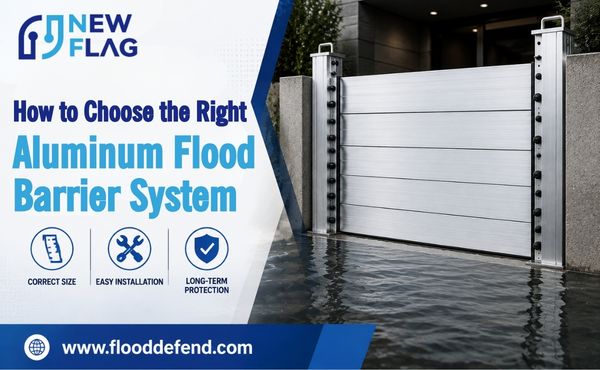
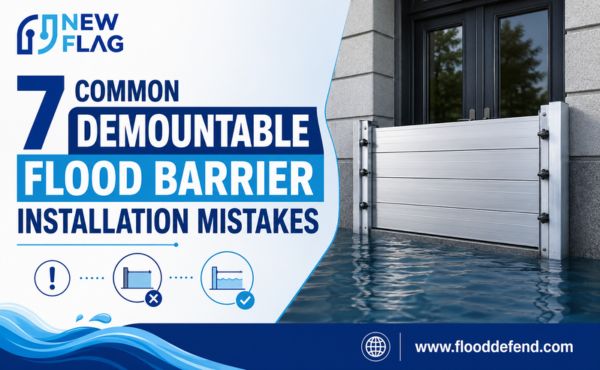
Demountable flood barriers offer flexible, temporary protection in urban areas. These barriers can be quickly installed before storms and removed afterward, making them suitable for dense cities where permanent structures are not practical.
They are typically made from lightweight yet durable materials such as aluminum or reinforced composites. With watertight seals and interlocking panels, they effectively block floodwater. In Japan, these barriers are used to protect entrances, streets, and underground facilities, working alongside permanent systems to enhance overall flood resilience.
Engineering and Design Strengths
Structural Capacity
Japan builds flood prevention structures to handle extreme weather. Engineers calculate the maximum amount of water that rivers and drains can carry. They design levees, dams, and tunnels to withstand heavy rainfall and sudden surges.
Engineers use computer models to predict how much water will flow during storms. They adjust the size and shape of structures to match these predictions. This careful planning helps prevent overflow and damage.
Advanced Materials
Modern flood prevention uses strong and durable materials. Concrete with special additives resists water and erosion. Steel reinforcements add extra strength to embankments and floodgates.
- Some barriers use flexible materials that bend without breaking.
- Engineers select materials that last for many years, even in harsh conditions.
A table below shows common materials and their benefits:
| Material | Benefit |
|---|---|
| Reinforced Concrete | High strength, long life |
| Special Steel | Flexibility, durability |
| Water-resistant Coatings | Prevents leaks |
These materials help structures stay safe and effective during floods.
Earthquake Resistance
Japan faces both floods and earthquakes. Flood prevention systems must work even after strong shaking. Engineers design structures to stay stable during earthquakes.
Seismic Standards
All major flood barriers follow strict seismic standards. These rules set the minimum strength and flexibility needed for safety. Engineers test models to see how they react to shaking.
Fail-Safe Features
Flood prevention systems include fail-safe features. If one part fails, another part takes over. For example, backup pumps start if the main pump stops.
- Automatic gates close if sensors detect rising water.
- Emergency power keeps systems running during blackouts.
Japan’s Flood Prevention combines strong design, advanced materials, and earthquake resistance. These strengths make the systems reliable in many types of disasters.
Government and Community Coordination
National and Local Roles
National agencies set standards for flood management. Local governments carry out these plans and maintain flood systems. Both levels share information and resources during emergencies.
National teams monitor weather and issue warnings. Local teams organize evacuation routes and shelter locations. This partnership helps protect people and property.
Private Sector Involvement
The private sector supports flood prevention with technology and expertise. Construction companies build embankments and underground tunnels. Engineering firms design drainage systems and improve materials.
- Utility companies help restore power and water after floods.
- Technology firms develop sensors and monitoring tools.
Private businesses work with government to test new solutions. They share data and help train staff for emergency situations.
Community Engagement
Communities play an active role in Japan’s Flood Prevention. Residents join disaster drills and learn how to respond during floods. Schools teach students about safety and evacuation procedures.
Neighborhood groups check flood barriers and report problems. Volunteers help distribute supplies and support recovery efforts. Community engagement builds trust and keeps people prepared.
A table below shows how each group contributes:
| Group | Main Contribution |
|---|---|
| National Govt | Policy, standards, alerts |
| Local Govt | Maintenance, evacuation |
| Private Sector | Technology, construction |
| Community | Awareness, drills, support |
Collaboration among government, private sector, and communities strengthens flood management. Disaster drills, public awareness, and policy integration make the system effective and reliable.
Technology and Innovation
Smart Drainage Systems
Smart drainage systems help cities manage water during storms. Sensors monitor water levels in real time and send alerts when drains fill quickly. Engineers use this data to adjust pumps and open extra channels.
Some systems use automatic controls to direct water away from busy streets. This technology keeps roads clear and protects homes. City workers can check system status from a central control room.
Flood Prediction Tools
Flood prediction tools use weather data and computer models to forecast heavy rain. These tools help officials plan for storms and warn people early. Meteorologists track rainfall patterns and river levels.
A table below shows how prediction tools work:
| Tool Type | Main Function |
|---|---|
| Rainfall Sensors | Measure precipitation |
| River Gauges | Track water levels |
| Computer Models | Predict flood risk |
Flood prediction tools give communities time to prepare. Early warnings help people move to safe areas and protect their belongings. Japan’s Flood Prevention uses these tools to improve safety and reduce damage.
Automated Water Gates
Automated water gates control the flow of rivers and canals. Sensors detect rising water and trigger gates to open or close. This prevents overflow and directs water to safe locations.
Engineers design gates to operate during storms and earthquakes. Backup systems keep gates working if power fails. These gates protect neighborhoods and keep critical infrastructure safe.
Automated water gates form part of a larger flood management network. They work with embankments and drainage systems to keep cities dry. Technology and innovation make these gates reliable and efficient.
Technology and Innovation Summary
Japan uses advanced technology to manage floods. Smart drainage systems, prediction tools, and automated gates work together. These innovations help cities stay safe during extreme weather.
Adapting to Urbanization and Climate Change
Flexible Infrastructure
Japan builds flexible infrastructure to handle changing weather and city growth. Engineers design flood barriers and drainage systems that can expand or upgrade as needed. This approach allows cities to respond quickly to new risks.
Some flood walls use movable sections. Workers can raise these sections during storms and lower them when the weather is calm. This design saves space and keeps cities looking attractive.
Integrated Urban Planning
Urban planning in Japan includes flood prevention from the start. City planners work with engineers to map out safe zones and build roads that double as emergency water channels. They place parks and open spaces in areas that can safely hold extra water.
A table below shows how urban planning supports flood safety:
| Urban Feature | Flood Prevention Role |
|---|---|
| Parks | Temporary water storage |
| Wide Streets | Emergency water pathways |
| Green Spaces | Absorb rainwater |
Planners also set building rules for new developments. These rules require higher ground floors and water-resistant materials. Integrated planning helps reduce damage and keeps people safe.
Natural and Soft Measures
Japan uses natural and soft measures to support hard infrastructure. Planting trees along rivers helps slow down water flow. Wetlands and ponds store extra rainwater and reduce pressure on drains.
- Grassy embankments absorb water and prevent erosion.
- Restored riverbanks create habitats for wildlife and improve water quality.
Communities help maintain these green areas. People plant trees and clean up riverbanks. These efforts protect both nature and neighborhoods from floods.
Effectiveness of Japan’s Flood Prevention
Damage Reduction
Japan’s Flood Prevention systems have greatly reduced damage from storms and heavy rain. Cities that once faced regular flooding now stay dry during most storms. Underground tunnels and embankments move water away from homes and businesses.
Flood prediction tools help limit property loss. Automated gates and smart drainage systems keep roads open and protect important buildings. These efforts save money and reduce the number of people affected by floods.
A table below shows the impact of these methods:
| Area | Before Prevention | After Prevention |
|---|---|---|
| Urban Floods | Frequent | Rare |
| Property Loss | High | Low |
| Evacuations | Many | Few |
Urban Resilience
Cities in Japan have become more resilient because of strong flood prevention. Infrastructure stays safe even during extreme weather. Schools, hospitals, and transportation systems keep working after storms.
Flexible designs allow quick repairs if damage occurs. Communities recover faster because they practice drills and know what to do. People trust the systems and feel safer in their neighborhoods.
- Parks and green spaces help absorb water.
- Underground networks protect power and communication lines.
Lessons for the World
Other countries can learn from Japan’s flood prevention strategies, and our solutions are designed to support these best practices. Building flexible and strong infrastructure, such as demountable flood barriers and smart drainage systems, helps cities everywhere manage extreme weather safely.
Using technology like sensors, automated gates, and flood prediction tools improves monitoring and early warnings. Communities also play a key role—our training programs and emergency support services help residents participate in drills and respond effectively during floods.
A checklist of how our products align with effective flood prevention:
- Build strong barriers and drainage systems: Our demountable barriers and reinforced embankments protect streets, homes, and underground facilities.
- Use real-time monitoring and early warnings: Smart sensors and automated water gates provide immediate alerts and operational control.
- Plan cities with flood safety in mind: Our solutions integrate with urban planning, enabling flexible deployment and scalable protection.
- Involve communities in drills and education: Training programs and support tools empower residents to respond safely.
By combining advanced engineering, technology, and community engagement, our products help cities boost resilience and adapt to changing weather—mirroring the success of Japan’s flood prevention systems.