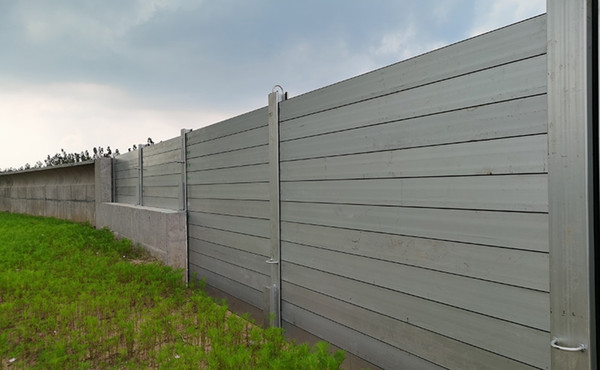
Flooding can cause severe damage to residential properties, commercial buildings, and industrial facilities within a short period of time. Choosing the right flood protection system is essential for reducing water damage and improving emergency response.
Compared with traditional solutions such as sandbags and temporary barriers, aluminum flood barriers provide a more reliable, reusable, and efficient approach to flood protection. Their lightweight structure, corrosion resistance, high strength, and modular design make them suitable for protecting doors, garages, entrances, and other vulnerable openings.
This article explains the key advantages of aluminum flood barriers and why they are becoming a preferred solution for modern flood protection systems.
1. Lightweight Design Enables Fast and Easy Installation
One of the biggest advantages of aluminum flood barriers is their lightweight construction. Aluminum provides an excellent balance between strength and weight, allowing barrier components to be handled and installed more easily compared with heavier materials.
During flood emergencies, time is critical. Traditional flood protection methods often require large amounts of labor, such as filling and stacking hundreds of sandbags. In contrast, modular aluminum flood barriers can be installed quickly with fewer people and minimal equipment.
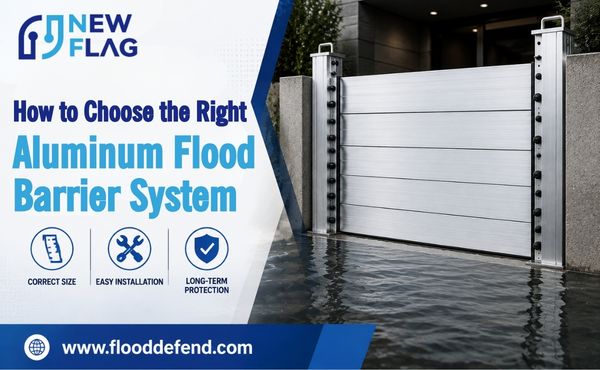
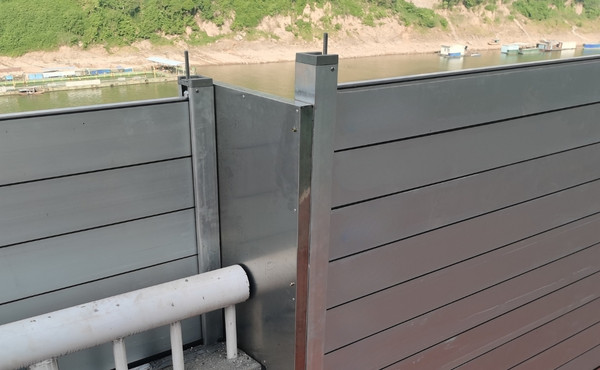
Most systems use aluminum panels that slide into pre-installed side channels. Once the panels are positioned and sealed, the barrier creates a protective wall across the opening.
Typical installation areas include:
- Residential doors and entrances
- Garage openings
- Commercial building entrances
- Warehouse access points
- Industrial facilities
The lightweight design allows property owners and facility managers to prepare for rising water quickly without relying on heavy machinery or large installation teams.
2. Excellent Corrosion Resistance for Long-Term Outdoor Use
Flood protection systems are often exposed to harsh environments, including rainwater, groundwater, humidity, and coastal saltwater. Material durability is therefore a critical factor when selecting a flood barrier.
Aluminum naturally forms a protective oxide layer on its surface, which helps improve resistance against corrosion. Unlike steel materials that may require additional coatings or regular maintenance to prevent rust, aluminum maintains strong corrosion resistance with minimal upkeep.
This makes aluminum flood barriers especially suitable for:
- Coastal areas with salt exposure
- Properties near rivers and lakes
- Outdoor commercial applications
- Long-term permanent installations
With proper maintenance, aluminum panels can maintain their appearance and structural performance for many years, making them a practical investment for repeated flood protection.
3. High Structural Strength Against Floodwater Pressure
Floodwater creates continuous pressure against protective barriers. As water levels rise, the force applied to the barrier increases, creating significant stress on the structure.
High-quality aluminum flood barriers are designed with reinforced profiles and strong connection systems to withstand these forces.
Modern aluminum extrusion technology allows manufacturers to create panels with optimized internal structures. These reinforced designs improve rigidity while keeping the overall weight low.
Key structural advantages include:
- Strong resistance against bending and deformation
- Stable performance under continuous water pressure
- Reliable sealing between panels
- Durable performance during severe weather conditions
A properly engineered aluminum flood barrier helps maintain a secure protective barrier when flood conditions become more challenging.
4. Modular Design Fits Different Building Applications
Every property has different flood protection requirements. A residential doorway requires a different solution compared with a large commercial entrance or industrial opening.
Aluminum flood barriers use modular designs that allow systems to be customized according to specific applications.
Manufacturers can adjust:
- Barrier height
- Opening width
- Number of aluminum panels
- Side channel configuration
- Installation method
This flexibility makes aluminum flood barriers suitable for many locations, including:
Residential Applications
- Front doors
- Garage entrances
- Basement access points
- Patio openings
Commercial Applications
- Shopping centers
- Office buildings
- Storage facilities
- Retail entrances
Industrial Applications
- Warehouses
- Manufacturing plants
- Equipment rooms
A customized flood barrier provides better protection because it is designed specifically for the building’s vulnerable areas.
5. Aluminum Flood Barriers vs Traditional Flood Protection Methods
Many property owners still rely on temporary flood protection methods such as sandbags. While sandbags can provide basic protection, they also have several limitations.
| Feature | Aluminum Flood Barriers | Sandbags |
|---|---|---|
| Installation | Quick modular installation | Requires significant manual labor |
| Reusability | Designed for repeated use | Usually single-use |
| Storage | Compact and organized storage | Requires large storage space |
| Maintenance | Low maintenance requirements | Frequent replacement needed |
| Appearance | Clean architectural appearance | Temporary and unattractive |
| Labor Requirements | Fewer workers needed | Multiple workers often required |
For properties that face recurring flood risks, reusable aluminum flood barriers provide a more efficient long-term solution compared with temporary flood defenses.
6. Reusable Design Provides Long-Term Value
Flood protection is not only about preventing immediate damage; it is also about reducing long-term costs.
Disposable solutions such as sandbags often need to be purchased repeatedly before each major flood event. After exposure to contaminated floodwater, they may require disposal, creating additional labor and waste.
Aluminum flood barriers are designed for repeated deployment. After floodwaters recede, the panels can be removed, cleaned, stored, and reused for future emergencies.
Benefits of reusable aluminum systems include:
- Lower replacement costs over time
- Reduced maintenance requirements
- Less waste compared with disposable barriers
- Long service life with proper care
For homeowners, businesses, and facility managers, investing in permanent flood protection can provide better value over the entire lifespan of the system.
7. Protection Against Storm Waves and Floating Debris
Flood events often involve more than rising water levels. Severe storms can create strong currents, waves, and floating debris that place additional stress on flood protection systems.
Aluminum flood barriers provide a rigid protective structure that helps resist impact from common flood hazards, including:
- Floating wood pieces
- Construction materials
- Loose outdoor objects
- Storm-driven debris
The combination of strong aluminum profiles and secure anchoring systems helps maintain barrier stability during challenging weather conditions.
8. Choosing the Right Aluminum Flood Barrier System
Choosing the right aluminum flood barrier solutions depends on several factors. A properly designed system should match the property layout, expected flood conditions, and installation requirements.
Important considerations include:
Required Flood Height
The barrier height should be selected according to the expected water level in the protected area.
Opening Dimensions
Accurate measurements of doors, gates, and entrances are essential to ensure proper sealing and performance.
Installation Location
Different applications may require different mounting solutions depending on whether the barrier is installed on:
- Concrete walls
- Brick surfaces
- Metal frames
- Existing building structures
Residential or Commercial Requirements
Residential properties may prioritize easy installation and appearance, while commercial facilities may require larger barriers with higher load capacity.
Working with an experienced aluminum flood barrier manufacturer helps ensure the system is properly designed for the intended application.
Frequently Asked Questions
Are aluminum flood barriers better than sandbags?
Yes, for many permanent flood protection applications, aluminum flood barriers provide advantages such as faster installation, reusability, easier storage, and lower long-term maintenance compared with sandbags.
How long do aluminum flood barriers last?
The service life of aluminum flood barriers depends on material quality, installation conditions, and maintenance. High-quality aluminum systems can provide many years of reliable flood protection when properly maintained.
Can aluminum flood barriers be customized?
Yes. Aluminum flood barriers can be manufactured according to different opening sizes, flood heights, and installation requirements for residential, commercial, and industrial applications.
Are aluminum flood barriers suitable for coastal areas?
Yes. Aluminum offers excellent corrosion resistance and performs well in environments exposed to moisture and salt air, making it suitable for many coastal flood protection applications.
Do aluminum flood barriers require regular maintenance?
Maintenance requirements are generally low. Regular cleaning and inspection of seals and connection components help maintain reliable performance over time.
Conclusion
Aluminum flood barriers provide a reliable and efficient alternative to traditional temporary flood protection methods. Their lightweight design allows faster installation, while their corrosion resistance and structural strength support long-term outdoor performance.
With modular configurations, customizable dimensions, and reusable components, aluminum flood barriers are suitable for protecting residential properties, commercial buildings, and industrial facilities from rising floodwater.
For property owners looking for a durable and practical flood protection solution, aluminum flood barriers offer a combination of strength, flexibility, and long-term value.