Demountable flood barriers offer a practical solution for flood protection in areas with changing risks. These barriers use removable components to block water and help protect properties during flood events. Understanding the strengths and weaknesses of this approach helps property owners choose the best option for their needs.
What Are Demountable Flood Barriers
Key Features
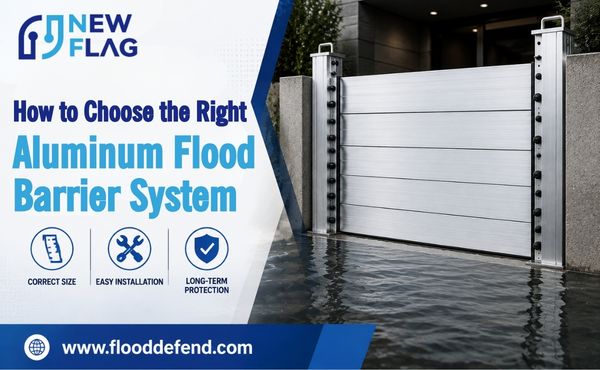
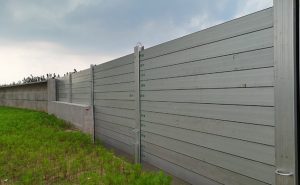
Demountable flood barriers use modular panels and posts. These panels fit together to form a strong wall against water. The system allows quick assembly and removal.
Most barriers use lightweight materials like aluminum or steel. The design makes them easy to transport and store. Some systems include rubber seals to prevent leaks.
How They Work
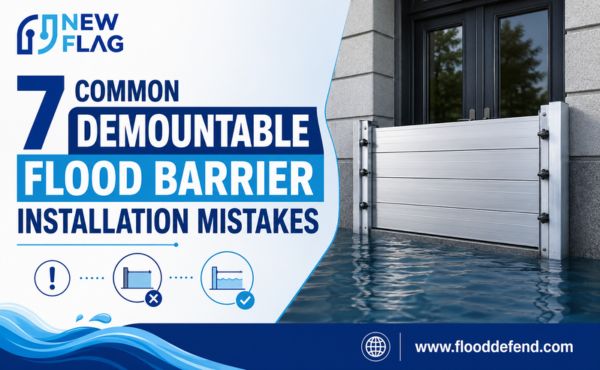
Demountable flood barriers protect buildings and streets from rising water. Workers install the panels in advance of a flood event. The panels connect to fixed supports or anchor points.
During a flood, the barriers block water from entering vulnerable areas. After the danger passes, the panels are removed and stored for future use. This process helps reduce damage and cleanup costs.
| Step | Action |
|---|---|
| Preparation | Panels and posts are readied |
| Installation | Barriers are assembled |
| Protection | Water is blocked |
| Removal | Panels are taken down |
Common Uses
Demountable flood barriers serve many locations. Cities use them to protect streets and public spaces. Homeowners install them to shield doors and garages.
Commercial properties rely on these barriers for flood protection. Museums and historic sites often use them to preserve valuable assets. Temporary events, such as festivals, may also benefit from this solution.
- Urban areas with seasonal flood risks
- Residential neighborhoods near rivers or lakes
- Businesses in flood-prone zones
Demountable flood barriers offer flexibility for changing conditions. They help communities respond quickly to flood threats. Their role in flood protection continues to grow as weather patterns change.
Advantages of Demountable Flood Barriers
Easy Installation and Removal
Quick Deployment
Demountable flood barriers allow for rapid deployment before a flood event. Workers can assemble panels and posts in a short time. This quick and easy deployment helps communities respond to sudden flood threats.
Minimal Landscape Impact
These barriers do not require permanent changes to the landscape. After a flood, crews remove the panels and restore the area. The system leaves no lasting marks or structures.
Cost-Effectiveness
Lower Upfront Costs
Demountable flood barriers cost less than permanent solutions. The average price ranges from $50 to $150 per square foot. Property owners can invest in flood protection without major construction expenses.
Reusability
The panels and posts offer reusability for multiple flood events. Owners can store the system and use it again when needed. This feature lowers long-term costs and supports sustainable flood protection.
Flexibility and Adaptability
Custom Fit for Sites
Demountable flood barriers adapt to different property shapes and sizes. Panels can be arranged to fit doorways, garages, or streets. This flexibility ensures effective flood protection for unique locations.
- Protects homes with varied layouts
- Shields commercial sites with complex entrances
- Covers public spaces with changing needs
Storage for Future Use
After a flood, owners can store the panels until the next event. The system takes up minimal space and remains ready for future response. This adaptability supports ongoing flood protection efforts.
Environmental Benefits
Reduced Construction Impact
Demountable flood barriers help protect the environment by reducing the need for heavy construction. Permanent walls often require digging, concrete, and large machines. These activities can harm soil, plants, and local wildlife.
With demountable systems, workers only install supports and panels when a flood is expected. Most of the time, the area stays open and natural. This approach keeps parks, riverbanks, and city streets looking clean and green.
Reusable Materials
Many demountable flood barriers use materials like aluminum or steel. These materials last for many years and can be used again and again. This reusability helps reduce waste after each flood event.
When a flood ends, crews remove the panels and store them for future use. Owners do not need to buy new barriers every year. This process saves resources and supports a cleaner environment.
Key benefits of reusable materials:
- Less waste in landfills after floods
- Fewer raw materials needed for new barriers
- Lower carbon footprint for each flood event
Demountable barriers offer strong flood protection while supporting the environment. Their design helps communities prepare for floods without harming nature.

Disadvantages of Demountable Flood Barriers
Manual Installation Needs
Requires Personnel
Demountable flood barriers need trained workers for setup. Teams must assemble panels and posts before a flood arrives. This requirement can limit response speed in emergencies.
Early Warning Needed
These barriers depend on early warning systems. Property owners must monitor weather forecasts and flood alerts. Without enough notice, there may not be time to install the panels.
Maintenance and Storage
Regular Upkeep
Demountable flood barriers require regular maintenance. Owners must inspect panels for damage after each use. Cleaning and repairs help keep the system ready for the next flood.
| Maintenance Task | Frequency |
|---|---|
| Panel inspection | After each flood |
| Cleaning | After removal |
| Repairs | As needed |
Secure Storage Space
Proper storage is essential for demountable flood barriers. Owners need a safe and dry place to keep panels and posts. Limited storage space can make it difficult to protect all parts of the system.
Operational Delays
Risk of Human Error
Manual installation increases the risk of mistakes. Workers may assemble panels incorrectly or miss important steps. Errors can reduce the effectiveness of flood protection.
Time Constraints
Flood events often happen quickly. There may be limited time to install demountable flood barriers. Delays can leave properties exposed to water damage.
- Severe floods may overwhelm the system if installation is not completed in time.
- Operational challenges can affect the reliability of the barrier during emergencies.
Demountable flood barriers offer flexibility, but they also present challenges. Manual setup, maintenance needs, and operational delays can limit their effectiveness in severe flood situations. Property owners must weigh these disadvantages when planning for flood protection.
Comparison With Other Flood Protection Options
Permanent Flood Barriers
Strengths and Weaknesses
Permanent flood barriers stay in place year-round. These barriers use concrete, steel, or reinforced materials. They offer strong protection against high water levels.
| Feature | Permanent Barriers | Demountable Barriers |
|---|---|---|
| Installation | Fixed | Removable |
| Cost | High | Moderate |
| Maintenance | Low | Regular |
| Landscape Impact | Significant | Minimal |
| Adaptability | Low | High |
Permanent barriers require major construction. They change the landscape and may block views. These barriers work well for areas with frequent flood risks. They do not allow for easy changes or removal.
Portable Flood Barriers
Use Cases
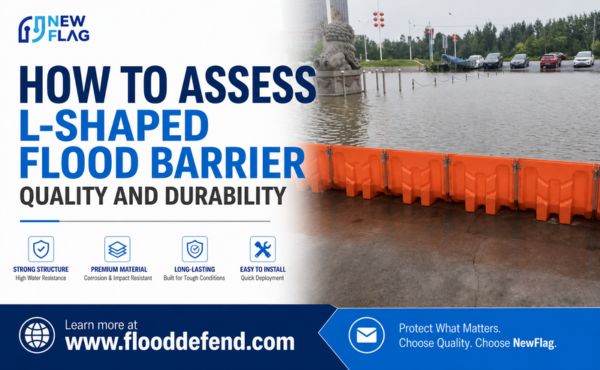
Portable flood barriers offer quick response to changing flood conditions. These barriers include inflatable tubes, water-filled dams, and modular panels. Workers can move and set up portable barriers where needed.
Portable flood barriers suit temporary events and emergency situations. They protect roads, entrances, and open spaces. Many cities use portable barriers for seasonal floods.
- Portable barriers adapt to different locations.
- They require less storage space than demountable systems.
- Setup is fast, but some types need special equipment.
Portable flood barriers help communities respond to sudden floods. They work best for short-term protection and areas with unpredictable risks.
Sandbags and Traditional Methods
Cost and Labor
Sandbags remain a common flood defense. They cost less than other options and use simple materials. Volunteers or workers fill and stack sandbags to block water.
| Method | Cost | Labor | Effectiveness |
|---|---|---|---|
| Sandbags | Low | High | Moderate |
| Portable Barriers | Moderate | Moderate | High |
| Demountable | Moderate | Moderate | High |
Traditional methods require much manual labor. Sandbags can be heavy and slow to deploy. They offer basic protection but may not hold back large floods.
Each flood protection option has strengths and weaknesses. Permanent barriers provide strong defense but lack adaptability. Portable flood barriers offer flexible response and quick setup. Sandbags and traditional methods cost less but demand more labor and provide limited protection.
Choosing the Right Flood Protection
Site Needs
Every property has unique features that affect flood protection. Owners should examine the layout of their land and buildings. Look for low areas where water can collect. Check the size and shape of entrances, windows, and garages. Identify which spaces need the most protection during a flood.
A simple checklist helps organize site needs:
- List all entry points that water could reach.
- Measure the height of doors and windows.
- Note any slopes or dips in the landscape.
- Record areas with past water damage.
Choosing the right barrier depends on these details. Some sites need custom panels, while others use standard sizes. Proper planning ensures the best response to flood threats.
Budget Considerations
Flood protection comes with costs. Owners must balance price and performance. Demountable barriers often cost less than permanent walls. Consider both upfront expenses and long-term savings.
A comparison table can help:
| Protection Type | Upfront Cost | Maintenance | Lifespan |
|---|---|---|---|
| Demountable Barriers | Moderate | Regular | Long-term |
| Permanent Barriers | High | Low | Decades |
| Sandbags | Low | High | Single use |
Think about storage costs and maintenance. Some systems need space for panels and posts. Others require frequent repairs. Owners should plan for these ongoing expenses.
Budget decisions affect the level of protection. Choose a system that fits your financial limits but still guards against flood damage.
Flood Risk Assessment
Understanding flood risks is key to making smart choices. Check local maps and reports for flood zones. Learn about past flood events in your area. Ask neighbors about their experiences.
A basic risk assessment includes:
- Reviewing historical flood data.
- Checking weather patterns and forecasts.
- Identifying nearby rivers, lakes, or drainage systems.
Some areas face frequent floods, while others see rare events. High-risk zones may need stronger barriers and faster response plans. Low-risk sites might use simpler solutions.
Assessing risks helps owners match protection to their needs. It guides decisions about barrier types, installation timing, and emergency plans.
Regulatory Factors
Regulatory factors play a major role in selecting flood protection systems. Local, state, and federal agencies set rules for barrier installation. These rules help protect communities and ensure safety.
Property owners must check zoning laws before installing barriers. Some areas restrict the height or placement of flood barriers. Permits may be required for certain types of installations.
Building codes often include standards for flood protection. These codes specify materials, design, and installation methods. Meeting these standards helps prevent structural damage during a flood.
Environmental regulations protect natural habitats and water quality. Agencies may limit construction near rivers, lakes, or wetlands. Owners must follow guidelines to avoid harming local ecosystems.
Historic districts have special rules for barrier placement. Preservation boards may require approval before changes. Owners must balance flood protection with maintaining historic features.
Insurance companies may set requirements for flood barriers. Meeting these requirements can lower insurance costs. Some policies only cover properties with approved protection systems.
A table can help organize regulatory factors:
| Regulatory Factor | Impact on Flood Protection |
|---|---|
| Zoning Laws | Limits placement and height |
| Building Codes | Sets material and design standards |
| Environmental Rules | Protects habitats and water |
| Historic Districts | Requires special approval |
| Insurance Policies | May affect coverage and costs |
Consulting local officials is important. They provide information about permits and regulations. Owners should ask questions and gather documents before starting a project.
Regulatory factors affect the choice and installation of flood barriers. Following rules ensures legal compliance and protects property. Owners who understand these factors can plan a better response to flood risks.
Real-World Applications
Urban Areas
Cities often face challenges from rising water. Demountable flood barriers help protect streets, subway entrances, and public spaces. Workers can install panels quickly when a flood warning is issued.
Many urban areas use these barriers to keep traffic moving and prevent damage to infrastructure. The panels fit around buildings and sidewalks without blocking daily activities. After the flood event, crews remove the barriers and restore the area.
Residential Properties
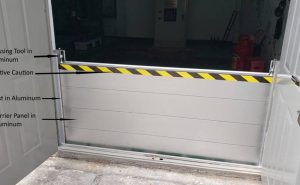
Homeowners use demountable flood barriers to protect their houses and garages. The panels can cover doorways, windows, and driveways. This approach helps prevent water from entering living spaces.
Families store the panels in sheds or garages. When a flood alert arrives, they assemble the system to shield their property. The barriers offer peace of mind for people living near rivers or lakes.
- Protects entry points like doors and windows
- Shields basements and garages from water
- Easy to store and reuse for future events
Demountable barriers give residents a flexible solution for changing flood risks.
Commercial Sites
Businesses rely on demountable flood barriers to safeguard assets and maintain operations. Stores, warehouses, and offices use panels to block water from entrances and loading docks. The system helps reduce downtime and repair costs.
Commercial sites often have larger areas to protect. Workers can customize the barrier layout to fit unique building shapes. After the flood, staff remove and store the panels for future use.
| Site Type | Barrier Use | Benefit |
|---|---|---|
| Retail Stores | Entrances, windows | Protects inventory |
| Warehouses | Loading docks | Prevents equipment loss |
| Offices | Main doors | Reduces repair costs |
Demountable flood barriers support urban, residential, and commercial needs. Their adaptability makes them a valuable tool for communities facing flood threats.
Conclusion
Demountable flood barriers provide a flexible and cost-effective solution for protecting urban, residential, and commercial properties from rising water. Their quick deployment, reusability, and minimal landscape impact make them ideal for areas with changing flood risks. While requiring proper maintenance and early installation, these barriers offer adaptable, sustainable protection that balances practicality with environmental considerations. For communities seeking reliable flood defense, demountable flood barriers remain a strategic and effective choice.